


The 45th Online Talk Live: “Present to the Future”
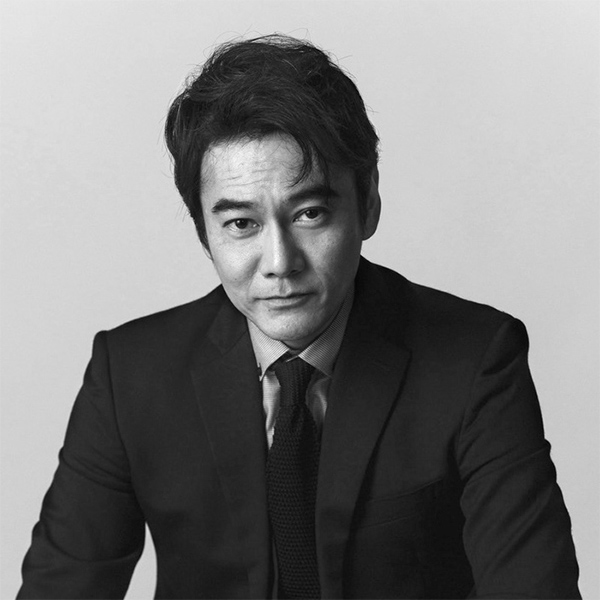
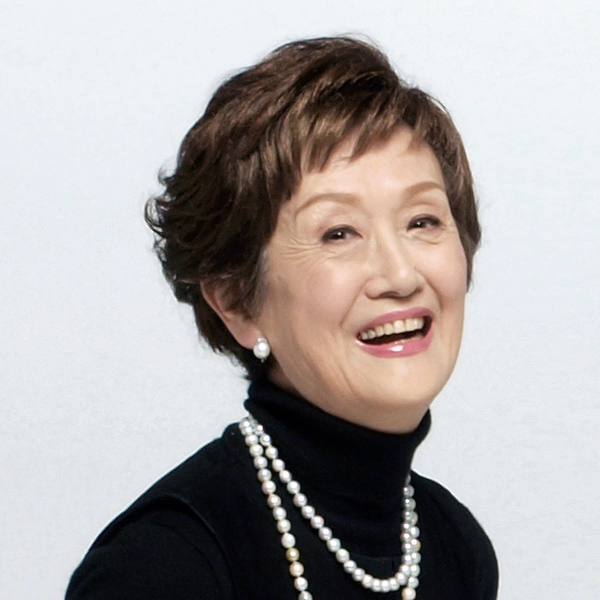
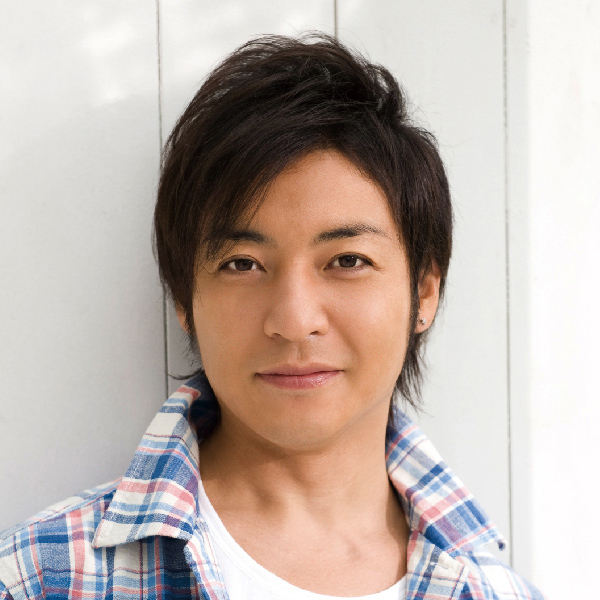
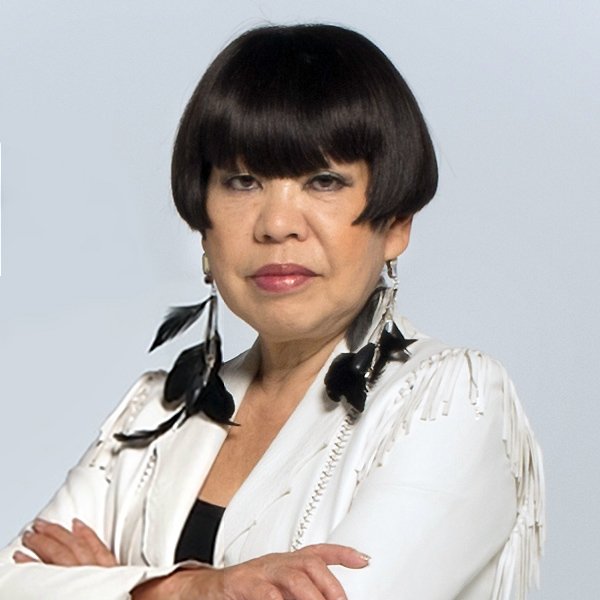
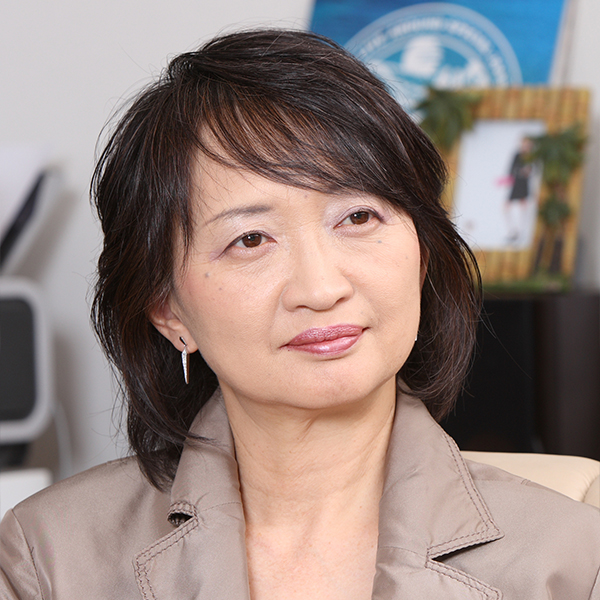
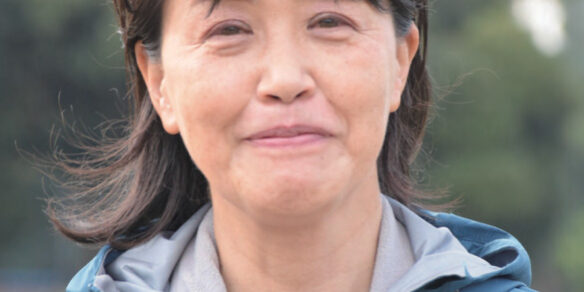
Guest: Yumiko Minegishi (Representative Director, Yushin General Incorporated Association)
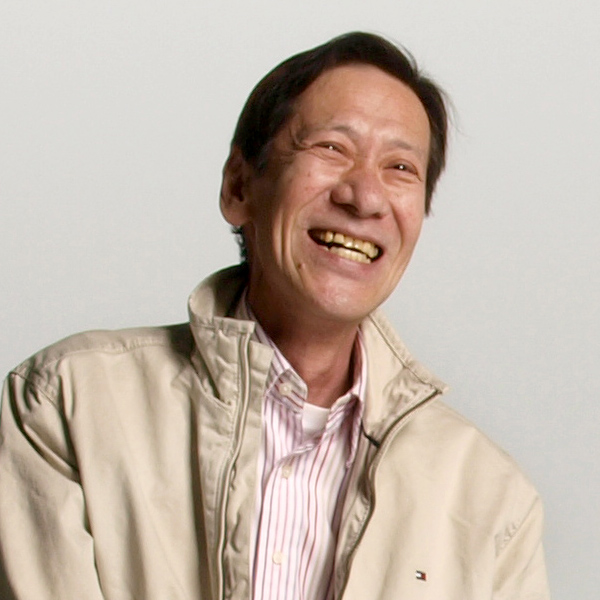
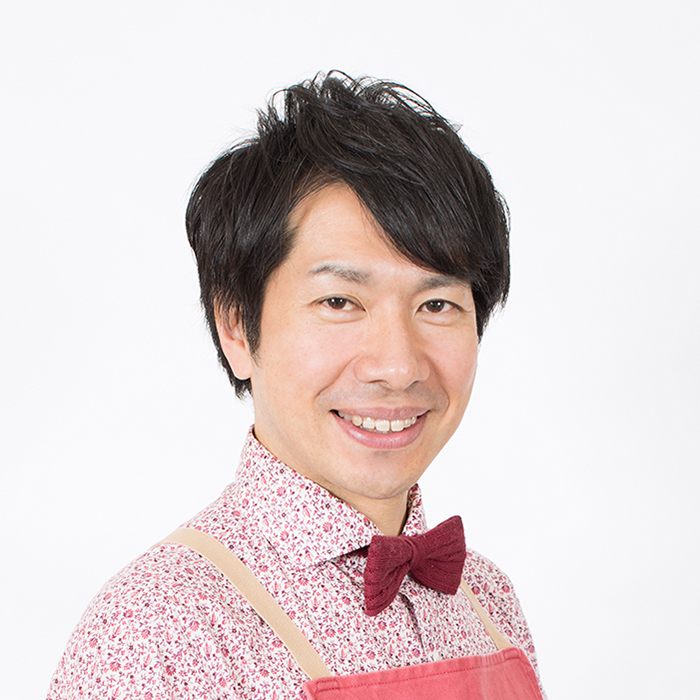
Host: Satoru Seki (editor, producer)
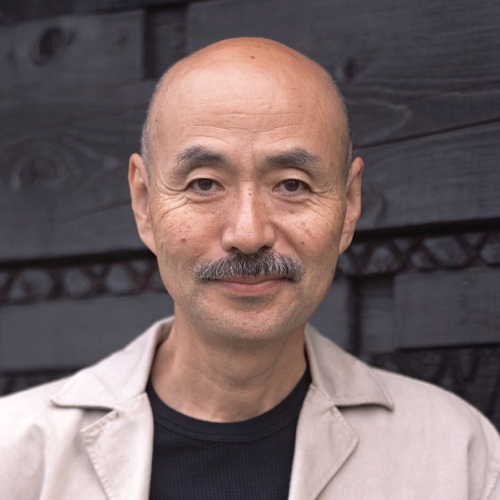
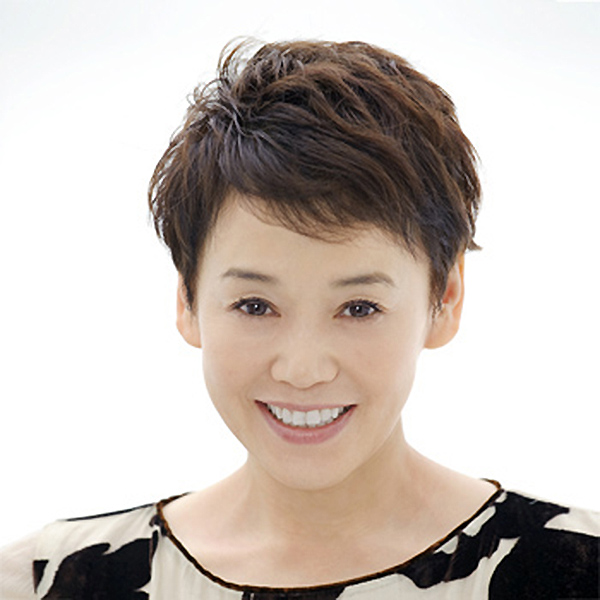
Hosts: Bruce Osborn (photographer), Yoshiko Inoue (Oyako Day Promotion Committee)
Organized by: Oyako Day Promotion Committee
Streaming date and time: Sunday, April 26, 2026, from 3:00 p.m. (live stream)
For the 45th Oyako Day Online Talk Live, we welcome Yumiko Minegishi, who for 35 years has been involved in nature-experience activities, operating and leading nature schools, and training instructors. Through her original “Yushin Method,” she promotes activities that connect local nature, people, and culture. What hints for the future can be found in Minegishi’s connection with Oyako Day? This article introduces highlights from the video.
(Watch the video here)
Featuring:
Yumiko Minegishi (Representative Director, Yushin General Incorporated Association)
For 35 years, she has been involved in nature-experience activities, running nature schools, and training instructors. She developed her own “Yushin Method,” which she has expanded into corporate training as well as early-childhood and family education. After establishing the organization in 2010, she began offering hands-on programs for parents and children in urban areas that engage all five senses; in 2024, about 1,500 people participated over the year. She also works on inquiry-based learning using zoos and museums. Since 2021, she has led the Kanda Ai no Kai, dedicating herself to passing on local culture.
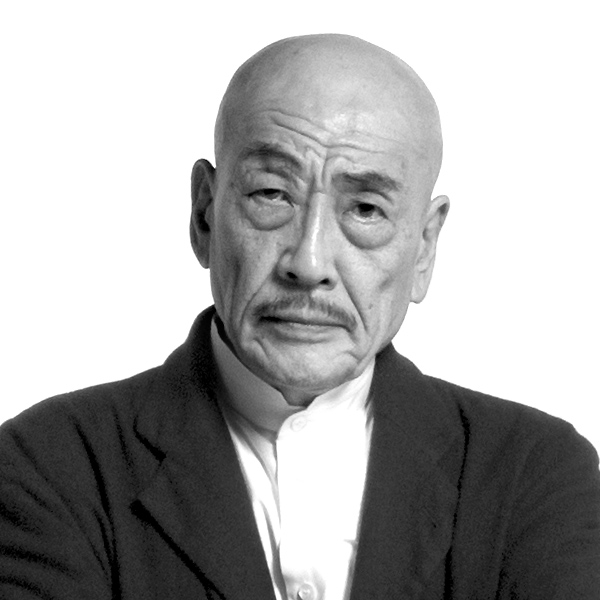
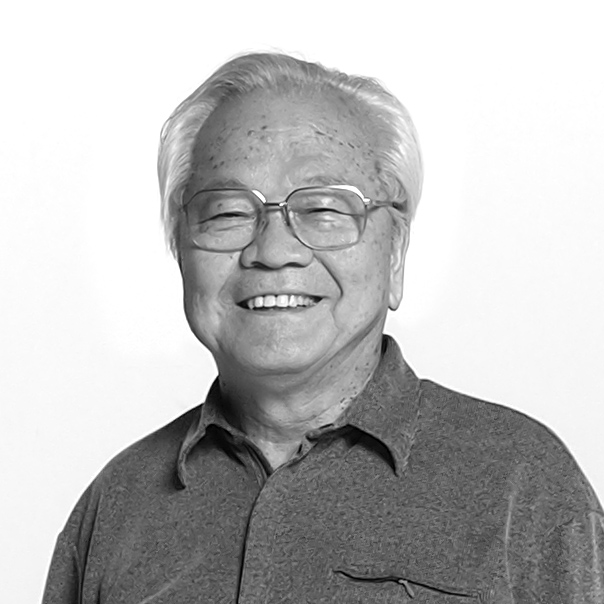
Satoru Seki (Editor, producer)
He has been involved in planning and editing culture magazines such as POPEYE, BRUTUS, and Takarajima. He currently also serves as a part-time lecturer at institutions including Nippon Engineering College and as director of the Stimulus Switch Institute. He is in charge of “Seki Satoru’s Movie Oyako-don” on the official Oyako Day website.
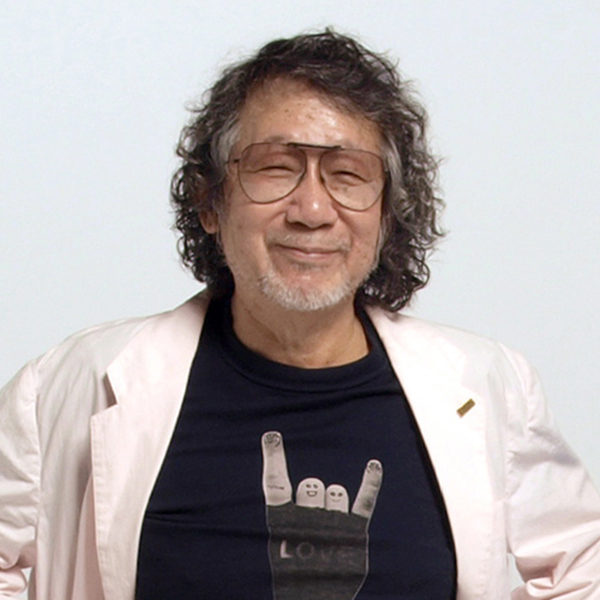
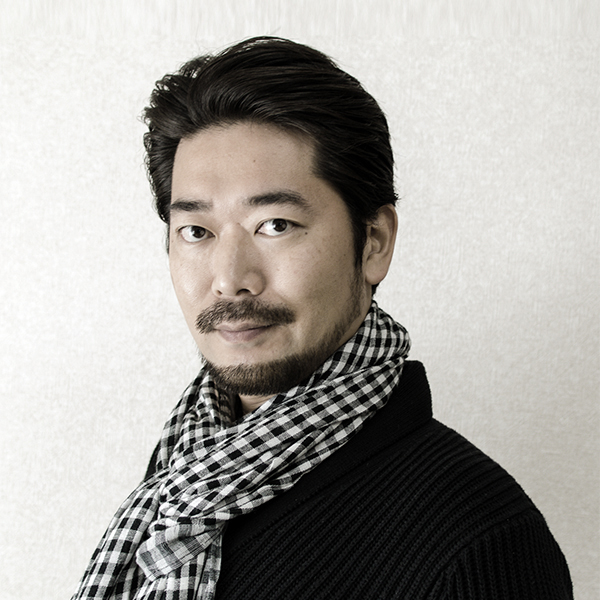
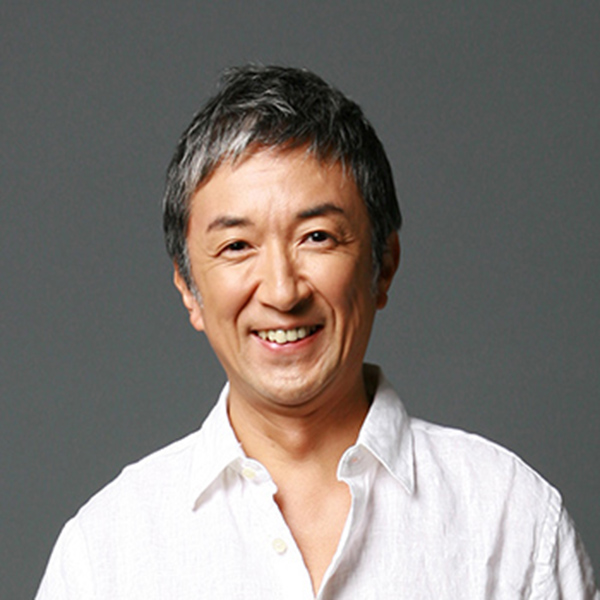
Bruce Osborn (Photographer; originator of Oyako Day)
He began photographing parents and children as a theme in 1982. In 2003, he proposed that the fourth Sunday of July be designated Oyako Day. His social activities through photography, including Oyako Day, were recognized with the Higashikuninomiya Culture Award. As an artist, he continues to share the message “Present to the Future.”
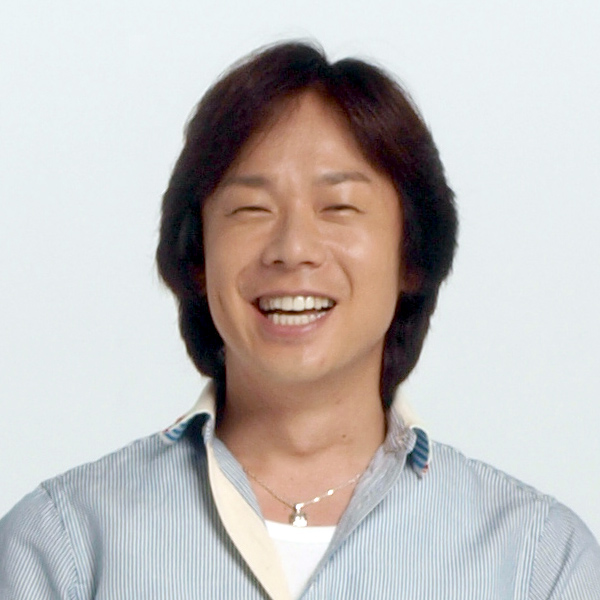
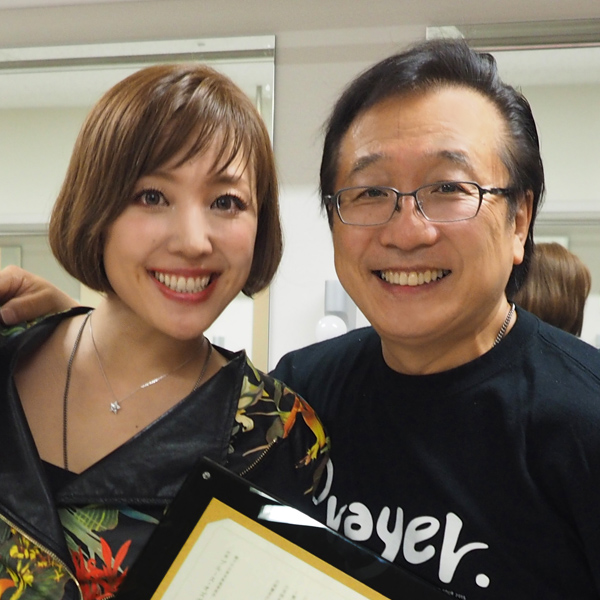
Yoshiko Inoue (Representative of Oyako Day; producer; President and CEO of Ozone Inc.)
As Bruce Osborn’s partner in both work and life, she has produced numerous exhibitions and events.
Introducing Yumiko Minegishi
Seki: Hello. It’s Sunday, April 26, and the weather in Tokyo is beautifully sunny. Today we welcome Yumiko Minegishi of Yushin General Incorporated Association as our guest. Hello, Ms. Minegishi.
Minegishi: Thank you for having me.
Seki: Today I’d like you to tell us about the activities of your organization, Yushin, because I think they have a strong affinity with Oyako Day. The name is written with the characters for “play” and “heart.” What does it mean?
Video 2:20: “What “Yushin” Means”
Minegishi: We launched the organization 16 years ago, and I’m very particular about the word “Yushin.” One meaning is like the commonly used idea of a playful spirit: a state with space and ease. Another is like mindfulness: a state in which the mind is free, like the focused time when a child is so absorbed—even with a runny nose—that they don’t notice when someone at home calls to them. That nuance of being completely engrossed is also part of “Yushin,” so I chose the name to combine both meanings.
Seki: In Japanese, “playing” tends to be taken lightly, but the English word “play” is broad and deep. I feel that a playful heart may be the most important thing of all.
Minegishi: I hope not only children, but adults too, can have that. It’s something I want to value.
Children Who Don’t Have Opportunities to Play Outside
Seki: This is your 16th year, I hear. Having seen so many children, what are your impressions?
Minegishi: I’ve actually been playing outdoors with children for more than 35 years, including in places near mountains and the sea. When I returned to Taito Ward, where I was born, I found that there were many children who had no opportunity to go outside and play. Some had never touched a leaf, had never caught a pill bug, or couldn’t sit on the ground. Their parents would scold them, saying, “Don’t touch that, it’s dirty.” Recently, nursery school and kindergarten teachers have been working hard to improve this, but now parents from Generation Z often have no nature experiences themselves, so the parents can’t touch things either.
If you go somewhere rich in nature, of course you can experience more. But even in the city, there is ground beneath your feet, flowers blooming in the flower bed next door, and ants by the roadside. I think it’s important to notice those things.
Seki: The way we direct our attention is important too. Yoshiko, how do you see the connection with Oyako Day?
Yoshiko: What they have in common is that they look at society not as “parent or child,” but through the connection of “both parent and child.” I’d like to keep exploring what we can share together going forward.
Helping Children Find Their Own Ways to Play
Video 9:26: “Photos from the Hayama Event”
Bruce: Please take a look at these photos from an event we did a little while ago in Hayama with local people.
Yoshiko: After going for a walk and collecting grasses, flowers, and driftage from the beach, we gave everyone a specimen box. It was an event where Bruce taught people how to take photographs while they created a specimen box. Both parents and children took part, and everyone got completely absorbed—it was so much fun. I thought it overlapped with Ms. Minegishi’s activities, so I dug up these nostalgic photos.
Video 9:49: “Making Specimen Boxes”
Seki: Amazing. These are really impressive works.
Yoshiko: Even people with no photography experience can walk around with a camera, take pictures, cut out the finished prints, and combine them with things they picked up to make works like this. It was fun.
Video 10:15: “A Finished Specimen Box”
Yoshiko: While everyone was doing this, they were all so quiet.
Minegishi: And when your own photo is included, it makes you happy.
Video 10:53: “A Piece with Your Own Photo”
Yoshiko: When children see adults enjoying themselves, they’re delighted and have fun too. It’s about enjoying it, not doing it out of obligation—that’s “Yushin,” isn’t it? I felt that was where we could really resonate with Ms. Minegishi’s work.
Seki: Instead of only knowing things that have been handed to them, children find their own play in nature. I think that’s truly creative.
Minegishi: Many children can play with something they’ve been given, but they’re not very good at creating something themselves from nothing. But in fact, children do have that ability, and as they keep doing it, they become able to use it. The strength they already have awakens. Nature is perfect for that, because it contains so many things outside the human realm and is so full of variety.
Seki: Looking at your website, I see your name is listed as “Fujiko.” Where did Fujiko come from?
Video 12:58: “The Story Behind “Fujiko””
Minegishi: I’ve been keeping it a secret, but the children call me “Fujiko-chan.”
Seki: That’s straight out of Lupin.
Minegishi: When I was younger, I got up to all sorts of things. Drinking, making noise, walking around town carrying a big bottle of sake—that kind of thing was normal. Please keep it a secret.
Seki: Everyone is watching, and this will stay in the archive too. From now on, I’ll call you Ms. Fujiko.
Activities of the Kanda Ai no Kai
Video 14:32: “Introducing Kanda Ai no Kai”
Seki: It says “Kanda Ai-ai” here. Fujiko, you’re also active with the Kanda Ai no Kai. Could you tell us about it?
Minegishi: It started in 2021. I thought it would be nice to have nature close at hand, so I had been running a rooftop vegetable garden in Uchikanda. We were giving local parents and children the chance to experience growing vegetables there, but because of COVID, we could no longer use it. I focused on indigo as something easier to grow than vegetables and suited to Kanda’s history and culture, and I reached out to people in the community.
Video 15:23: “Growing Indigo on a Rooftop”
Minegishi: We grow it on the rooftop of a public facility in Chiyoda Ward, Tokyo. You can see the roof of the Budokan nearby, and to the left is the inner moat of the Imperial Palace. We had already been doing dyeing activities with parents and children, but I started this with the thought, “Why don’t we begin by growing the indigo ourselves?” Indigo is a fairly hardy plant; as long as it has water, it grows steadily. You can grow it in a pot on your balcony at home or in your garden.
Using Indigo-Dyeing Culture as a Way to Bring People Together
Seki: How do those green leaves become that indigo blue?
Minegishi: Many people don’t know that the indigo used in indigo dyeing is a plant. Even when you make the dye liquid, it’s green at first, and through oxidation it changes to blue. We all enjoy watching that transformation together. By growing the plant, it becomes a chance for people to talk, and I hope it helps different people connect with one another. That’s the spirit behind the activity.
Video 17:39: “Indigo’s Color Change”
Minegishi: Kanda was originally a place where indigo from all over Japan was processed. Indigo produced in places like Tokushima and Gunma would gather here, and I hope it can become a “knot” where people connect. Indigo has been familiar to Japanese people since the age of the samurai; the garments worn under armor were dyed with indigo, and it is also said to have antioxidant properties and to help wounds heal faster.
Seki: It’s a beautiful color. As a high-quality pair of jeans, indigo-dyed jeans would be great, wouldn’t they?
Minegishi: Yes. But what matters is not just the finished product. I think what the people of the town need is the time and place to gather the indigo together, make the dye liquid, dye things, and enjoy the process. That’s why we do it.
Seki: So it connects with Yushin. Do Yushin and the Ai no Kai ever work together?
Minegishi: They do. When there is a parent-and-child dyeing event, Yushin goes out and helps. Anyone who wants to take part can apply through the website, and we’ll send seeds and seedlings. We distribute seeds that have been blessed at Kanda Myojin Shrine, and people can be involved in the entire process over the course of a year: growing, harvesting, and dyeing.
Seki: Isn’t the barrier to entry high?
Minegishi: Not at all!
Growing Indigo Is Not Difficult
Video 23:31: “The Indigo Growing Cycle”
Seki: How long does it take before the plant can be used for dyeing?
Minegishi: If you sow the seeds in March or April, the plants grow large by June or July in the summer, and you can harvest them about three times. They look like shiso or basil, and people seeing them for the first time sometimes ask, “Is this basil?” In Tokushima, they make it into tea or mix it into foods. It’s bitter, but it’s good for you. There are also initiatives where people with disabilities mix it into cookies. If indigo spreads through the Kanda area, there will be more greenery, and children will have more places to touch leaves, so I’d like to fill the area with green.
Bruce Introduces Activities at the Hayama Art Festival
Seki: Now Bruce has an announcement about Oyako Day activities.
Video 25:50: “Announcing the Hayama Art Festival”
Bruce: This year, we’re exhibiting panels of artwork at Morito Shrine.
Seki: You can see them as soon as you enter the shrine.
Video 26:11: “The Exhibit at Morito Shrine”
Video 26:38: “Inside the Shrine Exhibit”
Yoshiko: We’re also exhibiting works at the nearby Lanai Gallery.
Video 26:46: “The Exhibit at Lanai Gallery”
Yoshiko: It’s a two-person exhibition by Masaru Fukuda and Bruce. Bruce is showing works based on driftage he found by the sea, with hand-drawn elements added to photographic negatives and printed on Nishijima washi paper from Yamanashi. Please come and see it.
A Large-Scale Event Packed with Programs
Video 28:28: “Photo Session and Screening Announcement”
Bruce: And we’re doing a photo session too.
Yoshiko: There will be a Children’s Day photo session, and there will also be a screening and talk event at Lanai. The footage was shot by Bruce not long after he came to Japan, and it’s full-on Showa-era Japan. He took a torii gate to all sorts of places and filmed it. On May 4, there will also be a talk event with Bruce, hosted by Seki.
Seki: You’ll get to see another side of Bruce, different from his parent-and-child photography. The Hayama Art Festival has more than 100 exhibitions and is large in scale, stretching from Kamakura to Akiya. You can go inside artists’ studios, and there are film screenings too. It’s amazing.
Video 31:43: “The Appeal of the Hayama Art Festival”
Yoshiko: I think this year is the 34th edition. It’s wonderful that all sorts of people can communicate around a single theme, and that’s part of Hayama’s charm.
Yumiko Minegishi’s “Present to the Future”
Video 33:15: “Every Living Thing Has Life”
Seki: Now, Fujiko-chan, please give us your Present to the Future. “Everything has life”—what do you mean by that?
Minegishi: When humans become the center of things, we tend to think that people are superior, and that the nature around us, our friends, or everything else altogether is somehow different. But I want people to realize that family, friends, the flowers and grasses in the neighborhood, and the tiny insects there each have their own small life. If more people notice that, their relationships with all kinds of things will become more loving, more caring, and more cherishing.
If that keeps spreading, I believe the Earth could become peaceful. It’s a big idea, but I think it’s important first to cherish everything around us, and that is what I want to convey to children.
Yoshiko: I truly feel the same way. It’s exactly the same as the spirit of Oyako Day. If everyone begins with what is close at hand, that will eventually become a great movement. And I also want us not to forget that the Earth itself is a living body with a finite life.
Minegishi: We mustn’t forget that. I think the smallest unit of all is parent and child.
Bruce: I’d really like us to do something together around the theme of discovering what’s right in front of us. I think that’s right.
Yoshiko: Nature is powerful, so when there’s even a small crack, a sprout will properly emerge. I hope the town can be a place that doesn’t lose that vitality of life. I think that’s important for children and for adults too.
Seki: Thank you very much. Everyone, have a wonderful Sunday!