



The 48th Online Talk Live: “Present to the Future”
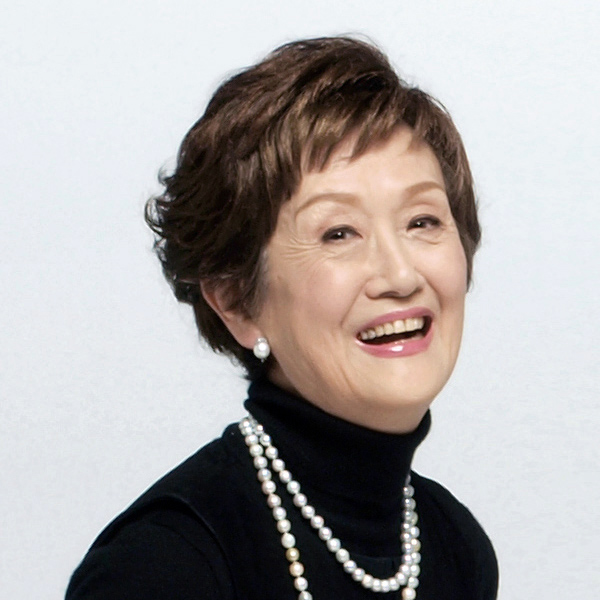
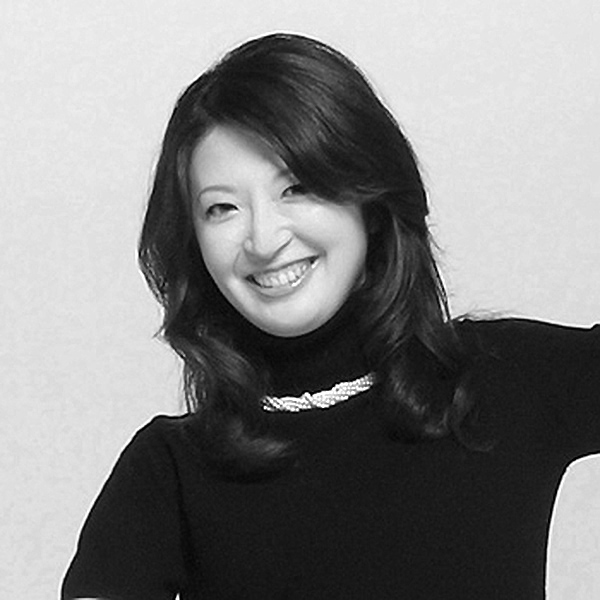
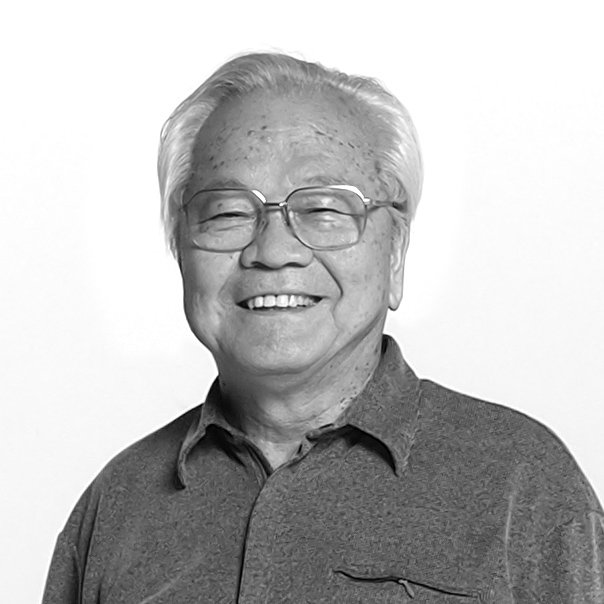
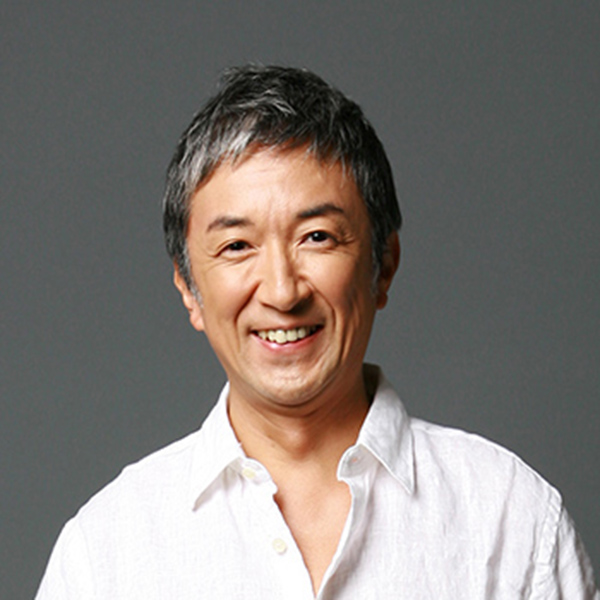
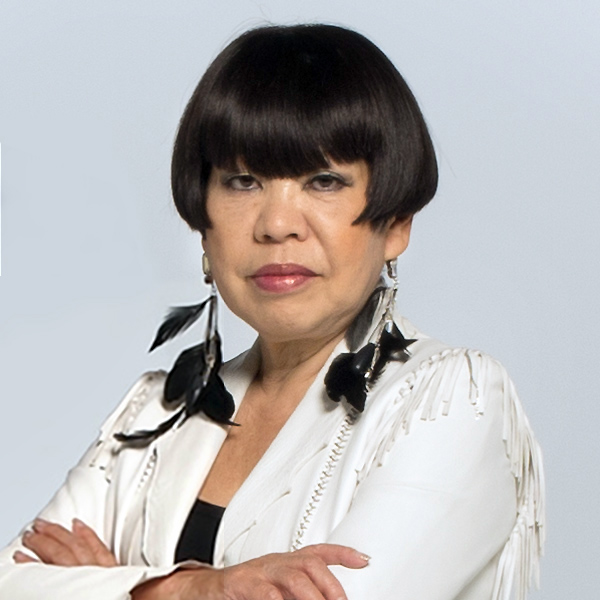
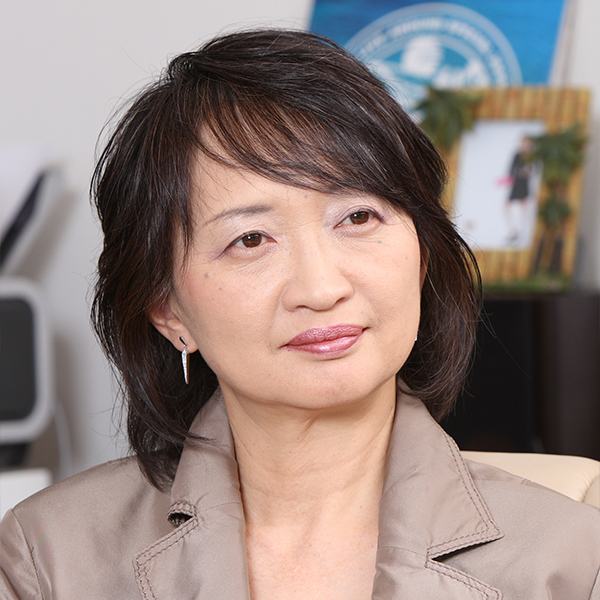
Guest: Kazuko Koike (creative director)
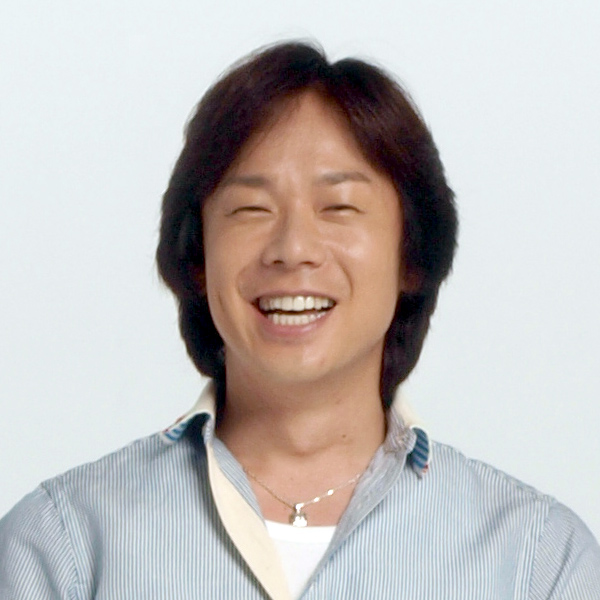
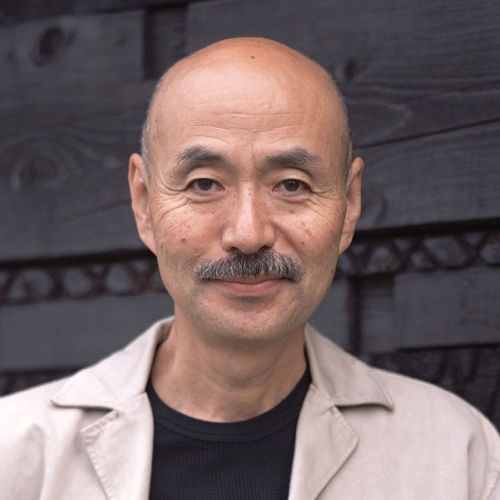
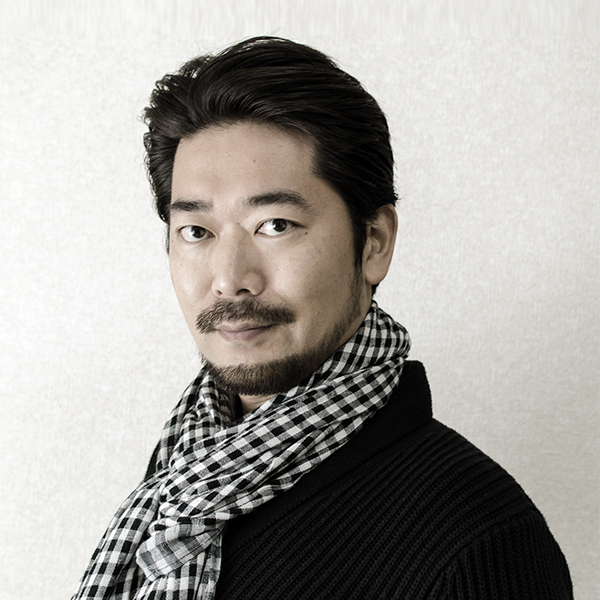
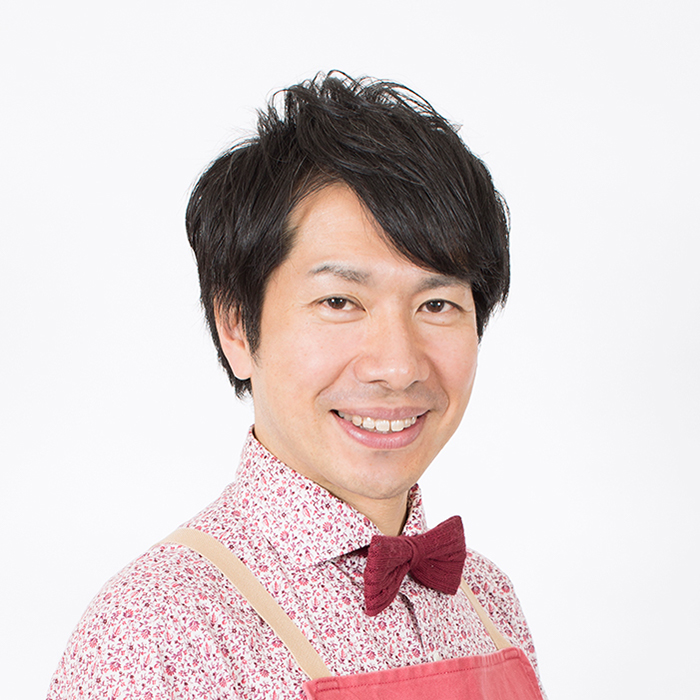
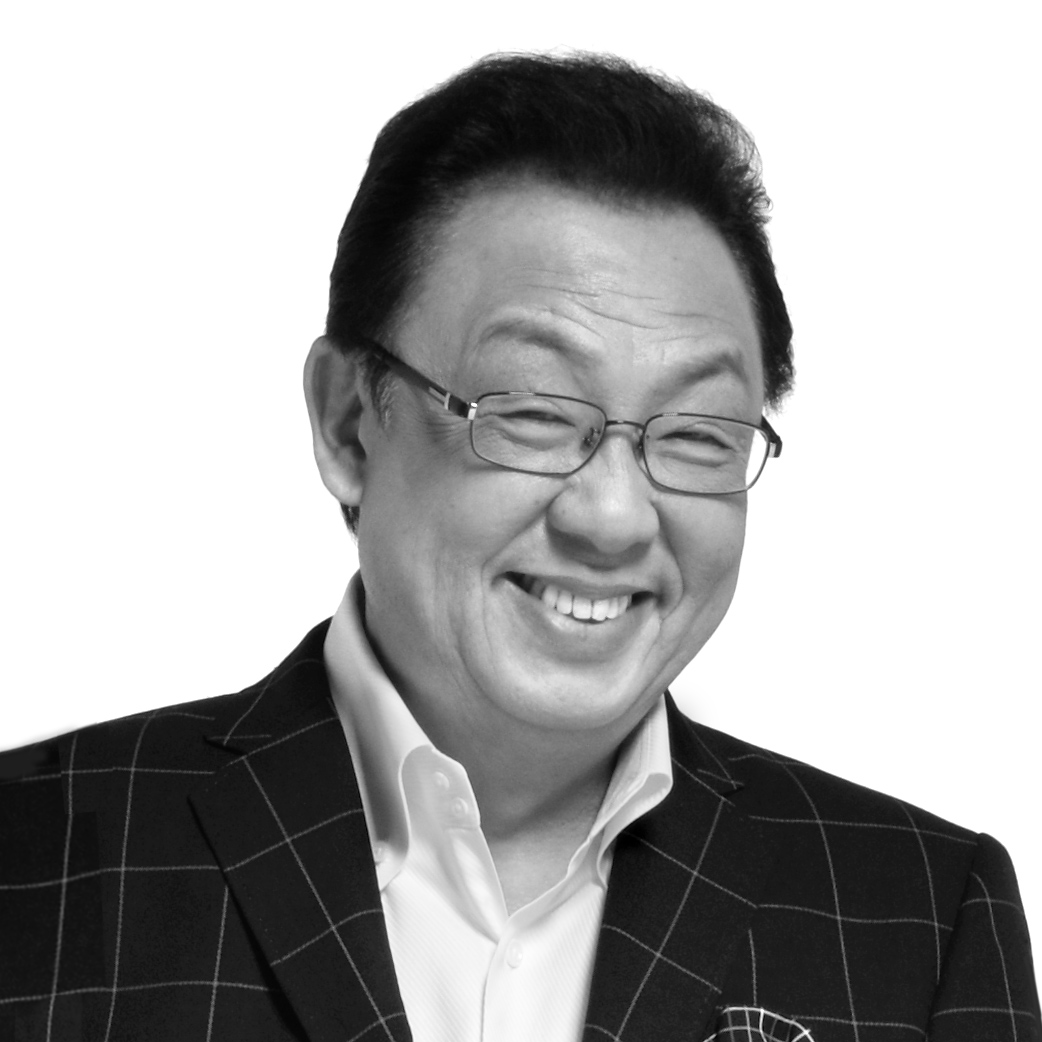
Host: Satoru Seki (editor, producer)
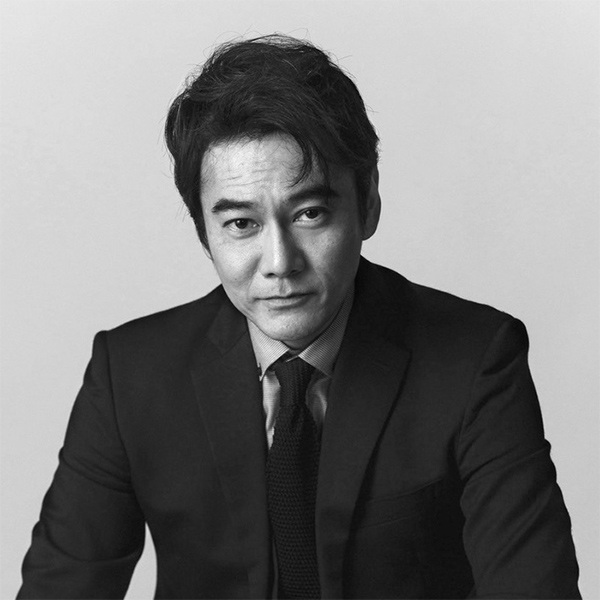
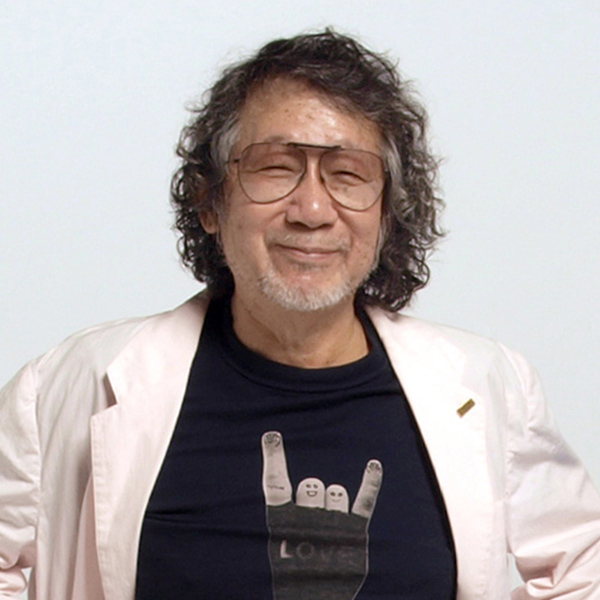
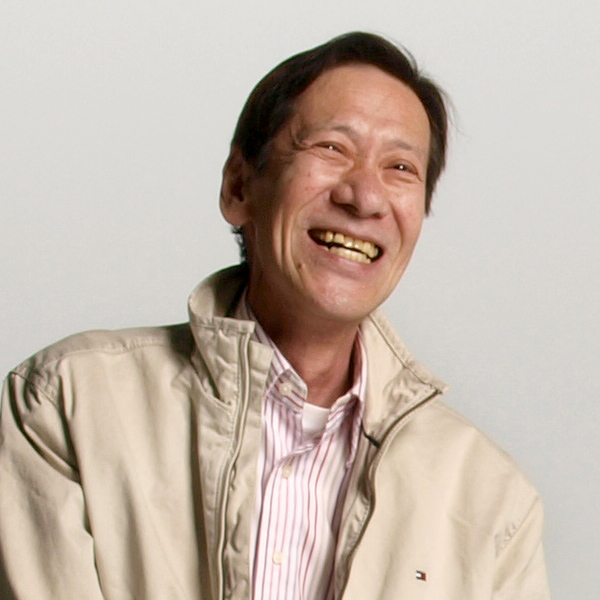
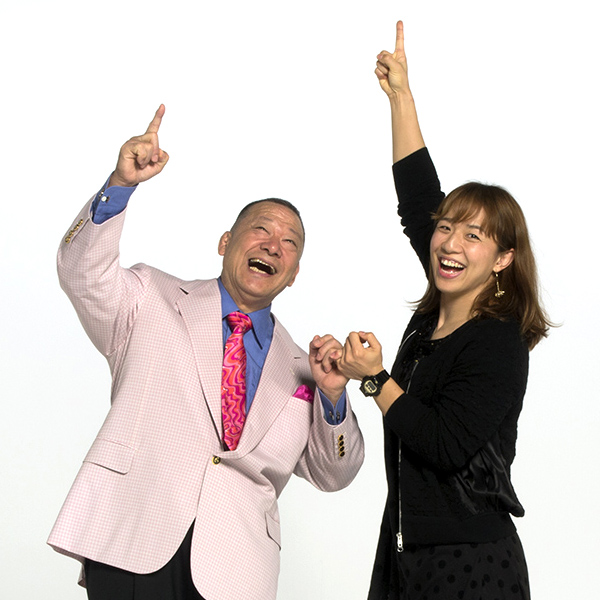
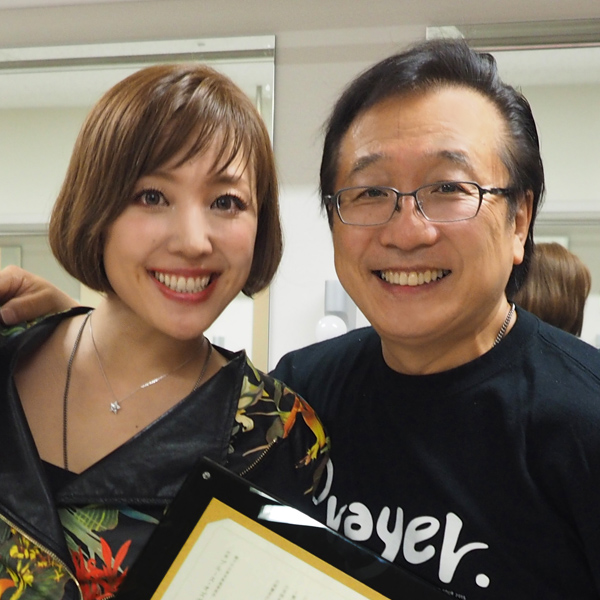
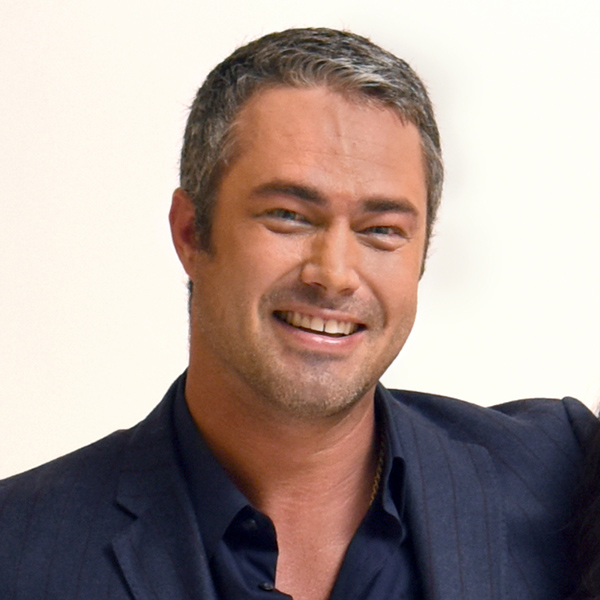
Hosts: Bruce Osborn (photographer), Yoshiko Inoue (Oyako Day Promotion Committee)
Organized by: Oyako Day Promotion Committee
Streaming date and time: Monday, July 20, 2026 (Marine Day), from 1:00 p.m. (live stream)
The guest for the 48th Online Talk Live is Kazuko Koike.
This article introduces highlights from the video.
(Watch the video here)
Featuring:
Kazuko Koike (Creative director)
Born in 1936. She wrote much of the copy for the Seibu Saison Group and, after the Seibu Museum of Art was founded, served as its associate curator. She was involved in founding MUJI in 1980. In 1983 she founded and ran Sagacho Exhibit Space. Her books include “Bijutsu / Chukanshi: Koike Kazuko no Genba” (Heibonsha), and her translations include “Eileen Gray: Architect/Designer” (Misuzu Shobo). Professor Emeritus at Musashino Art University. Named a Person of Cultural Merit in 2022 and awarded the Order of the Rising Sun, Gold Rays with Rosette, in 2024.
Satoru Seki (Editor, producer)
He has been involved in planning and editing culture magazines such as POPEYE, BRUTUS, and Takarajima. He currently also serves as a part-time lecturer at institutions including Nippon Engineering College and as director of the Stimulus Switch Institute. He is in charge of “Seki Satoru’s Movie Oyako-don” on the official Oyako Day website.
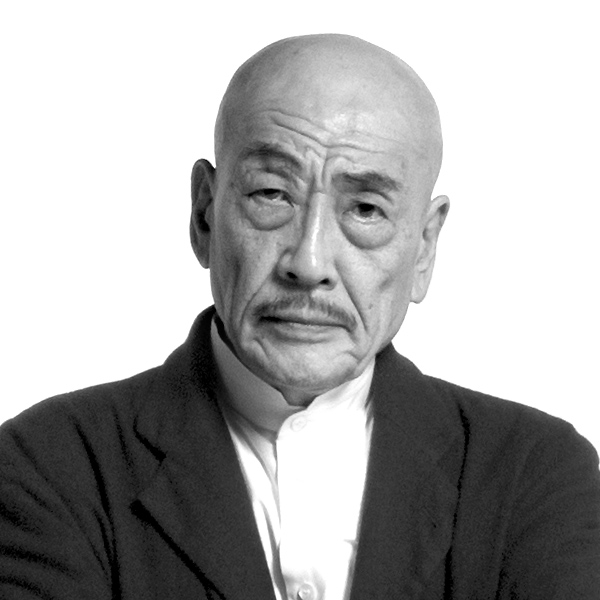
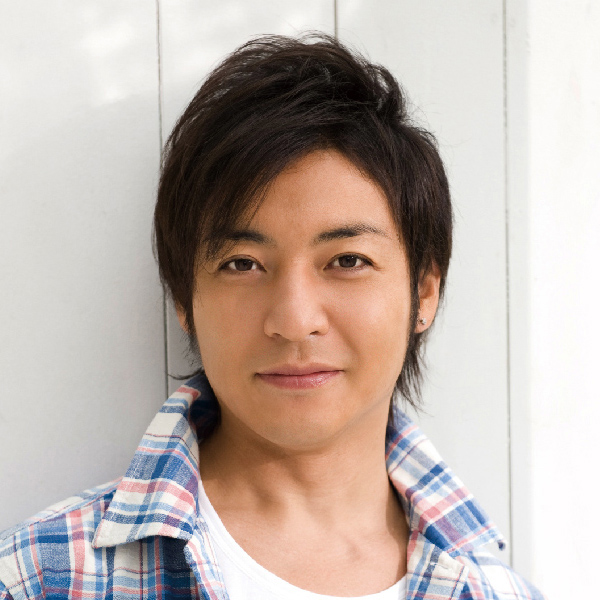
Bruce Osborn (Photographer; originator of Oyako Day)
He began photographing parents and children as a theme in 1982. In 2003, he proposed that the fourth Sunday of July be designated Oyako Day. His social activities through photography, including Oyako Day, were recognized with the Higashikuninomiya Culture Award. As an artist, he continues to share the message “Present to the Future.”
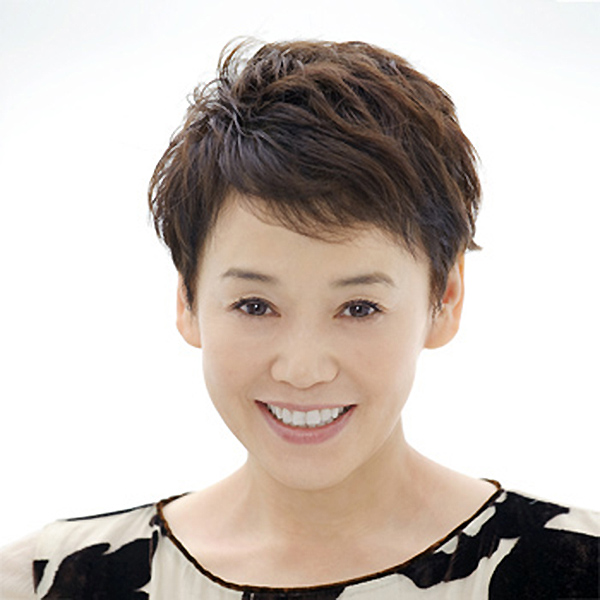
Yoshiko Inoue (Representative of Oyako Day; producer; President and CEO of Ozone Inc.)
As Bruce Osborn’s partner in both work and life, she has produced numerous exhibitions and events.
Introducing Kazuko Koike
Seki: Hello, everyone. It’s July 20, Marine Day, and we’re starting our online talk. Today we welcome a legend of the creative world, Kazuko Koike. You seem busier than ever.
Koike: It’s strange, isn’t it? (laughs)
Seki: You have achieved so much, Ms. Koike, but how did your friendship with Bruce begin in the first place?
Koike: I think it started when he came to Sagacho Exhibit Space, which we set up as an exhibition venue in an old rice building, the Shokuryo Building.
A Space Sleeping on the Third Floor of the Shokuryo Building: The Birth of Sagacho Exhibit Space
Seki: How many years ago was that?
Koike: In the mid-1980s.
Seki: So about forty years ago.
Bruce: That’s right. It was around the time the Oyako project began.
Video 0:00: “Opening Night at Sagacho Exhibit Space”
Koike: This is the very first opening night. Sumo wrestlers came to celebrate.
Yoshiko: The baby I’m holding is my eldest daughter. She’s about 44 now, so this was some 43 years ago. It really went by in a flash.
Seki: Why are there sumo wrestlers?
Koike: My right hand at the time, Atsuko Koyanagi of Gallery Koyanagi in Ginza, loved sumo. There were many sumo stables around Sagacho, and people from them came along. They looked as if they were wondering what was about to begin, and what on earth contemporary art was.
Seki: A clash of the classical and the contemporary. That’s interesting in its own way.
Yoshiko: We were living in Asakusa then, so we were really happy that a gallery was opening in a place like this. Usually they open in the center of the city, somewhere like Roppongi.
Koike: Rents in Akasaka and Aoyama were high, and I didn’t think we could rent a big space there. So I went over to the other side of Eitai Bridge, and there was a wonderful base. Back then, people from the Yamanote side were prejudiced against the far side of the Sumida River. Even when I said I’d found a wonderful space, lots of people worried. That’s unthinkable today.
Seki: Today you’d compare it to the trend in Berlin or SoHo.
Koike: SoHo in New York was the biggest inspiration.
Video 3:45: “Inspired by SoHo, New York”
Seki: It was a pioneer of that in Tokyo.
Koike: People say renovation or rebuild, don’t they? Back then, nobody had touched that “Re” yet. After that, the “Re”s really multiplied.
“What Matters Is the Floor”: Bringing a 1927 Building Back to Life
Seki: Some viewers may not know your work, Ms. Koike, so let’s go through it in order. This is a video from when you received the Avon Woman of the Year Award in 2017.
Video 4:54: “Receiving the Avon Woman of the Year Award”
Koike: That’s right. It’s the award from Avon, the cosmetics company. And this is my work as a copywriter.
Video 5:46: “MUJI in Shanghai”
Koike: When a MUJI store opened in Shanghai, everyone really took in what I had to say, which was good.
Video 5:57: “The Shokuryo Building by Eitai Bridge”
Koike: This was in the earlier video too: I found a building put up in 1927 at the foot of Eitai Bridge. A wonderful space was sleeping on its third floor. The ceilings were high and it was spacious, yet nobody had been able to use it.
Seki: Amazing.
Video 7:41: “The Revived Exhibition Space”
Koike: In bringing the old building back to life as a venue where exhibitions could be shown properly, a designer friend really gave it everything. It was the group led by Takashi Sugimoto of Super Potato. Just by coating the floor that people of the Showa era had walked on with a slightly grayish medium, we got a wonderful floor. We also checked every window frame for the natural light, and truly brought it back to life.
Seki: In an era when people weren’t thinking that way, how did you come up with the idea?
Koike: Perhaps because I had seen many examples abroad through my design work. In New York of course, but also in London and Paris, everyone had started making good use of old buildings. But if you ask me what matters most, I think it’s the floor. In the sense that you can put things properly on the floor, this building was the best.
Video 9:01: “Why the Floor Matters”
Seki: In our lives too, a cluttered floor is no good. The Roomba can’t move. (laughs)
From Copywriter to “Creative Director”
Seki: I think you were one of the driving forces of the 1970s and ’80s, when everyday life and design came into the spotlight.
Koike: It was a wonderful time, when the era and the good intentions of designers doing creative work happened to line up. Working together with the people who create things has been my greatest joy and my foundation. I didn’t pay much attention to the trends of the world. I think the 1970s were when Japan finally entered a period of creating a new postwar culture.
Seki: Your career began with copywriting and expanded into curation and more. How did that come about?
Koike: For one thing, words are a tool. For a while I was the secretary of Seiichi Horiuchi, who led Magazine House’s magazines from the very start. From a single art director, an infinite spread of culture and society was born. The photographers who came to visit turned out to be the people who would later lead the photography world. Because I started out blessed with encounters like that, I felt optimistic about meeting people. So I wasn’t afraid to go and ask artists for things, and I often got to make small booklets with them.
Seki: Mr. Horiuchi defined an era, after all.
Koike: For someone on the words side, being blessed with good art directors is very important. Around the same time as Mr. Horiuchi, Tamotsu Ejima was also an extremely strict art director. It was in his time that I was scolded the most and trained the hardest. I’d write lots of copy and bring it in, and he’d reject all of it and finally pick up just one.
Seki: Was there such a thing as a creative director as a profession back then?
Koike: No, there wasn’t. The person I consulted, asking “Shall we call it creative director?”, was Ikko Tanaka. I had no specialist training in art or design, but I felt I had to lead creative work, and I came up with this name as a last resort in the 1980s. In Japan, I believe I was the one who started it.
Seki: What do you feel has changed the most since then?
Koike: The arrival of Shigesato Itoi. He showed the power of words brilliantly. I had always felt I wasn’t cut out to be a copywriter. When I was put in charge of a campaign for a sweet, I had a habit of digging into the sweet’s background and what made it different. In the sense of taking the lead by specializing in words, Mr. Itoi’s arrival was a really big event for me.
The Issey Miyake Exhibition and the “Oyako” Photographs
Seki: This photo was taken by Bruce, wasn’t it?
Video 19:46: “Issey Miyake’s “Bodyworks” Exhibition”
Bruce: Yoshiko is in it too. It’s Ms. Koike’s exhibition of Issey Miyake.
Koike: It’s Issey’s “Bodyworks” exhibition. We took it to San Francisco too, and when the Seibu Museum of Art held an exhibition in Moscow, I used these mannequins in my own work.
Video 20:28: “Kasuri by Tomio Mouri”
Koike: What I’m wearing is kasuri made by the designer Tomio Mouri. Taking on new problems, and the wonderful kimono of the traditions Japan has inherited, and making contemporary Japanese clothing from them. I was absorbed in work that was like the two wheels of a bicycle.
Video 23:29: “A Tattooed Parent and Child”
Seki: This is an early masterpiece.
Bruce: From the start I was interested in Japanese occupations: carpenters in the old downtown, firefighters, sumo wrestlers. Among them, I really wanted to photograph a tattooed parent and child.
Yoshiko: Bruce wanted to explore Japanese culture through the theme of parent and child, and he kept giving me difficult requests, like tattooed people and maiko. When I was stuck, I asked Ms. Koike for advice.
Seki: So the tattooed parent and child were introduced by you, Ms. Koike?
Koike: I thought tattooing was an amazing culture, and I actually wanted to hold an exhibition of it. It was a wonderful family in Yokohama, the Owadas, and his wife helped us too.
Bruce: At first I agonized over how to shoot it. I talked it over with Yoshiko, and we decided it was better to shoot from behind.
Yoshiko: In Mr. Owada’s case the tattoo on his back is magnificent, so I’m really glad we could shoot it this way. His daughter was so innocent, too. I’m very grateful that we could communicate with Ms. Koike in so many situations.
Koike: The feeling is mutual. It’s not about doing one job together, but sharing the same atmosphere and being able to consult each other whenever something comes up. That really is something, and it’s what makes friends so precious.
Yoshiko: I think Ms. Koike’s power to bring people in is wonderful.
“There Are No Coincidences.”: Curiosity Leads to a New Base in the Old Downtown
Seki: You are the oldest guest on this talk, Ms. Koike, but I don’t feel any gap at all. Do you have a secret?
Koike: I’ve never thought about it. Perhaps it’s just that my curiosity hasn’t changed. There are so many interesting things at any given time, aren’t there? Things are too interesting to die. (laughs)
Seki: What is stimulating your curiosity the most right now?
Koike: There are too many to narrow down to one. Just yesterday I went to the Kasuya Forest Museum of Contemporary Art, up in the hills of Hayama, to see a new work by Makoto Aida. He’s making it in public, and the title is “Konyoku” (mixed bathing). All sorts of people can appear, leaping across eras and borders. I think it will be a major work over the next several years.
Video 27:29: “Makoto Aida’s New Work “Konyoku””
Koike: Mr. Aida and Hiroko Okada are both truly outstanding artists. In Mr. Aida’s painting, the flow of culture that Japan has taken in over its long history is summed up in the word “konyoku,” and historical figures such as Yukio Mishima appear. Ms. Okada makes works for which she writes the scenario herself and performs all the voices herself. I recommend them both.
Seki: We’d also like to see the project you’re working on now.
Video 30:51: “The Bakuro Kurato Logo”
Koike: It’s called “Bakuro Kurato.” Bakuro were the people who bought and sold horses, and I love that word. The mane logo is by the art director Naoki Sato. It looks as if it’s about to neigh, doesn’t it?
Video 31:31: “The Sign: “There Are No Coincidences.””
Koike: We’ve been given the use of one of the buildings of Etoile Kaito, the most famous of the wholesalers. It has seven floors, with studios and galleries, a café on the first floor, and space for performances. The leader, Masato Nakamura, kept saying “There are no coincidences,” and in the end the building’s sign became “There are no coincidences.”
Seki: The fact that it has a period at the end is so like 1980s copywriting.
Koike: The building opened last week, and the grand opening including the art is in the autumn. I’d like Mr. Nakamura, who is also vice president of Tokyo University of the Arts, to talk then too. From now on I want to center my activities on this place. Tokyo’s old downtown has a dynamism.
Yoshiko: When we lived in Asakusa, people would ask, “Is Asakusa even Tokyo?” But I think projects like this bring the whole neighborhood to life.
Koike: Various businesses are moving into the wholesale district, and as old buildings turn into new ones, all kinds of experiments are happening. People have to live there too, don’t they?
Oyako Day and the Hakone Art Festival
Seki: Yoshiko, do you have any announcements?
Video 36:38: “Oyako Day and Hakone Art Festival Announcements”
Yoshiko: July 26, the fourth Sunday, is Oyako Day. This year we’ve changed the program from a photo session: we’ll introduce messages from the people who have supported us and the photos Bruce has taken over the years, together with the background of their times. At the Hakone Art Festival 2026, in the venue that houses works by Tadanori Yokoo, we’re also exhibiting photos of many people, starting with Mr. Yokoo and his family.
Kazuko Koike’s “Present to the Future”
Video 39:58: ““Let’s Connect””
Seki: Finally, Ms. Koike, may we ask for your Present to the Future?
Koike: Yes, can you see it? Everyone enjoying all kinds of things together is the best thing there is. My message is “Let’s connect.”
Seki: We all want to connect with everyone. Ms. Koike, thank you so much for spending so much time with us today!