


46th Online Talk Live: “Gift to the Future ~Present to the Future~”
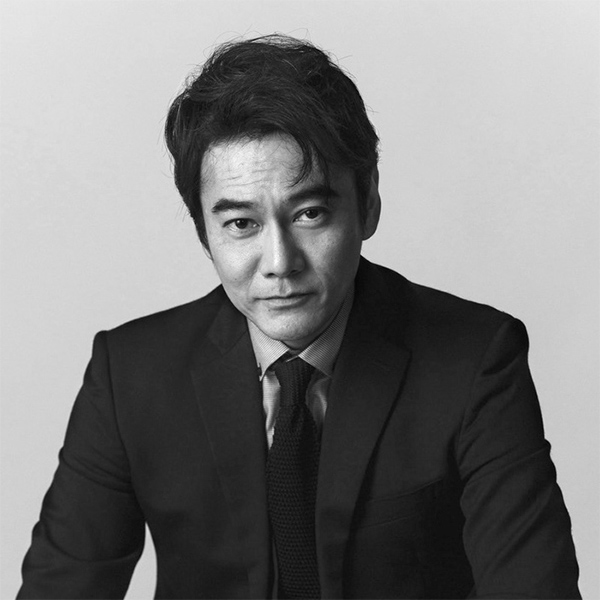
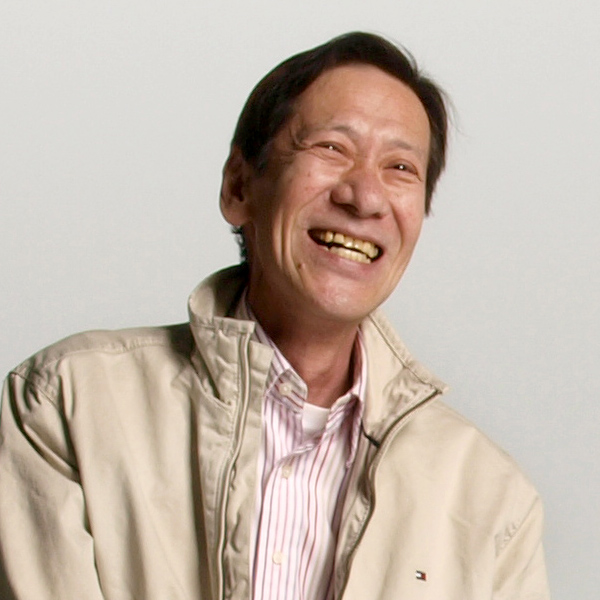
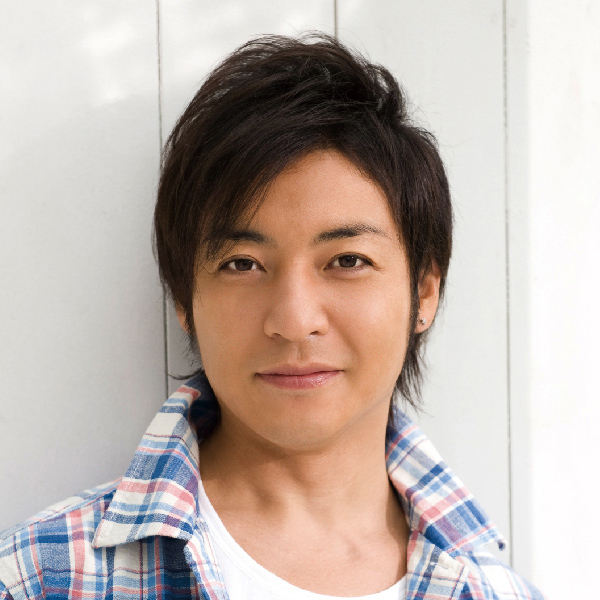
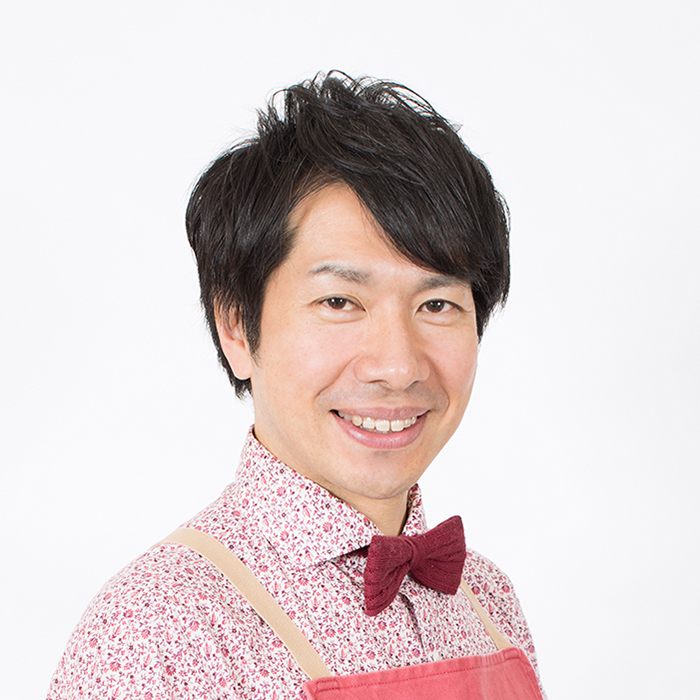
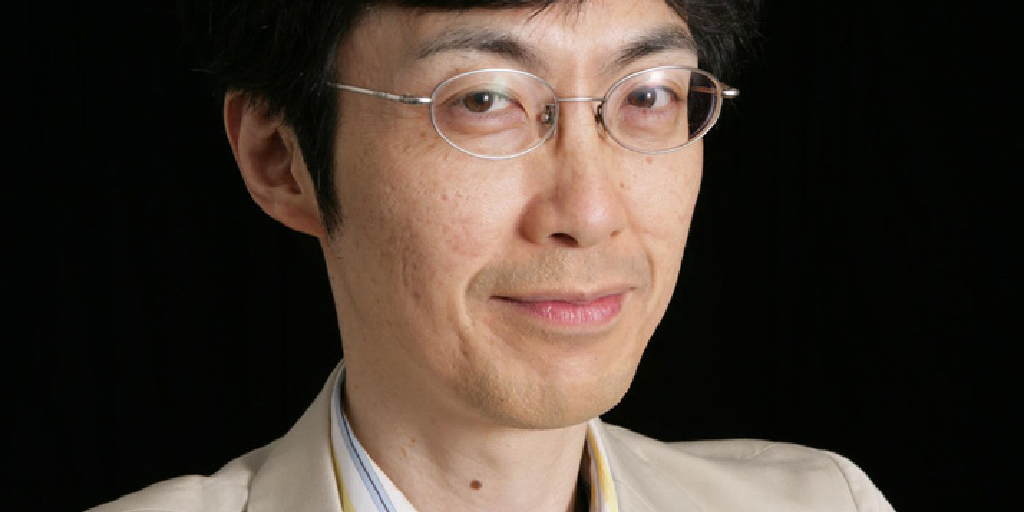
Guest: Hirofumi Gomi (President and CEO, Office Burn Inc.; Haunted House Producer)
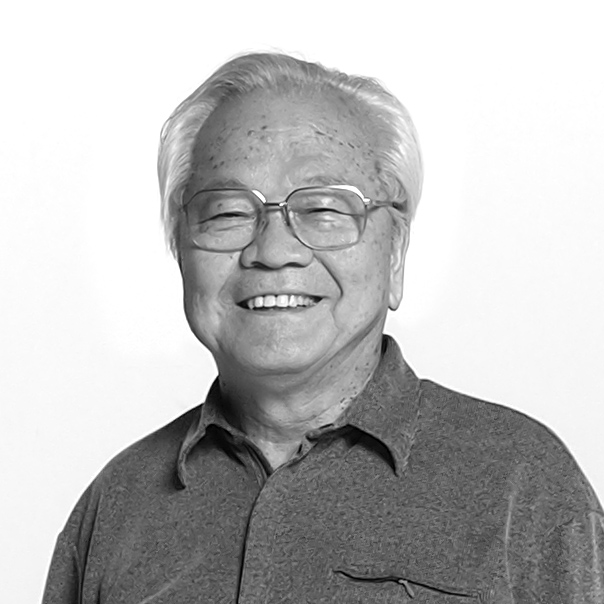
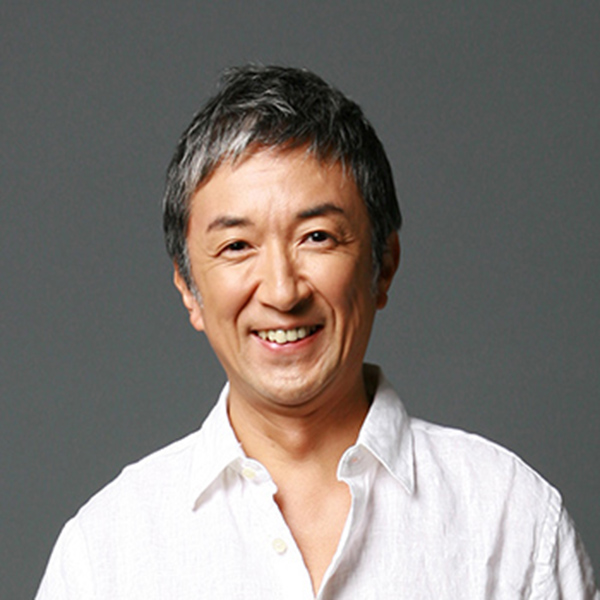
Host: Satoru Seki (editor, producer)
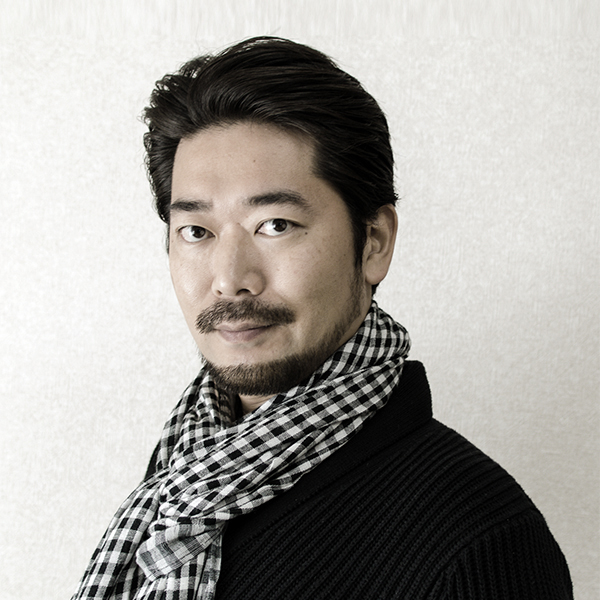
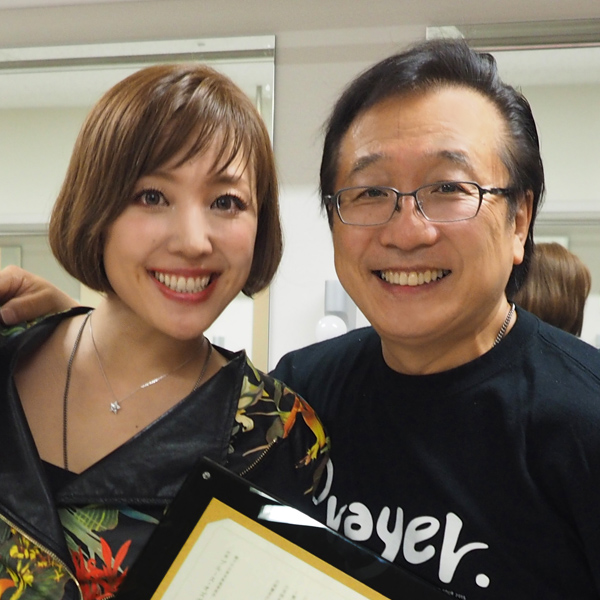
Hosts: Bruce Osborn (photographer), Yoshiko Inoue (Oyako Day Promotion Committee)
Organizer: Oyako Day Promotion Committee
Streaming date and time: Saturday, May 23, 2026, from 12:30 p.m. (live stream)
The guest for the 46th Online Talk Live is Hirofumi Gomi.
In this article, we present highlights from the video.
(Watch the video here)
Featuring:
Hirofumi Gomi (President and CEO, Office Burn Inc.; Haunted House Producer)
Since 1992, beginning with “Maro Akaji’s Panorama House of Horrors” at Korakuen Amusement Park—now Tokyo Dome City Attractions—he has produced more than 100 haunted houses over the course of more than 30 years. With his distinctive style incorporating “story” and “mission,” he has evolved the haunted house into entertainment that adults can enjoy as well. His major works include “Baby Hell,” “The House of Leg-Cutting,” and “The Pinky-Swear House.” He is also the author of many books.
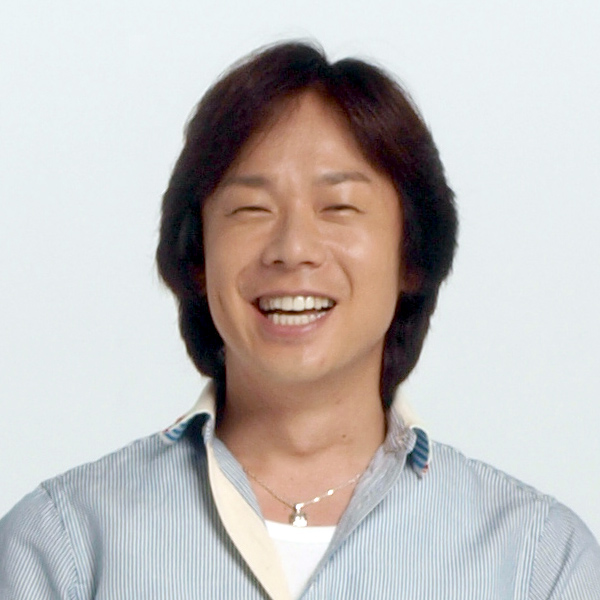
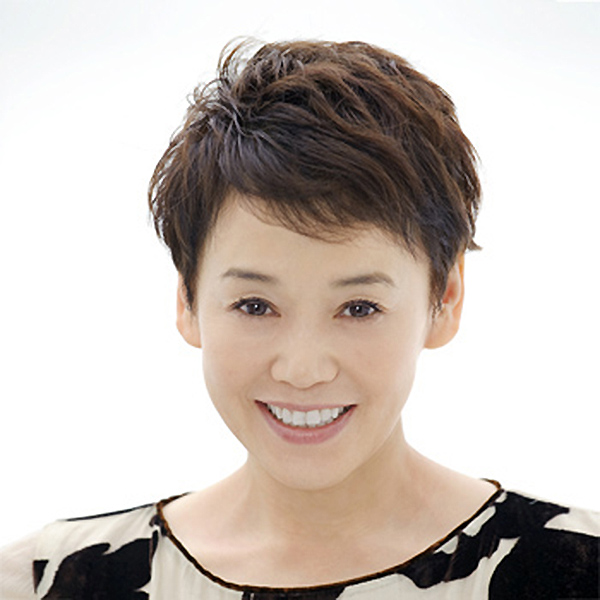
Satoru Seki (Editor, producer)
He has been involved in planning and editing culture magazines such as POPEYE, BRUTUS, and Takarajima. He currently also serves as a part-time lecturer at institutions including Nippon Engineering College, and as director of the Stimulus Switch Research Institute. He is in charge of “Satoru Seki’s Movie Oyako-don” on the official Oyako Day website.
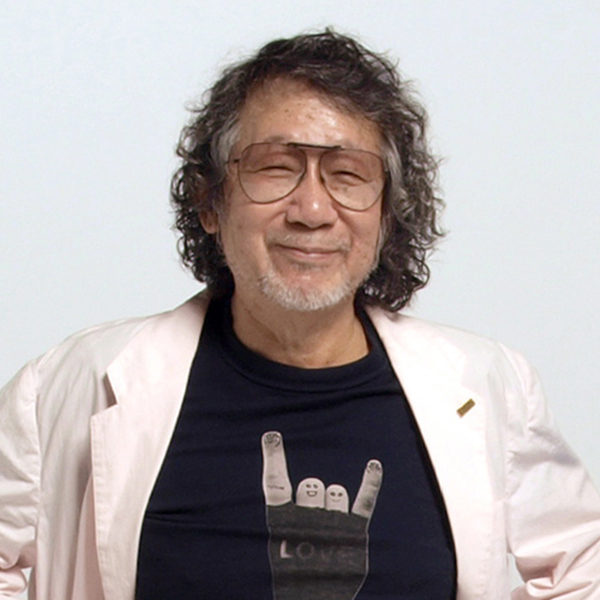
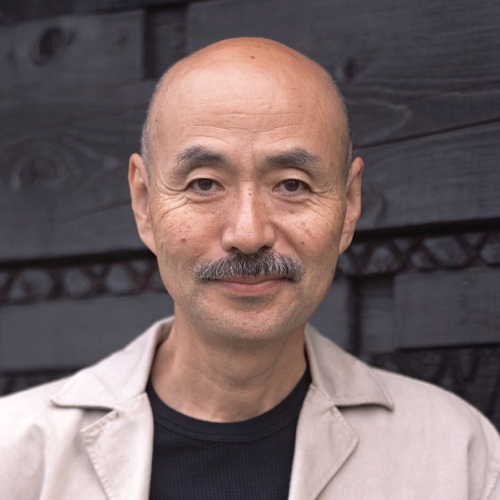
Bruce Osborn (Photographer; originator of Oyako Day)
He began photographing parents and children as a theme in 1982. In 2003, he proposed making the fourth Sunday of July “Oyako Day.” His social activities through photography, including Oyako Day, were recognized with the Higashikuninomiya Culture Award. As an artist, he continues to share the message “Gift to the Future ~Present to the Future~.”
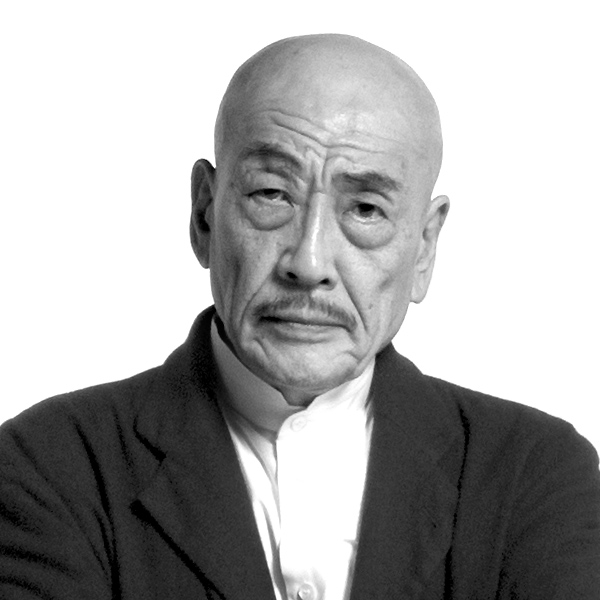
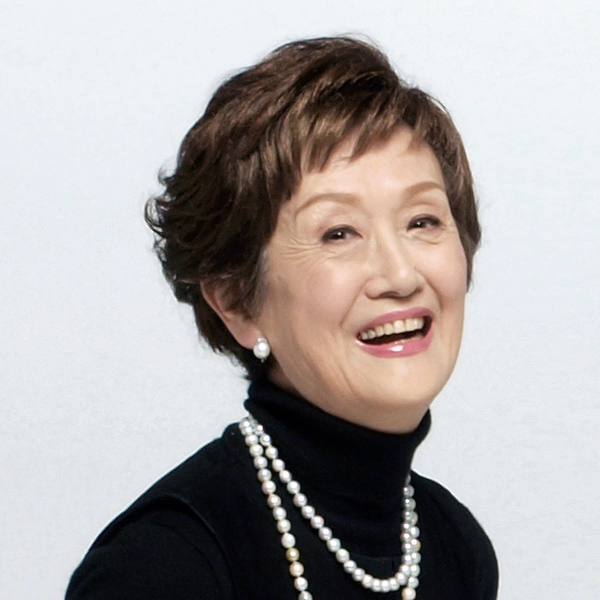
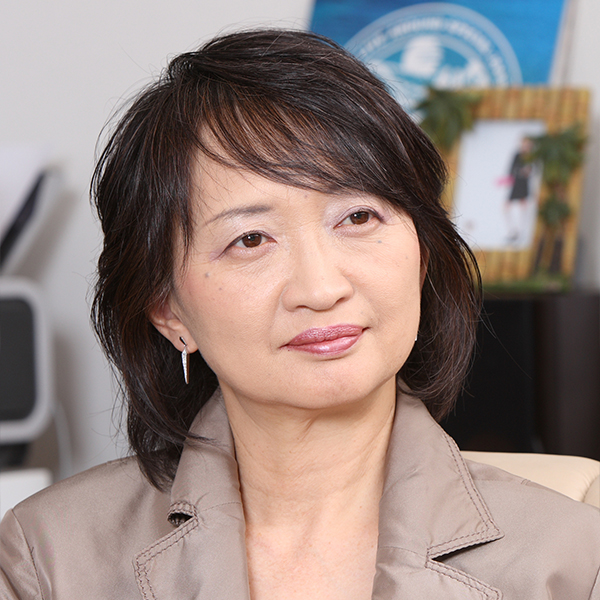
Yoshiko Inoue (Representative of Oyako Day; producer; President and CEO of Ozone Inc.)
As Bruce Osborn’s professional and personal partner, she has produced numerous exhibitions and events.
Introducing Mr. Gomi
Seki: Hello. Today we’ve invited a rather frightening guest: haunted house producer Hirofumi Gomi. Mr. Gomi has very close ties with Bruce; every year Bruce photographs the haunted house at Korakuen that Mr. Gomi produces. To begin, I’d like to ask how you first met Bruce.
Meeting Bruce and Yoshiko
Gomi: I started working on Korakuen’s haunted houses in 1992, and asked the butoh dancer Maro Akaji to direct one. That “Maro Akaji’s Panorama House of Horrors” became a huge hit, and they asked me back the following year. The promotional art for Maro’s production was by the artist Suehiro Maruo, and Bruce had been photographing Maruo.
Bruce: That’s right.
Gomi: Because of that connection, the producer of Dairakudakan said, “Why don’t you ask Bruce?” That was how we first met.
Seki: That was when you were active in the underground scene, wasn’t it?
Gomi: It was around the time of “Tokyo GaGaGa,” after all.
Yoshiko: Was Kazuo Umezu later than that?
Gomi: No, it was then. We asked Mr. Umezu to do the haunted house the following year, so Bruce photographed him as well.
Video 4:52: “Meeting Bruce”
Video 4:58: “The photo shoot begins”
Seki: He’s eating a brain. It’s like Dr. Lecter—or there’s also a scene in Jacopetti’s Mondo Cane where they eat a monkey’s brain.
Gomi: With plans like this, Bruce would sketch things out as we talked—saying, “Wouldn’t it be interesting to take a photo like this?”—and we’d move forward from there.
Video 5:56: “The dancers of Dairakudakan”
Bruce: Family members and acquaintances are in there too.
Gomi: The people around them are dancers from Dairakudakan.
Video 6:28: ““Heart of Darkness””
Gomi: This is a haunted house called “Heart of Darkness,” where you walk around carrying a heart.
Seki: That’s awful (laughs).
Gomi: It’s scary because white-painted people appear.
The haunted house experience and the mission element
Seki: In Mr. Gomi’s haunted houses, there’s a mission—delivering something, for example—and because you’re made responsible for it, it becomes frightening.
Gomi: You don’t want to get involved because it’s scary, but when you have to deliver it, it starts to weigh on you.
Seki: Japanese people are serious, so they try to complete the mission.
Gomi: In the end, they get enjoyment out of it, so they do it.
A childhood spent making haunted houses and scaring relatives
Seki: Mr. Gomi, you went from studying law into theater. Did your love of horror go back to childhood?
Gomi: I liked scary things from the time I was a child, and I also wanted to entertain people. I loved rakugo and thought about becoming a storyteller, while at the same time I was making haunted houses in my own home. For three years—from third to fifth grade—every summer I would build a haunted house at home and scare relatives who came back to Nagano.
Seki: As they say, “The child is father to the man.”
Gomi: I’ve spent most of my life doing haunted houses, really. During those three years—third, fourth, and fifth grade—every summer I built a haunted house in my own home.
Seki: Even though it wasn’t for a school festival.
Gomi: In junior high, high school, and university, I completely forgot about it. By the time I started making haunted houses as an adult, I no longer even remembered that I’d done it as a child.
Encountering Jokyo Gekijo and turning to theater
Gomi: I hated watching school theater, but at university a friend in the theater club said, “Just trust me—it’s interesting. They perform inside a tent.” So I went to see Jokyo Gekijo and was stunned. Jinpachi Nezu and Kaoru Kobayashi were in it, and my dislike flipped all at once into “This is fascinating.” After that I began writing scripts, and when I took them to a friend’s theater company, they were well received.
Gomi: Around that time, Kohei Tsuka had emerged, followed by Hideki Noda, Shoji Kokami, and other student theater companies from the six major universities, which became a boom. I became obsessed with wanting to be like them too.
Seki: And that’s how you became Gomi of Rikkyo, so to speak.
His first haunted house was inspired by the world of Edogawa Ranpo
Gomi: The central actor in Jokyo Gekijo was Maro, so it really was an amazing twist of fate. My first haunted house, “Maro Akaji’s Panorama House of Horrors,” was set in the world of Edogawa Ranpo.
Video 17:11: ““Maro Akaji’s Panorama House of Horrors””
Seki: Bruce took this photo too, didn’t he? We’ve never seen anything like this for Oyako Day, so it’s quite a surprise.
Yoshiko: We’re showing it publicly today for the first time.
It’s scary, but everyone ends up smiling
Seki: Bruce, what were you feeling when you took these?
Bruce: It was an incredible team. Very creative—and these two don’t usually come together.
Video 17:59: “Photographing with Bruce”
Video 18:05: “Creating atmosphere with lighting”
Yoshiko: Bruce’s parent-child photos are monochrome and simple, but these are elaborate, with lighting and other effects, so I think he enjoyed it.
Video 18:14: “The world of the haunted house”
Video 18:24: “Expressing the story through photography”
Seki: This doll isn’t CG?
Gomi: We arranged them to some extent, photographed them, and layered the images.
Yoshiko: Based on Mr. Gomi’s story, Bruce would develop an image, and we photographed while thinking about the effects we would use in processing it.
Video 19:21: “A memorable shot”
Video 19:33: “A woman buried under the floor”
Video 19:46: “Visual expression in haunted houses”
Seki: This is a good photo (laughs).
Video 20:16: “A memorable shot”
Gomi: This woman is someone who was buried under the floor.
Video 20:30: “The haunted house at Uzumasa”
Bruce: Was this during COVID? Everyone’s wearing masks.
Gomi: Maybe the haunted house at Uzumasa.
Video 20:54: ““The Nape Barber Shop””
Gomi: This is called “The Nape Barber Shop”—a barbershop that cuts the nape of your neck.
Seki: Oh, that’s scary.
Gomi: I’m happy to see all these nostalgic photos.
Seki: Mr. Gomi, what does “scary” mean to you?
Gomi: A haunted house is a scary place, but in the end it’s fun. After people scream, most customers end up smiling. What’s interesting is that by laughing at the self that was scared, or at the person they’re with, they can see things objectively.
Seki: In the old days, amusement parks had permanent haunted houses; Futako-Tamagawaen and Dreamland had them too, but now they’re gone. The haunted house at Dreamland, where the floor turned all wobbly, was a shock.
Gomi: That’s a primitive way to scare people.
Bruce: Hanayashiki was amazing in how cheap and funky it was. I lived in Asakusa at first.
Gomi: Hanayashiki back then was cheap, but it had an old-fashioned charm that was wonderful.
Seki: I also miss the haunted houses at festival fairs and the snake-woman sideshow tents.
Gomi: Even now, at the Tori-no-Ichi fair at Hanazono Shrine in Shinjuku, there’s one sideshow tent still operating, and it’s wonderful. Haunted houses were once almost an endangered species, but now they’ve taken root.
Seki: Koji Suzuki’s Ring and Spiral also helped revive J-horror.
Gomi: Once Takashi Shimizu of Ju-On emerged and a movement took shape, directors and films followed, and the scene became richer and richer.
Seki: And Mr. Gomi has played a part in that. You’re a creator of culture.
Differences between Japanese and American horror
Yoshiko: What is the biggest difference between Japanese and overseas horror?
Gomi: In America, physical strength becomes the source of fear—murderers like Jason, for example. In Japan, it’s the weak who are scarier. Women become ghosts, don’t they? They’re oppressed and ultimately die. Their resentment is intense. That grudge becomes the source of fear. So the weaker someone is, the scarier they become. With revenge tales and ghost stories, men can take revenge, but women have no choice but to come back as spirits. Yotsuya Kaidan combines both revenge and a frightening story. Many of my haunted houses are also stories in which women suffer terribly.
Video 27:59: “Differences between Japanese and American horror”
The scariest work: The Texas Chain Saw Massacre
Seki: What work did you find the scariest?
Gomi: The Texas Chain Saw Massacre. At the time there was little information about it, and there were urban-legend-like stories surrounding it, so it was so shocking that I could barely watch it straight on in the theater.
Seki: The sound of the chainsaw was terrifying.
Gomi: It’s an interesting film because you begin to see things beyond the fear as well. A documentary was made for its 50th anniversary, and I think it’s a film people should see even outside the category of horror.
Video 29:50: ““The Texas Chain Saw Massacre””
Bruce: It’s too scary for me to watch.
Yoshiko: I used to like scary movies and rides, but after having a child I became bad with them. I even started asking for the posters hanging at home to be turned around. Haunted houses have an element of play, so I can enjoy them, but posters come at you so relentlessly.
Bruce: Even though they’re my own work.
Yoshiko: I’m glad I got to take my time looking at them today. Mr. Gomi, where do you feel most at ease?
Gomi: I feel most at ease at home. But I also feel at ease inside haunted houses. Being backstage, in the dark, is calming too.
Claustrophobia and the terror of costumes
Gomi: I don’t really like saying this, but I’m not good with airplanes. I hate the feeling of being trapped.
Seki: I have a friend who hates seats in the middle of a movie theater, and he says he hates ski lifts too.
Bruce: I don’t like middle seats either, because you’re not free.
Seki: When I was a student, I had a part-time job wearing a monster suit. They zipped it up, and I couldn’t open it myself, so I panicked.
Gomi: I’ve also written a haunted house story about the lid of a drum can getting stuck and not opening.
Seki: The once-popular game The Exit 8 may have a similar premise, in that you can’t get out.
Gomi: I heard that during a shoot where someone in a Godzilla suit falls into a pool, they didn’t call cut for a long time, and water started getting inside the suit.
Seki: That’s terrifying.
This year’s haunted house is inspired by the world of Seishi Yokomizo
Seki: What is the theme of this year’s haunted house?
Gomi: It’s “Wedding in the Dark.” Set in a village in the late 1940s, it’s a story in which guests break the village rules and end up going through something terrifying. Strange customs and taboos are scary, aren’t they?
Video 40:22: ““Wedding in the Dark””
Video 40:37: “The world of Seishi Yokomizo”
Seki: It’s a world like Seishi Yokomizo’s The Village of Eight Graves.
Gomi: I wanted to do something like The Inugami Family. It’s said that when Seishi Yokomizo was staying in Suwa for recuperation or something similar, he wrote The Inugami Family using the local Katakura zaibatsu and Lake Suwa as motifs.
A kodan collaboration with Hakuzan Kanda
Gomi: The kodan storyteller Hakuzan Kanda and Master Yujaku Sanyutei will alternate performances of “The Birth of Oiwa” from Yotsuya Kaidan and “Removing the Talismans” from The Peony Lantern at Shinjuku Suehirotei. I’ll be directing those ghost-story pieces from July 1 to 10.
Seki: Yoshiko, do you have any announcements?
Video 44:05: “Announcement of Oyako Day events”
Yoshiko: Oyako Day, on the fourth Sunday of July, is coming up, and events are planned including a photo contest, an essay contest, voting for the Oyako Grand Prize, and the Super Photo Session.
Seki: Please see the Oyako Day website for details.
Video 46:05: “Exhibition of works at Morito Shrine”
Bruce: One more thing. At Morito Shrine in Hayama, we’re exhibiting large-scale works and video pieces through the end of August.
Hirofumi Gomi’s ~Present to the Future~
Video 51:06: “Present to the Future”
Gomi: My Present to the Future is: “Keep adventuring, forever and ever.” When people hear the word adventure, they tend to imagine it’s something only adventurers do. But I don’t think that’s true. For example, I love music, and the first record I bought was a CD single by an idol. Eventually that led me to Bob Dylan and to Talking Heads.
Back then, unlike today, there was hardly any information. I didn’t have much money either, so I would save my allowance as hard as I could, go to the record store, and think, “Maybe this one? Maybe that one?” I’d listen to all kinds of information from friends, go to friends’ houses and hear records, read magazines, and think as hard as I could about what record I should buy with my next allowance.
Seki: Absolutely.
Gomi: You’d say, “I’m paying this much money for a jacket with four guys on it—is it okay to buy this?” and then you’d buy Meet the Beatles! You’d drop the needle on the record and think, “Wow, this is great.” That meant taking a real risk. And before getting there, there were plenty of records I’d bought that turned out to be failures.
I’d paid money, but they weren’t interesting at all. But because there was the joy of arriving at something, I’d think, next time, let’s go a little further. Going further and further, failing, taking risks, at some point I reached Bob Dylan, and at some point I reached Talking Heads’ Remain in Light.
You get there by repeatedly challenging yourself with a spirit of adventure, taking risks, and pushing through something. But young people today, for example in how they live with music, don’t do that. Information keeps pouring in, and through streaming they can listen to all kinds of music without taking risks. But that unfolds within an algorithm, so if you like Korean idol songs, that algorithm won’t lead you to Bob Dylan. That’s why I think today’s age is depriving people of adventure.
What I want to pass on to the future is: “Hold on to a spirit of adventure, and just keep adventuring.” Take risks, again and again, get discouraged, fail. Grasp something with your own hands, use it as a foothold, and then, while failing again, grasp the next thing. Before you know it, you’ve reached someplace far away. That’s the kind of life I’d like young people to lead.
Seki: Wonderful. Everyone, let’s adventure! Thank you very much.