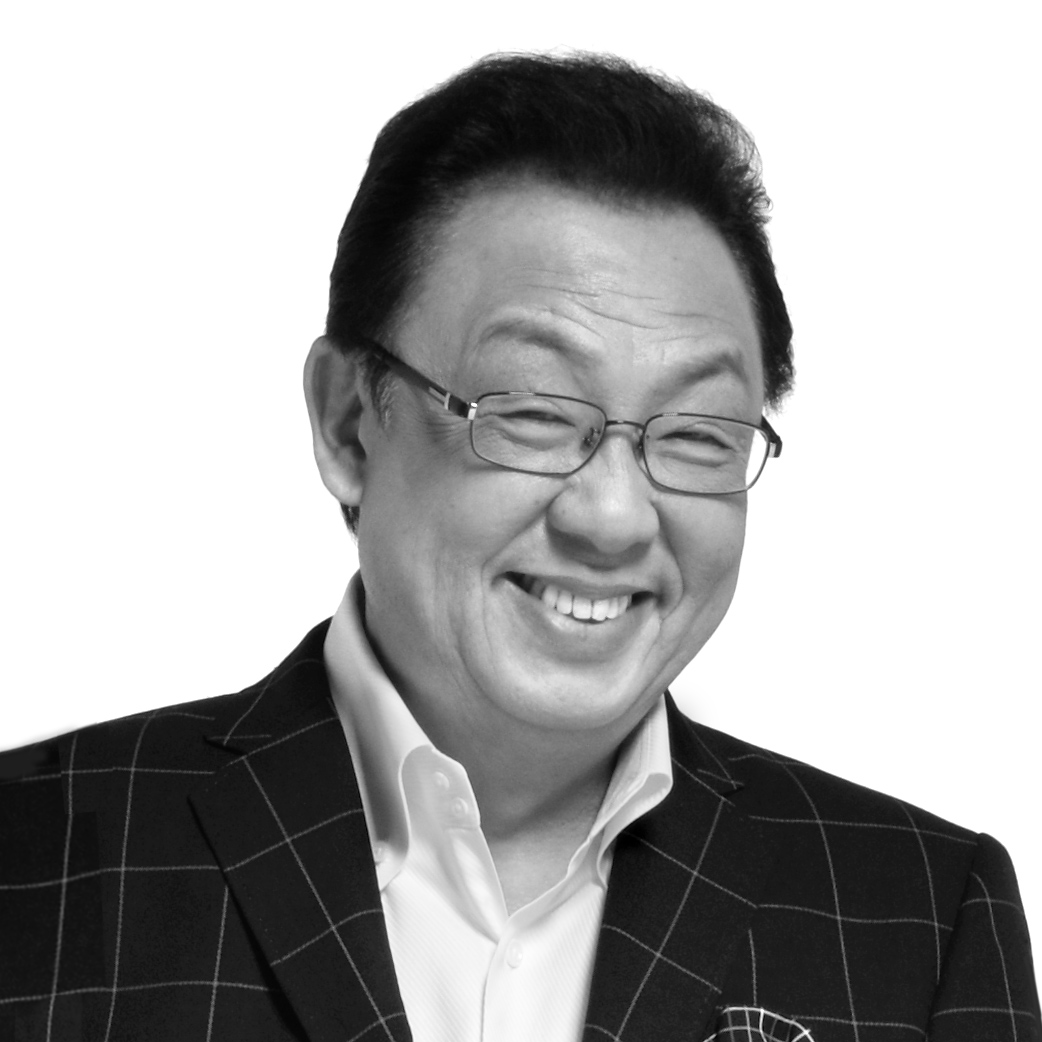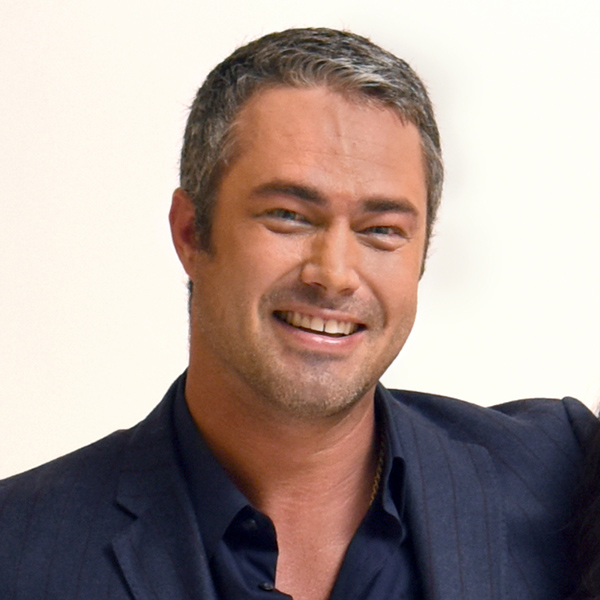




The 44th Online Talk Live: “Present to the Future”
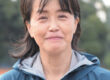
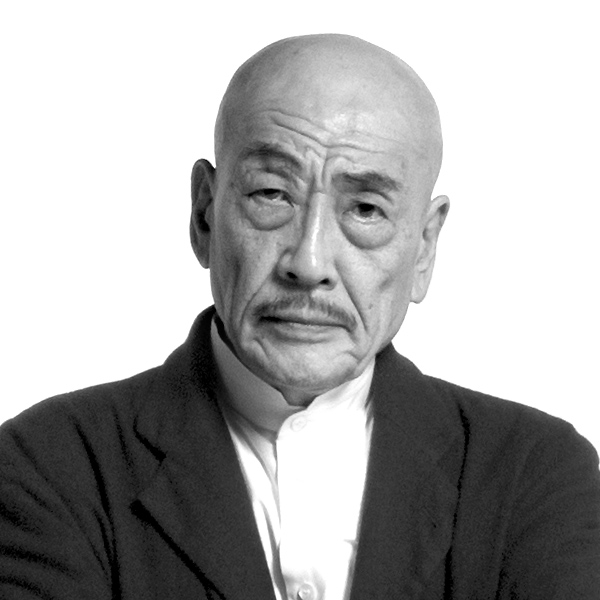
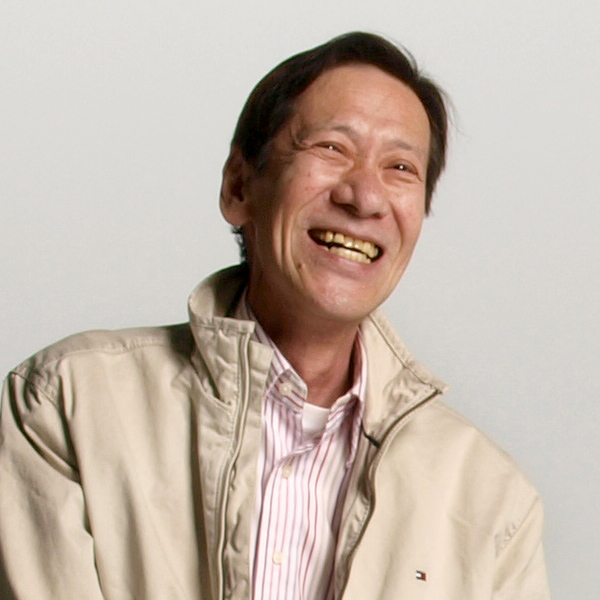
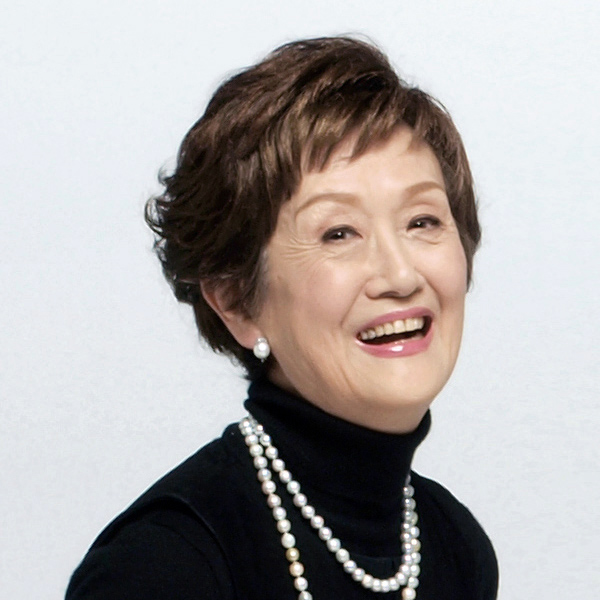
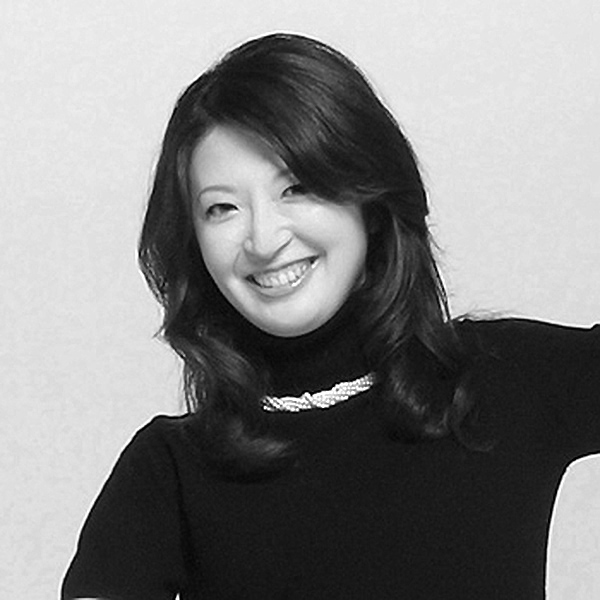
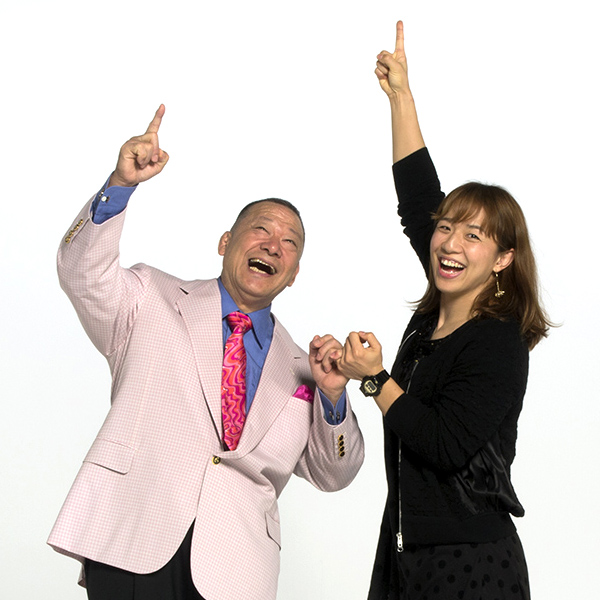
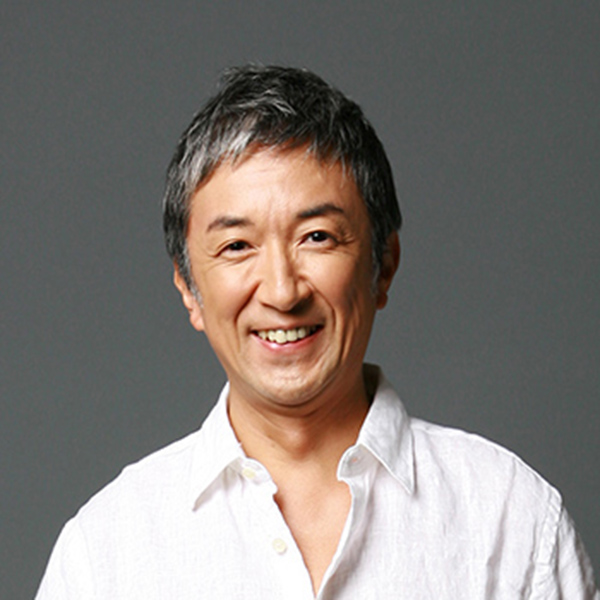
Guests: Toshio Munakata and Mika Munakata (Munakatado bakery)
Host: Satoru Seki (editor, producer)
Hosts: Bruce Osborn (photographer), Yoshiko Inoue (Oyako Day Promotion Committee)
Organized by: Oyako Day Promotion Committee
Streaming date and time: Tuesday, March 31, 2026, from 12:30 p.m. (live stream)
The guests for the 44th Online Talk Live are Toshio and Mika Munakata of Munakatado, a bakery in Okinawa.
This article introduces highlights from the video.
(Watch the video here)
Featuring:
Toshio Munakata / Mika Munakata (Owners of Munakatado)
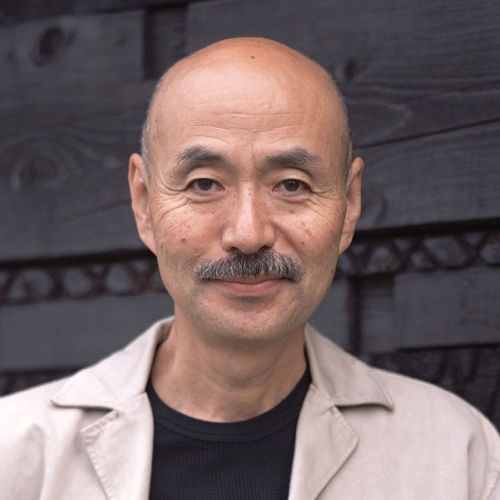
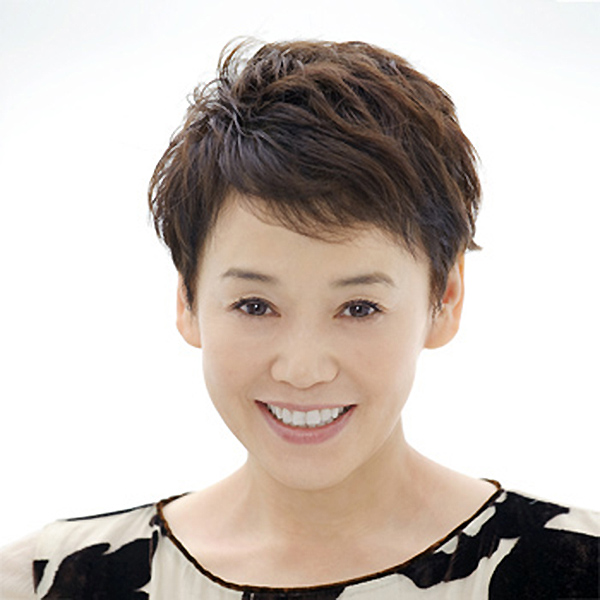
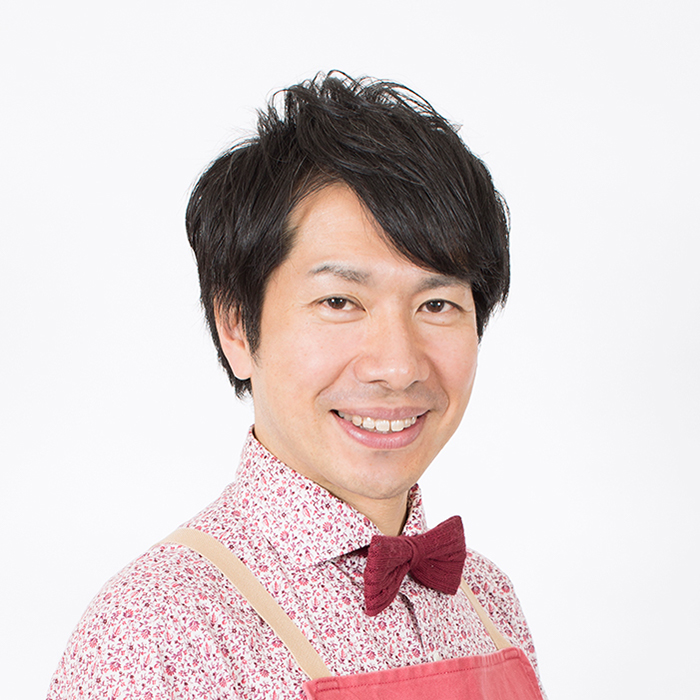
Toshio is from Fukushima Prefecture. After researching microorganisms in graduate school at the University of the Ryukyus, he founded Munakatado. Mika is from Amami Oshima. She moved back from Tokyo to Okinawa to manage the music group Nenes, and then met Toshio. The couple have known Bruce for many years and have taken part in the Okinawa Oyako Day photo sessions several times.
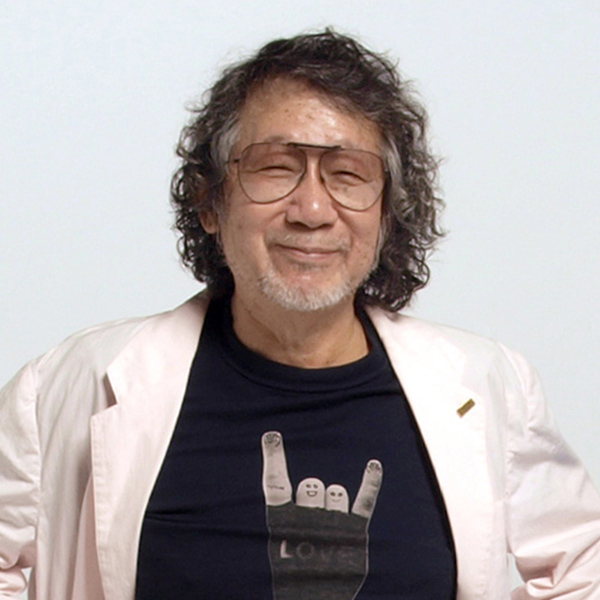
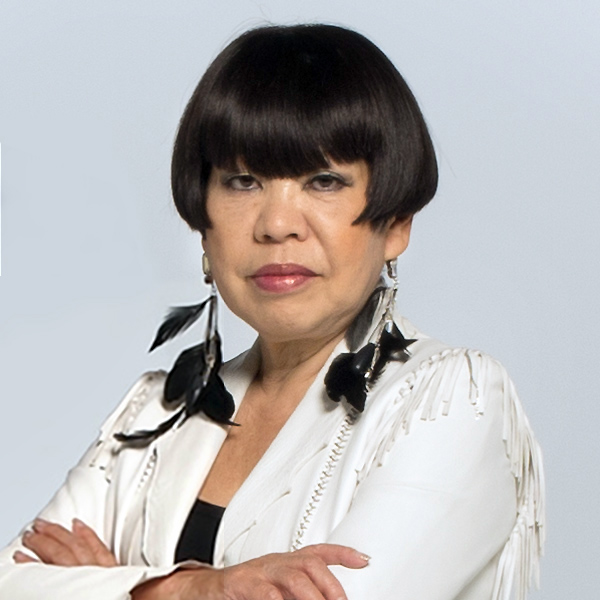
Satoru Seki (Editor, producer)
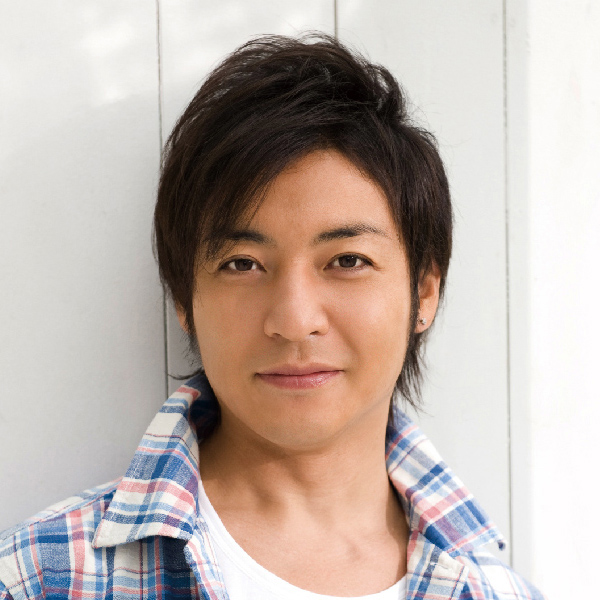
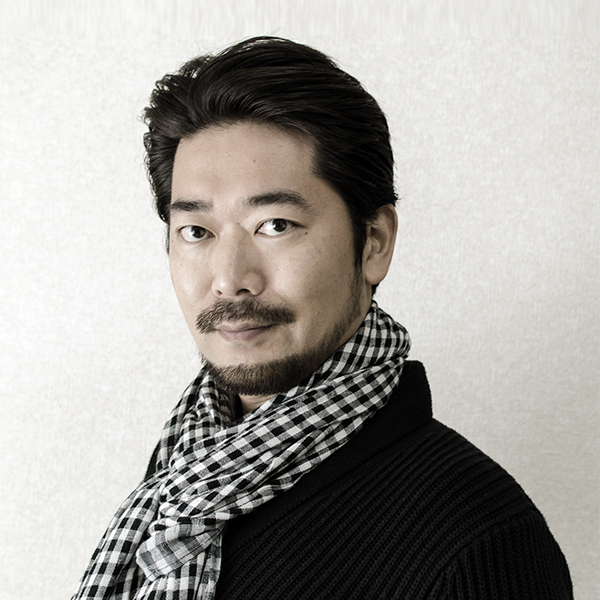
He has been involved in planning and editing culture magazines such as POPEYE, BRUTUS, and Takarajima. He currently also serves as a part-time lecturer at institutions including Nippon Engineering College and as director of the Stimulus Switch Institute. He is in charge of “Seki Satoru’s Movie Oyako-don” on the official Oyako Day website.
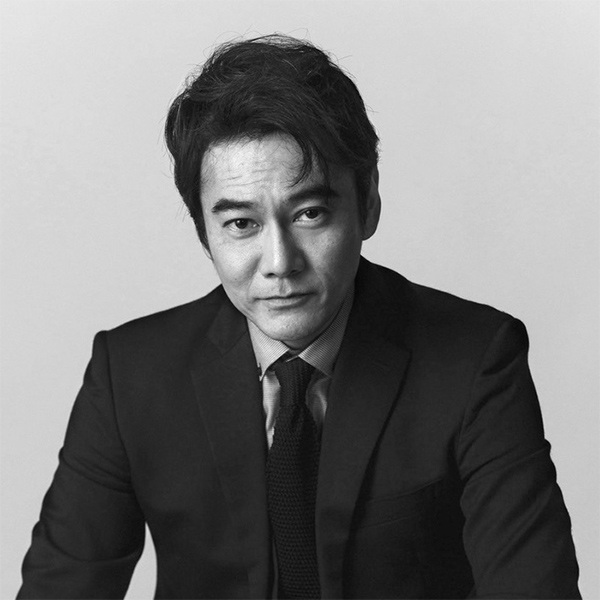
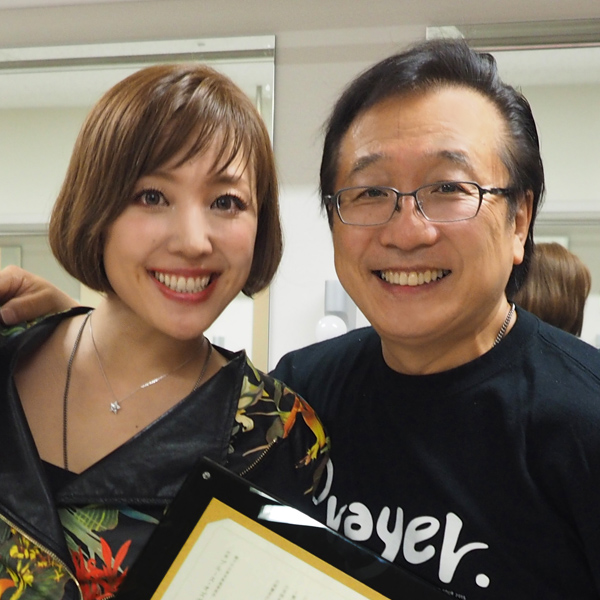
Bruce Osborn (Photographer; originator of Oyako Day)
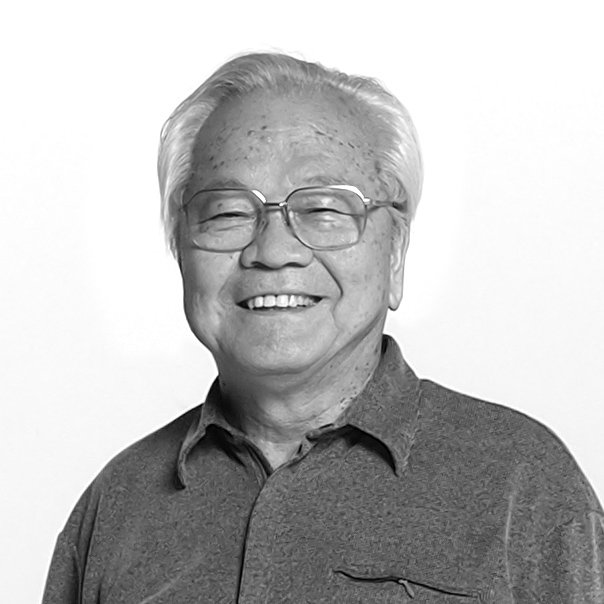
He began photographing parents and children as a theme in 1982. In 2003, he proposed that the fourth Sunday of July be designated Oyako Day. His social activities through photography, including Oyako Day, were recognized with the Higashikuninomiya Culture Award. As an artist, he continues to share the message “Present to the Future.”
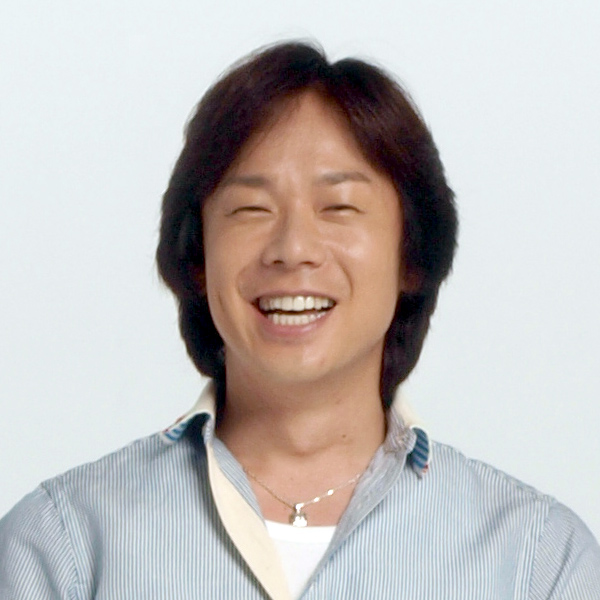
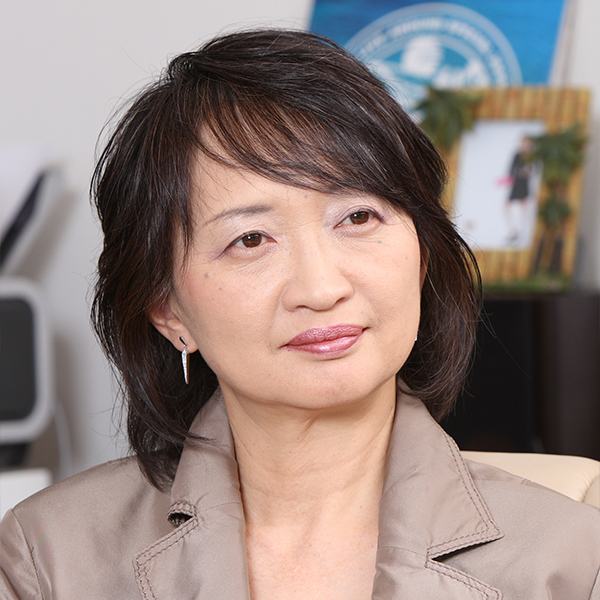
Yoshiko Inoue (Representative of Oyako Day; producer; President and CEO of Ozone Inc.)
As Bruce Osborn’s partner in both work and life, she has produced numerous exhibitions and events.
Introducing the Munakatas: How They Met Bruce
Seki: Hello. It seems to be raining across the country, but here we are with our March 31 online talk. Today we welcome the two people behind Munakatado, a bakery everyone is talking about. Thank you for joining us.
Mika: Thank you for having us.
Seki: You’re joining us from Okinawa. Where did you get to know Bruce and Yoshiko?
Mika: Our family is close to Setsuko Sawada, who helps out with Oyako Day, and that’s how. She invited us, saying Bruce and Yoshiko were coming to Okinawa to photograph parents and children, and suggested we join the photo session.
Seki: So it was through Ms. Sawada.
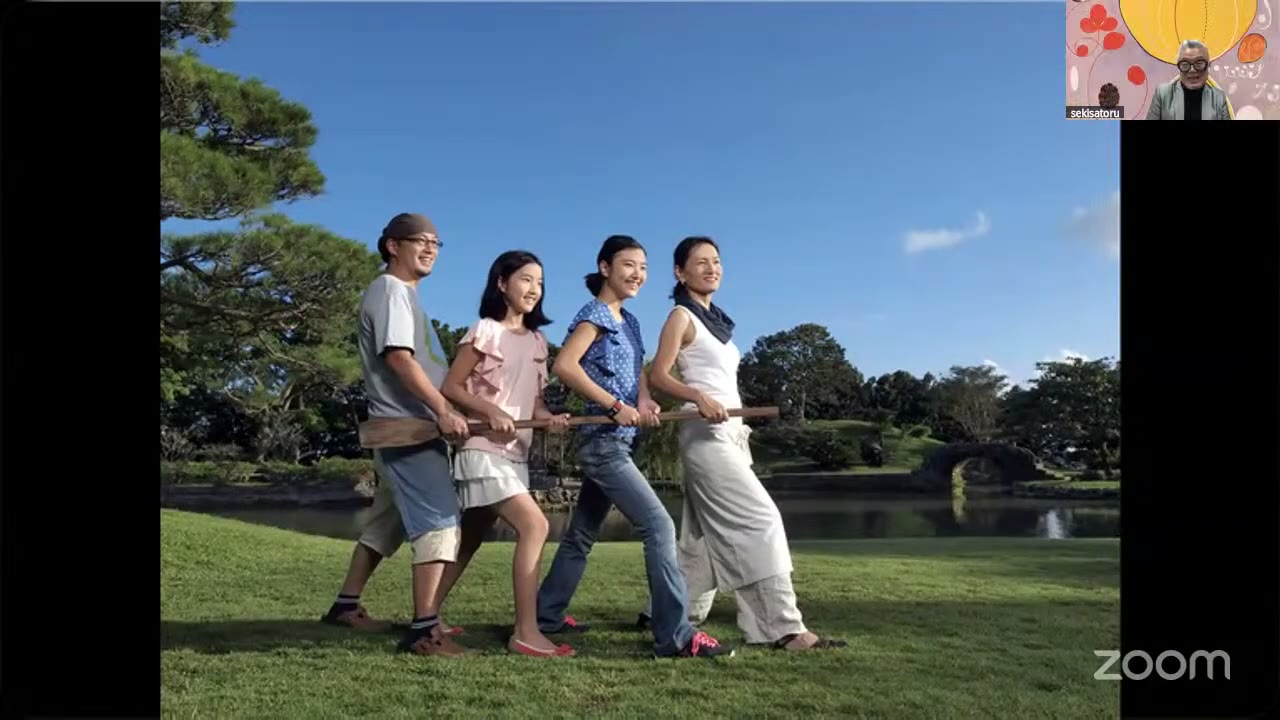
Video 3:42: “The Okinawa Oyako Day Photo Session”
Yoshiko: It was a photo session organized by Oticon, a hearing-aid company that sponsored Oyako Day at the time. Ryukyu Hochoki, a hearing-aid company headquartered in Okinawa, sympathized with Oyako Day and arranged a session at Shikinaen, a place where you can rarely take photos. It was an event that invited Okinawan parents and children to be photographed, and that’s where we first met. The session was great fun.
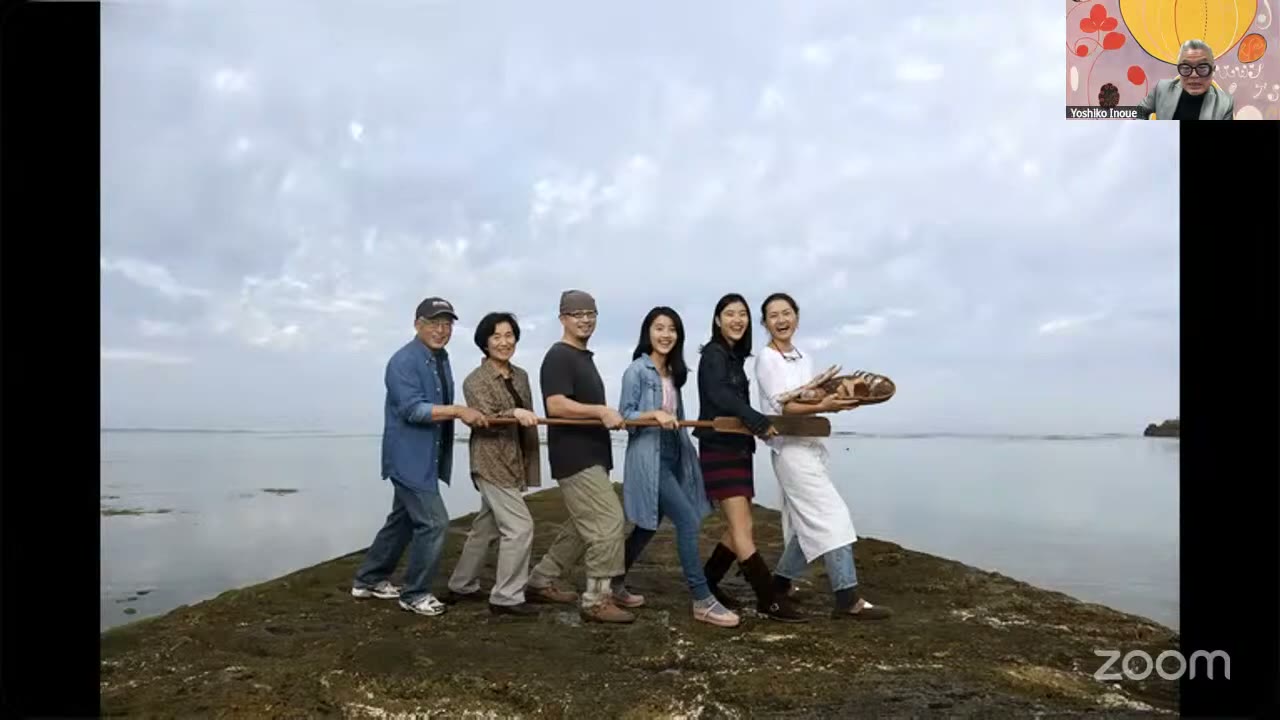
Video 4:43: “With Toshio’s Parents”
Toshio: After the 3.11 earthquake, my parents, who had been living in Fukushima, moved to Okinawa, so they could be photographed with us too.
Mika: Toshio is from Fukushima.
Seki: Where did the two of you meet?
Toshio: We met in Okinawa.
Mika: I’m originally from Amami Oshima. We met after I moved back from Tokyo to Okinawa.
A Meeting Brought About by Music
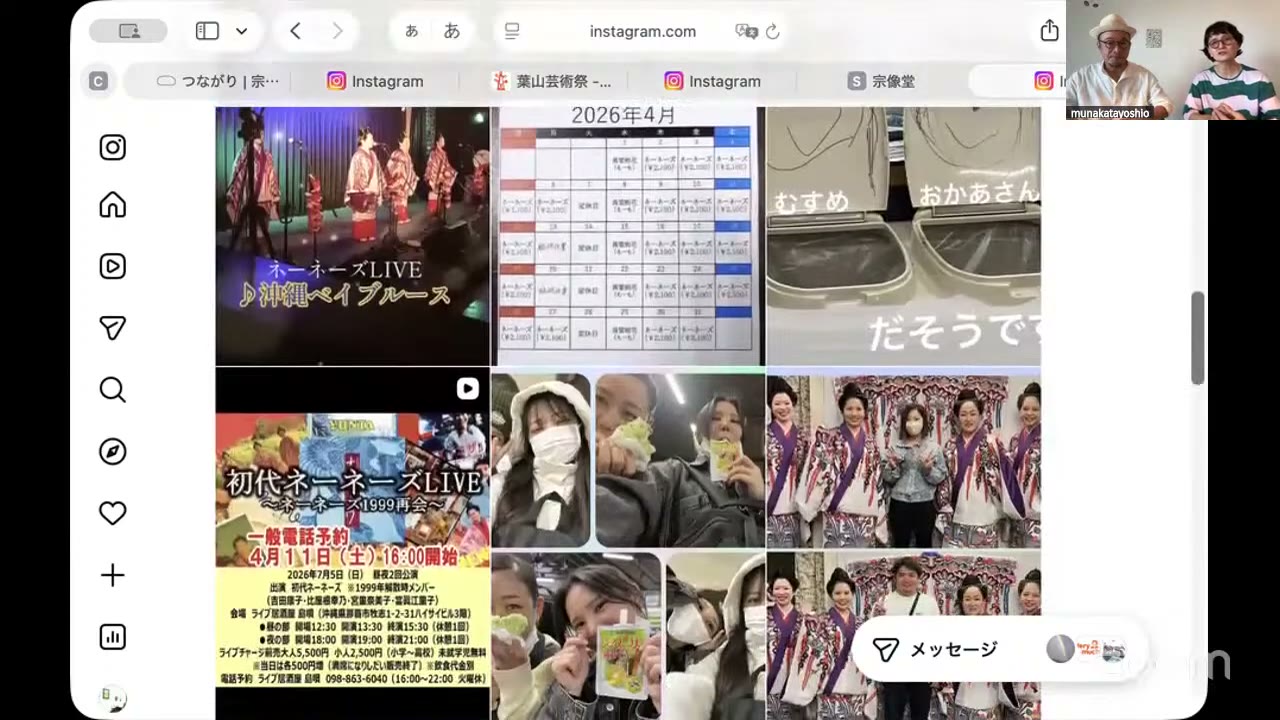
Video 26:38: “Memories of Nenes”
Mika: I moved from Tokyo to Okinawa to manage a group called Nenes, who perform Okinawan folk songs in a pop style. I quit when I became pregnant with our daughter.
Seki: I saw them live in Okinawa too.
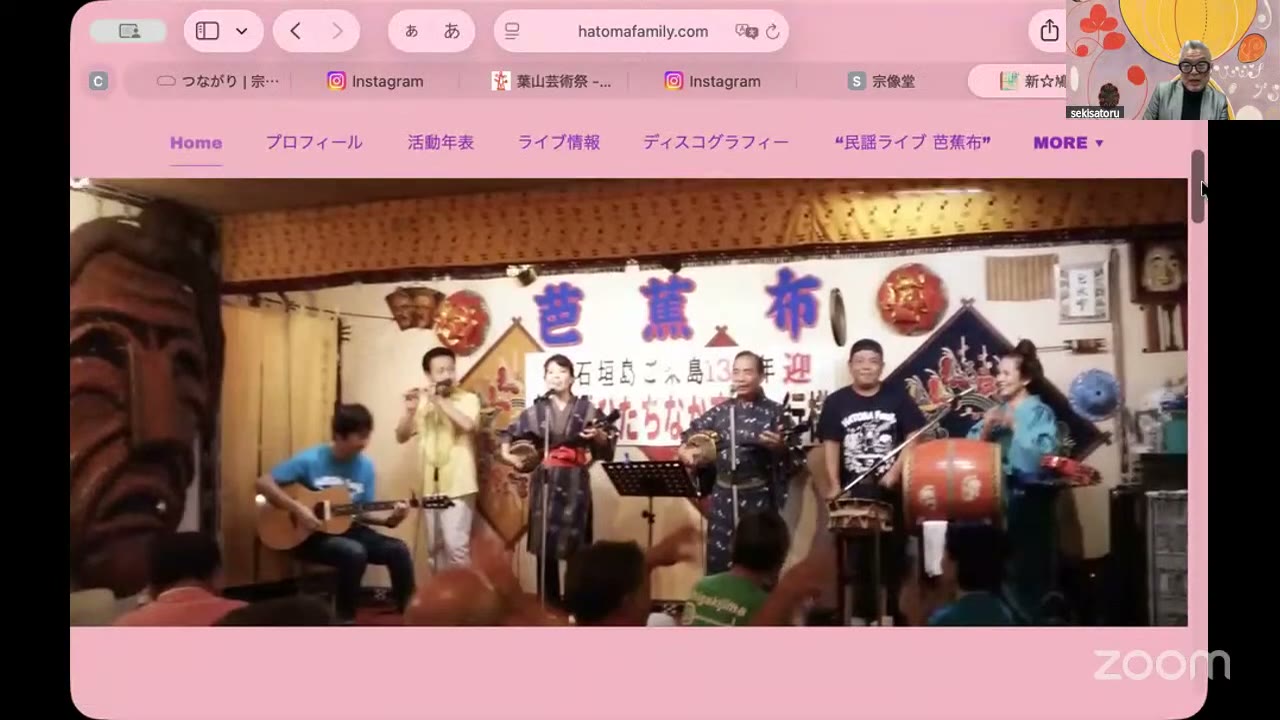
Video 28:27: “Kanako Hatoma”
Mika: Kanako Hatoma, a girl from Hatoma Island who is good friends with Bruce, was with the same agency. Her voice truly touches your heart.
From Researcher to Baker: A Pinball Life
Seki: Toshio, why did you go to Okinawa?
Toshio: I was researching microorganisms, and through a connection I joined a laboratory at the University of the Ryukyus.
Seki: So you were a researcher, working at the University of the Ryukyus. What led you from microorganisms to making bread?
Toshio: I got so absorbed in my microbiology research that it became hard for me to stay at the institute.
While I was at a low point, I met a potter and did pottery for about three years.
Seki: And that leads to the kiln. How clever!
Toshio: I got absorbed again, and developed asthma. When I couldn’t do pottery anymore either, a friend from my research days brought along a monk who baked bread. That’s how I suddenly encountered bread.
Seki: That chemistry is frightening. It changes your life.
Toshio: Without intending to, my life just keeps rolling along.
Seki: And it turned into a great success. I hear Munakatado is famous.
Toshio: I think so. Because everyone is happy with it.
Seki: Did you like bread to begin with?
Toshio: I’d never been into it at all. But I love making things more than anything.
Seki: It’s like the saying about never getting up empty-handed after a fall. Everything led to this path. That’s why it works: it’s the culmination of every element so far. And the question is where you finally end up. It’s true for me too: rather than deciding to do something, you often get nudged along and go bouncing about like a pinball.
Toshio: Running Munakatado, I meet so many people. Lots of fun things happen: encounters, discoveries. When something comes along right in front of you, I think it’s best to savor it to the fullest.
Once Hooked, There’s No Stopping: A Homemade Oven, Wheat, and Coffee Roasting
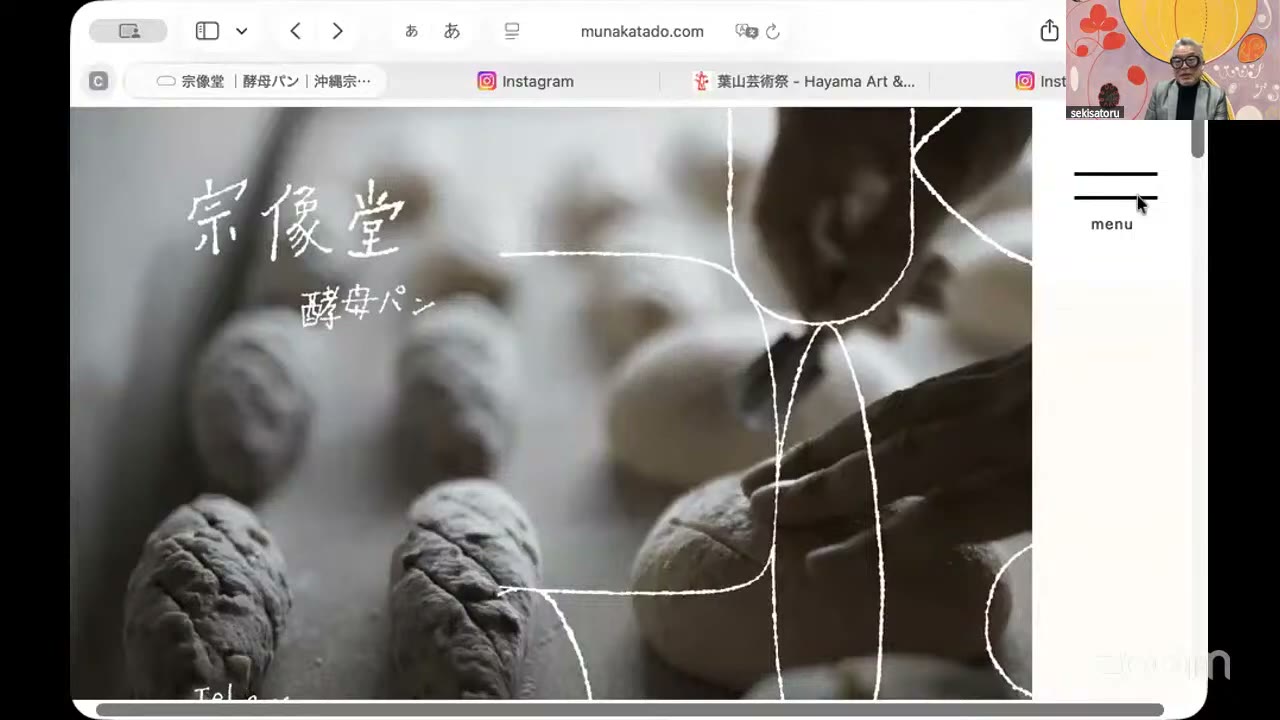
Video 10:04: “Yeast and the Stone Oven”
Seki: Yeast and a stone oven: who would have thought your research would blossom like this? I hear the stone oven is handmade too.
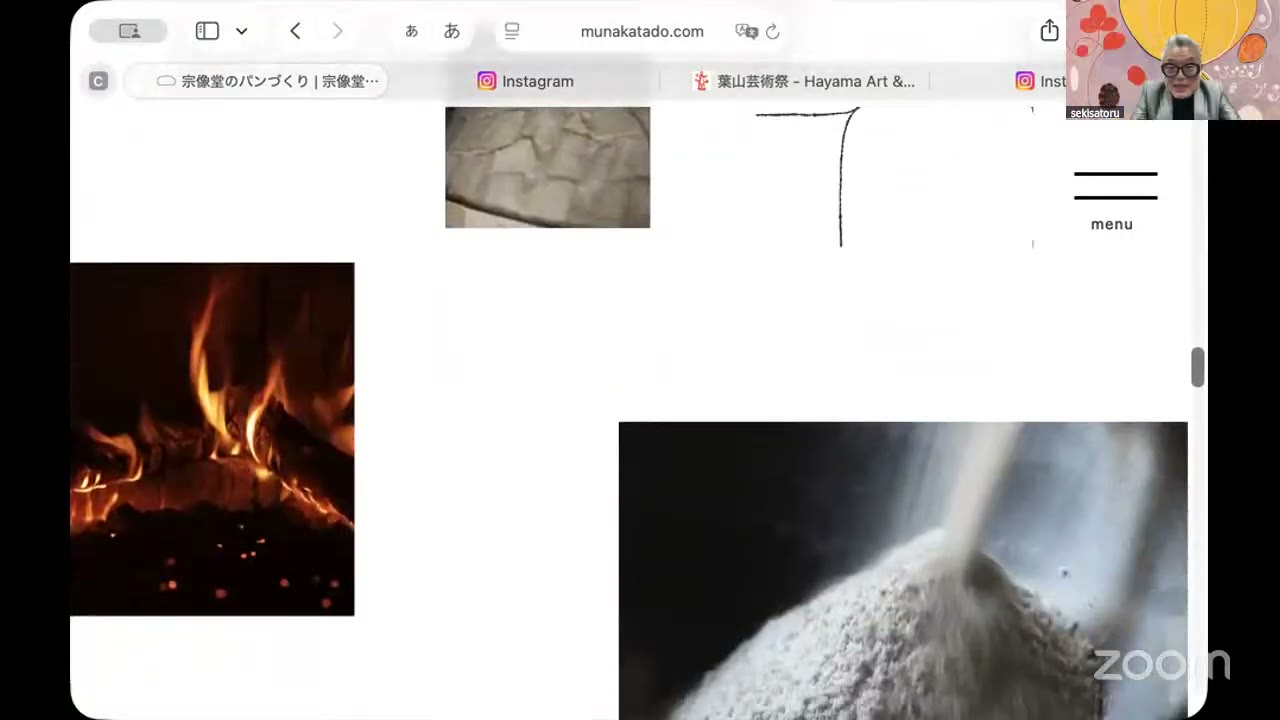
Video 11:02: “The Handmade Stone Oven”
Toshio: At the time I couldn’t find anyone to build a stone oven, so I had no choice but to build it myself. Here too I got absorbed, and built it five times. The first one collapsed after about six months.
Seki: You really are the type who goes all in. Wonderful. What do you plan to do next?
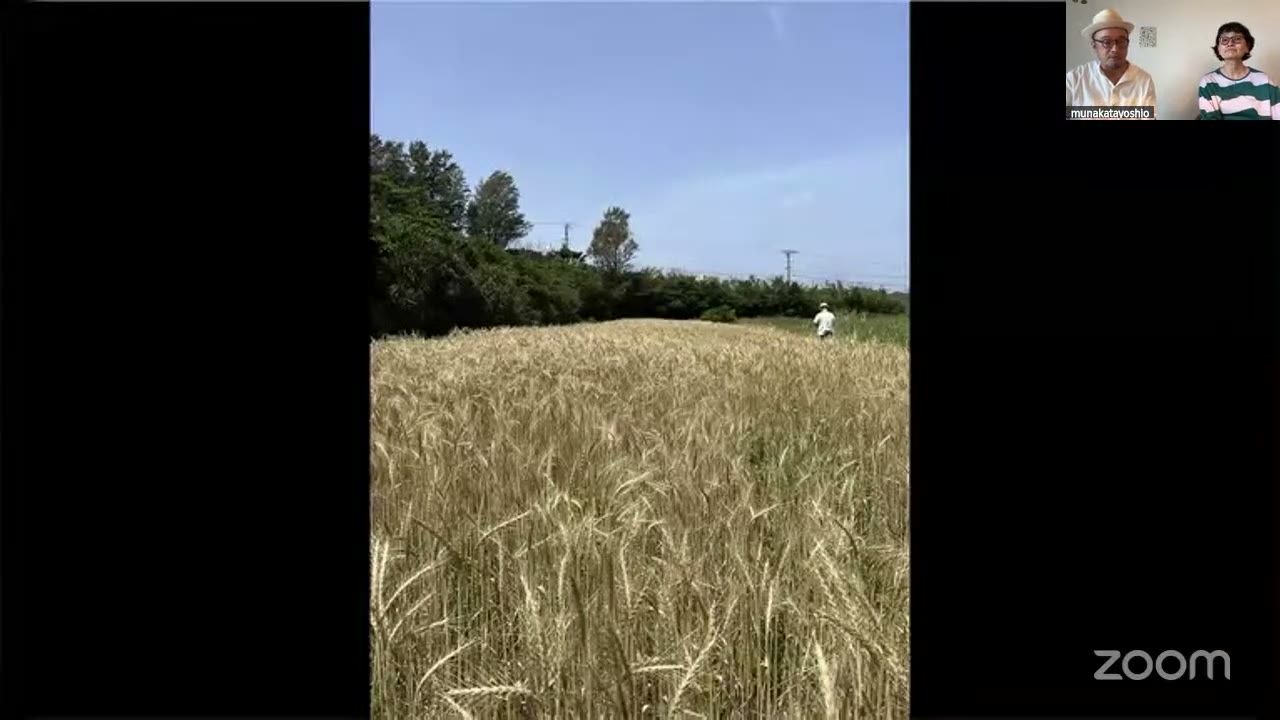
Video 12:47: “An Ancient Strain of Wheat”
Toshio: What I want most right now is farm machinery and farmland. I’m doing joint research with a university professor, trying to grow an ancient strain of wheat with large husks. It’s a variety that birds don’t eat. Small birds can’t reach the core of the grain, so you can harvest it. Ancient strains have a very appealing flavor.
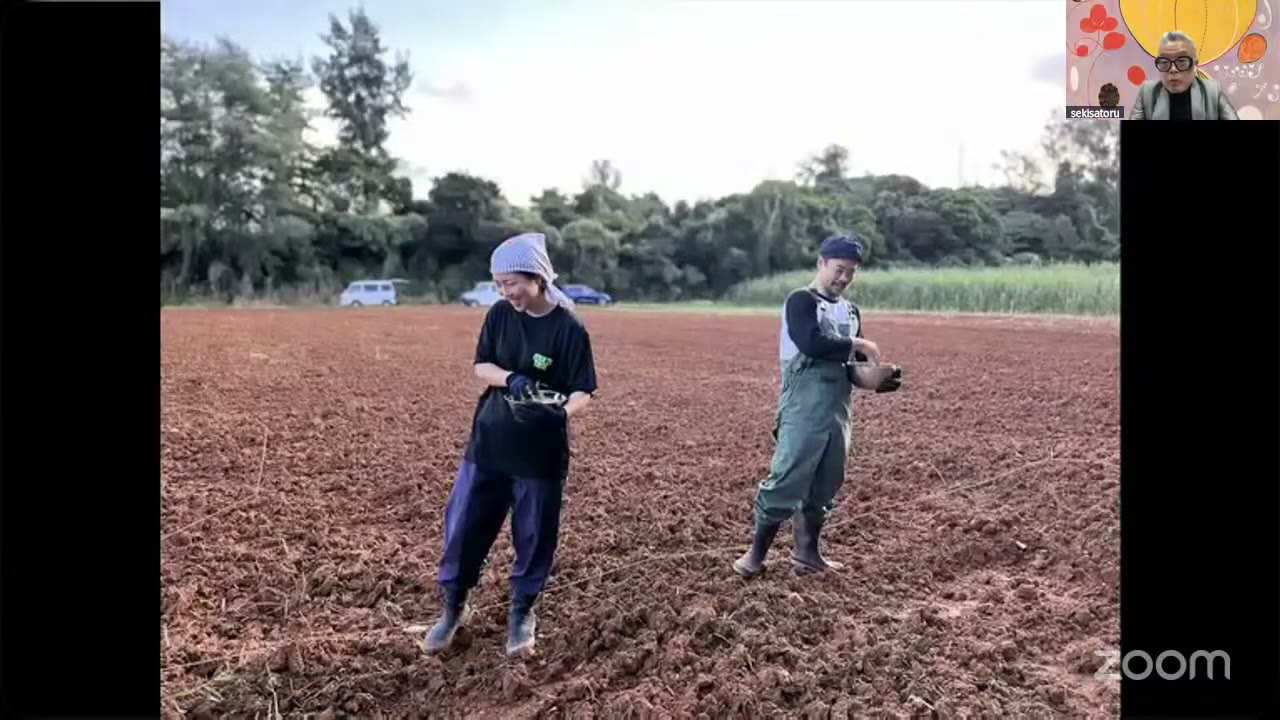
Video 12:58: “The Wheat Field”
About eleven years ago, birds ate around two tons of our wheat right in front of me. The field was stripped bare and we couldn’t harvest. When I consulted a senior farmer, he introduced me to the professor, and we started. But once I actually began growing it in the field, my feelings about the bread dough changed completely. I got even more absorbed and can’t stop now. I want to be able to harvest much more.
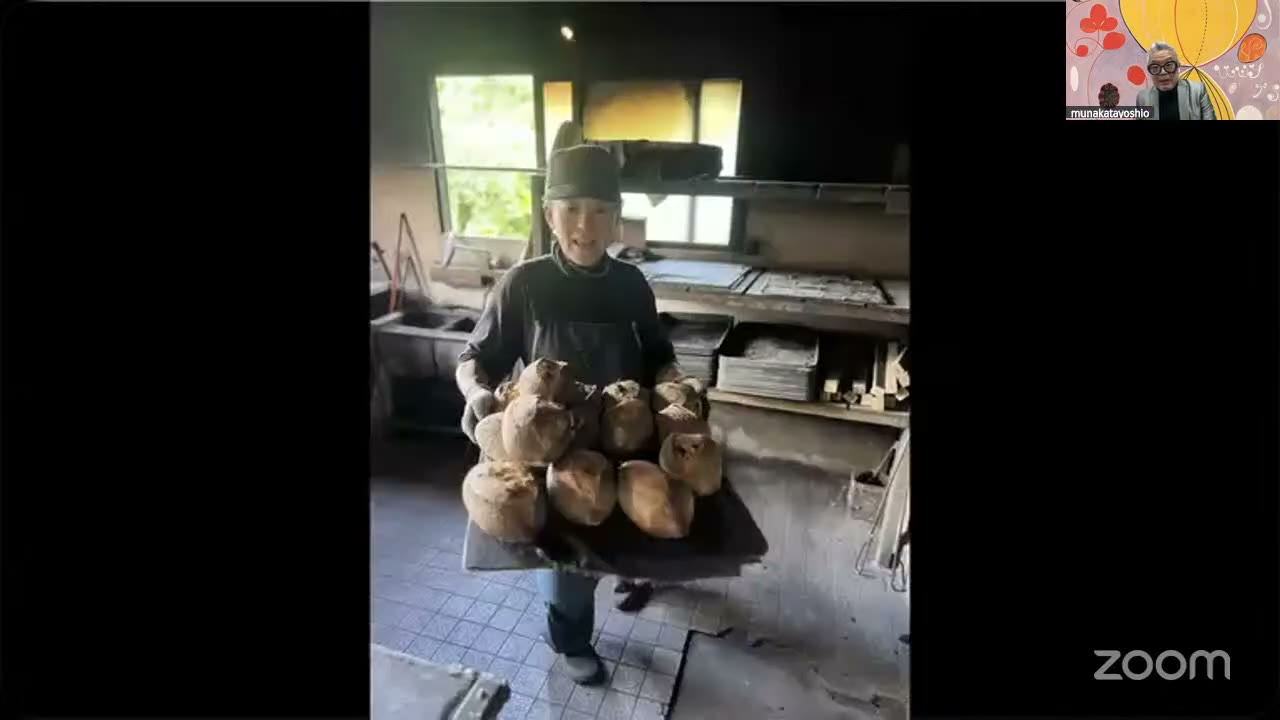
Video 12:06: “Bread Made from the Wheat Up”
Seki: Some people just import the flour, but there can’t be many who start from the wheat itself, can there?
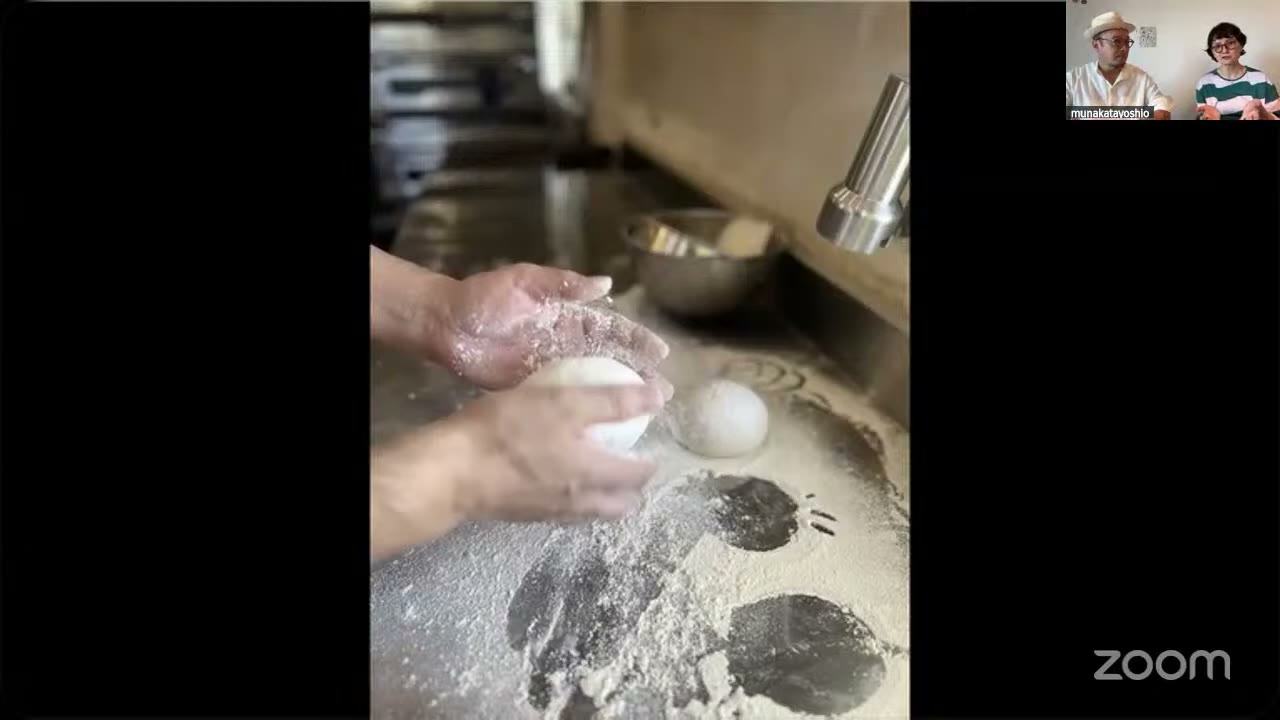
Video 13:27: “Home-Grown Flour”
Mika: Not every bread contains flour from the wheat we grow ourselves. We can only harvest a little so far, so it’s just some of them. We use it as whole-wheat flour or as whole grains, blended with wheat from Kyushu.
Toshio: I want to gradually increase the share of our own wheat.
Seki: The more I hear, the more impressed I am.
Mika: We also roast coffee in the stone oven. It grew out of a love for it.
Seki: This is it, the roasting.
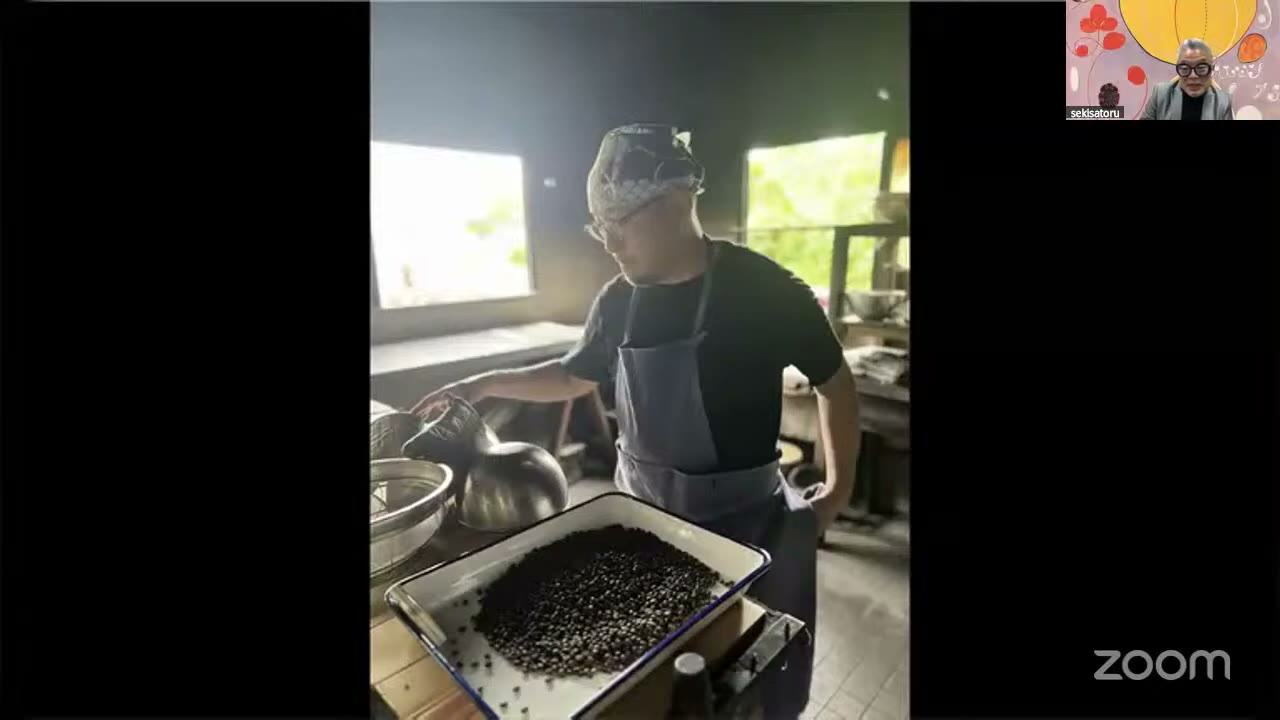
Video 16:44: “Roasting Coffee in the Stone Oven”
In a Forest Where Woodpeckers Live
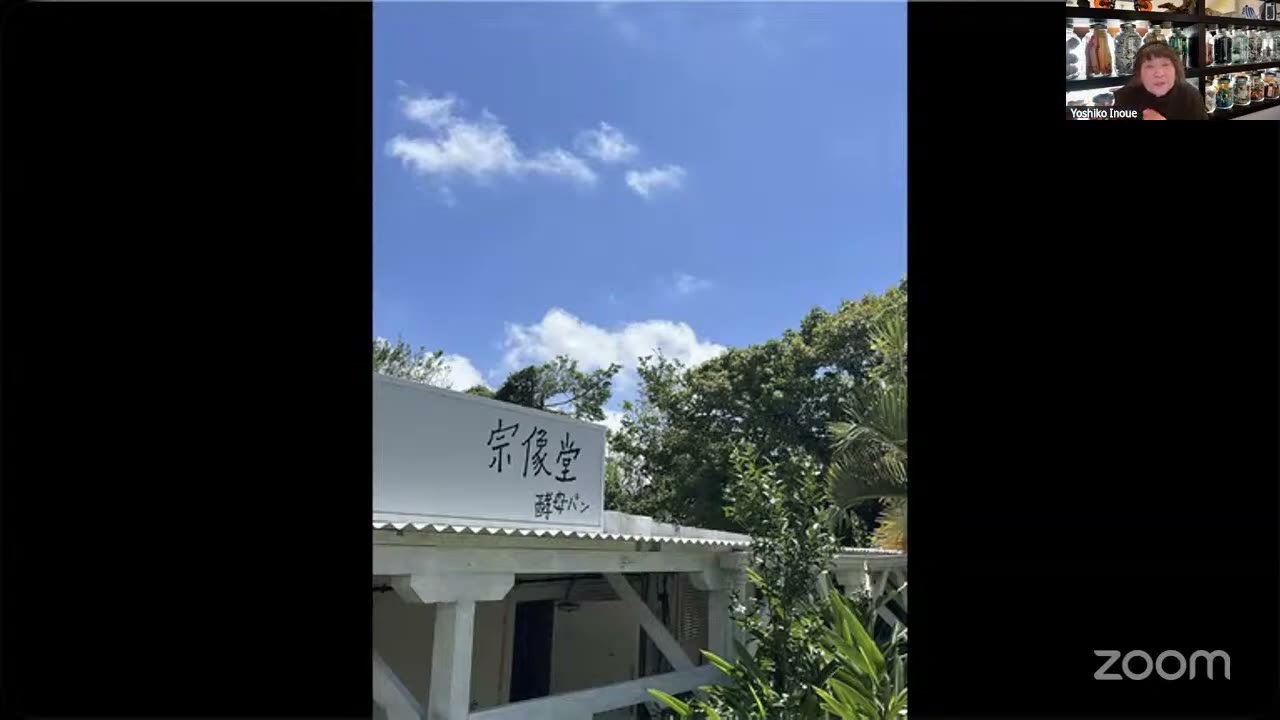
Video 15:00: “Munakatado Among the Greenery”
Seki: I hear the shop is tucked away among the greenery, in a hard-to-find spot.
Mika: It’s a little hard to find even with a GPS. In the middle of a residential area, just that one spot is full of greenery.
Toshio: Since last year, a woodpecker has been living in the banyan tree out back.
Video 16:00: “The Banyan Tree Out Back”
Bruce: But everybody knows where it is.
Yoshiko: It feels so good there, and the air is different. The drinks are delicious too. It’s a place where lots of people gather.
Mika: From the start we divided things: he’s the one who makes, I’m the one who sells. Otherwise I thought we’d end up fighting. I take care of all the odd jobs other than making the bread.
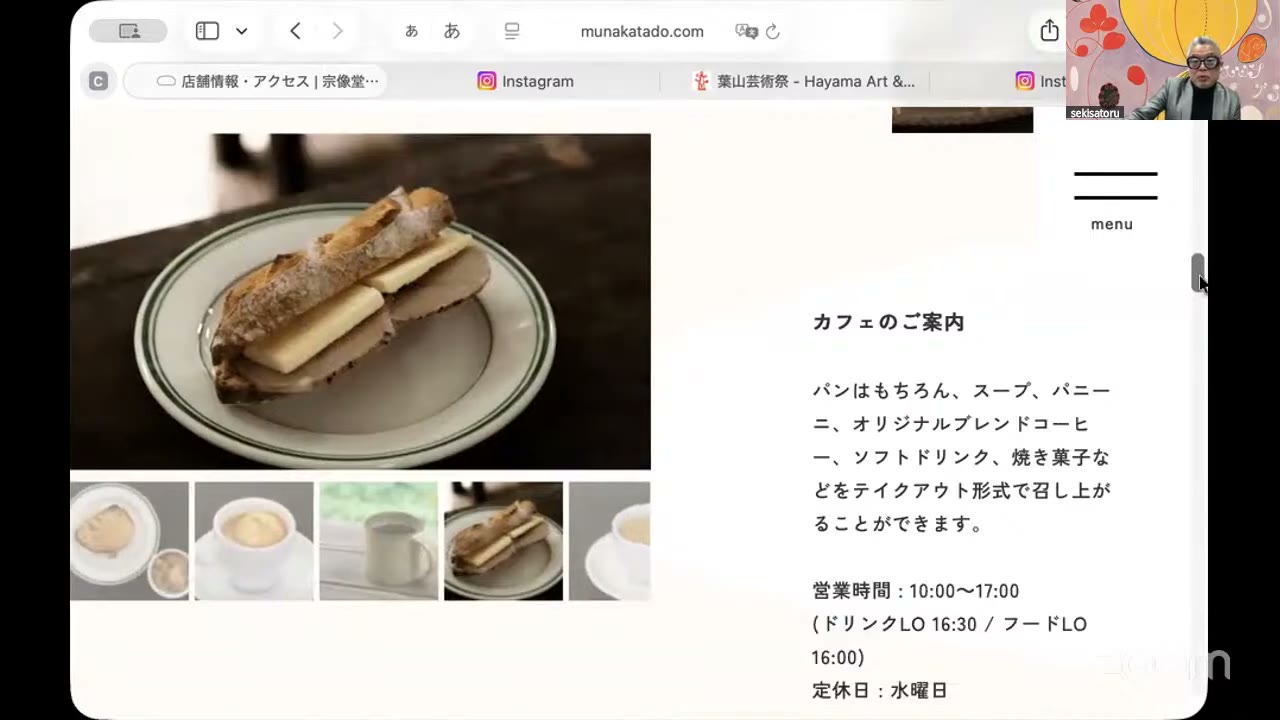
Seki: Your sense comes through in the website and the logo. There’s a wonderful contrast between the handmade feel and the photography.
Toshio: I like people. I’m glad the bakery has become a place that can welcome all kinds of people.
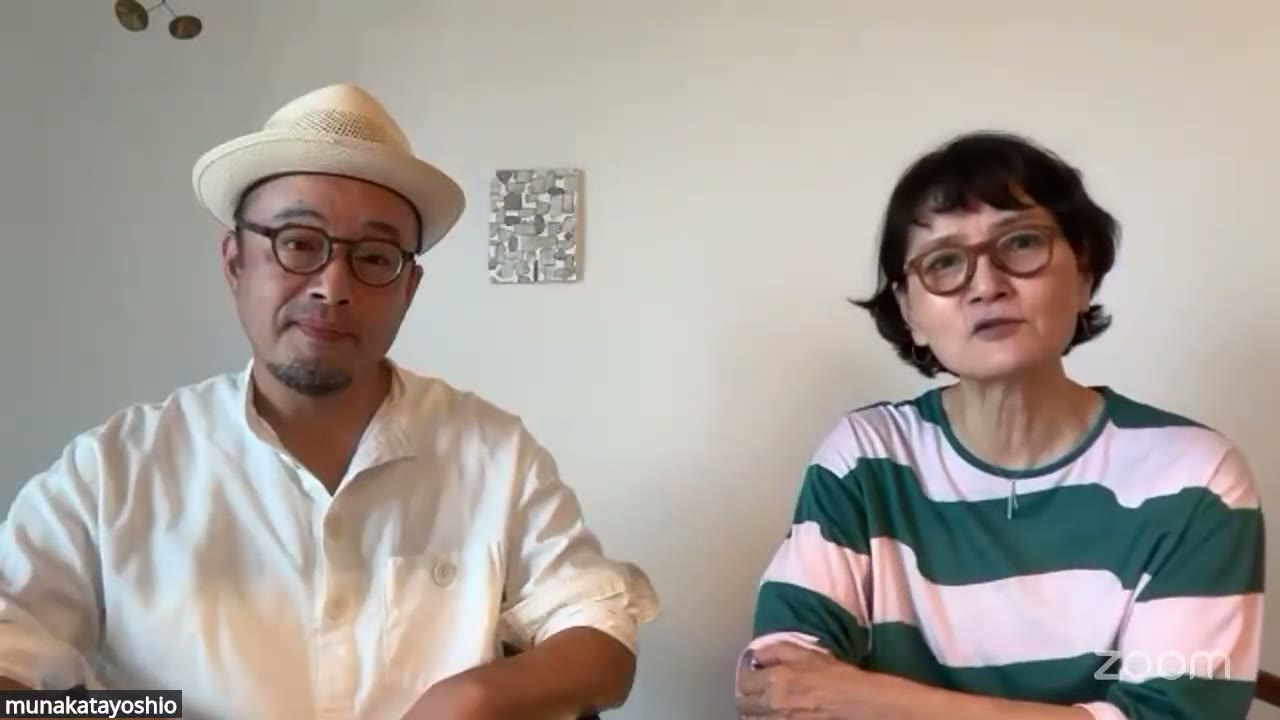
Video 17:09: “The Maker and the Face of the Shop”
Seki: The maker and the face of the shop. A wonderful pair of wheels. You can order the bread from Tokyo too, can’t you?
Mika: That’s right, by mail order.
Seki: And it’s good for your health.
Mika: Of course.
Former Staff Run Popular Bakeries: The Munakatado Philosophy and Training People
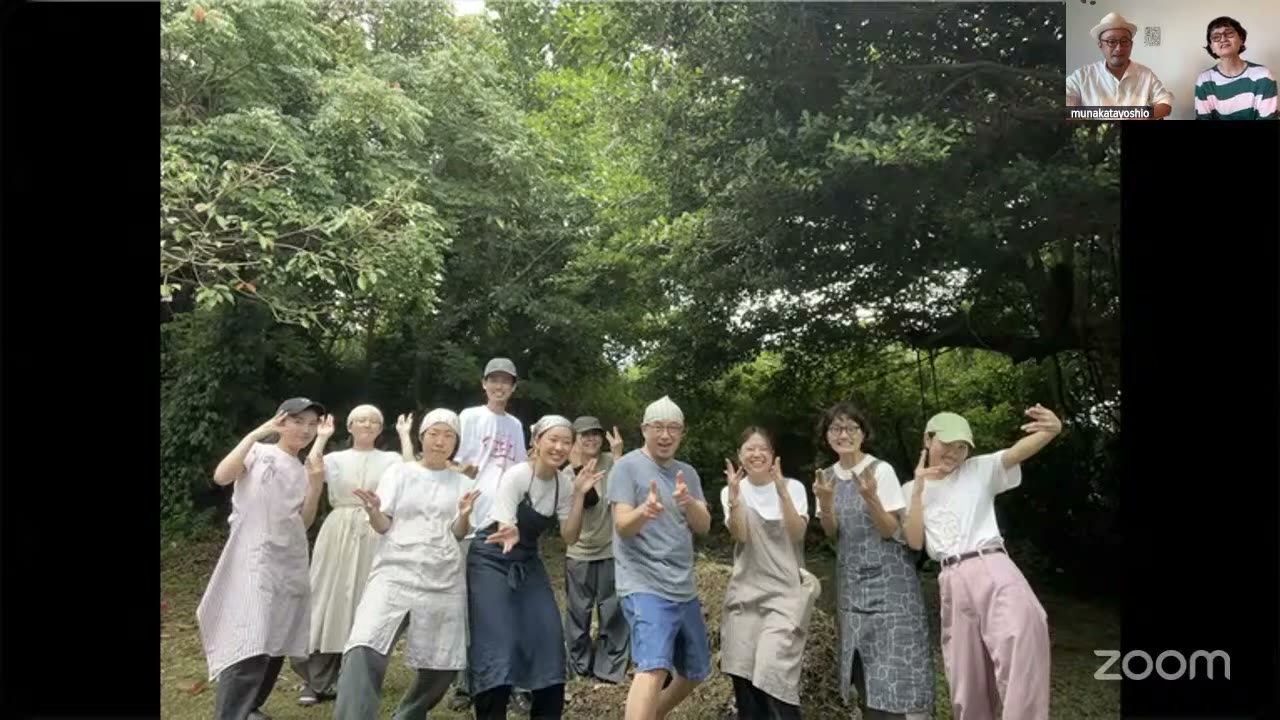
Video 17:53: “Staff and Trainees”
Mika: The photo shows our staff and the trainees we take in. People have even come from Taiwan. It’s a short program of four days, but rather than acquiring techniques, it’s about taking home something like a philosophy.
Toshio: People who run their own bakeries, or people who’ve never touched dough but want to try. We’re a bakery with a lot of information to share, so they seem to enjoy being able to ask all sorts of things.
Seki: There must be a lot to learn. What matters most to you?
Toshio: How I am as a person, I suppose. I think the heart of it is the attitude you bring to your work. I hope that comes across.
Seki: Won’t Munakatado expand nationwide?
Mika: We won’t expand nationwide. But many of our staff have gone out on their own: there are two shops in Tokyo, one in Nagasaki, and three in Okinawa. Each one is an original shop of its own.
Toshio: My feeling is that they can pick up the good parts of our essence. The shops run by former staff get featured in magazines, sometimes together with us. They all become popular.
Seki: So your philosophy lives on. With ideas that thorough, you can’t lose to anyone.
Bruce and the Hayama Art Festival
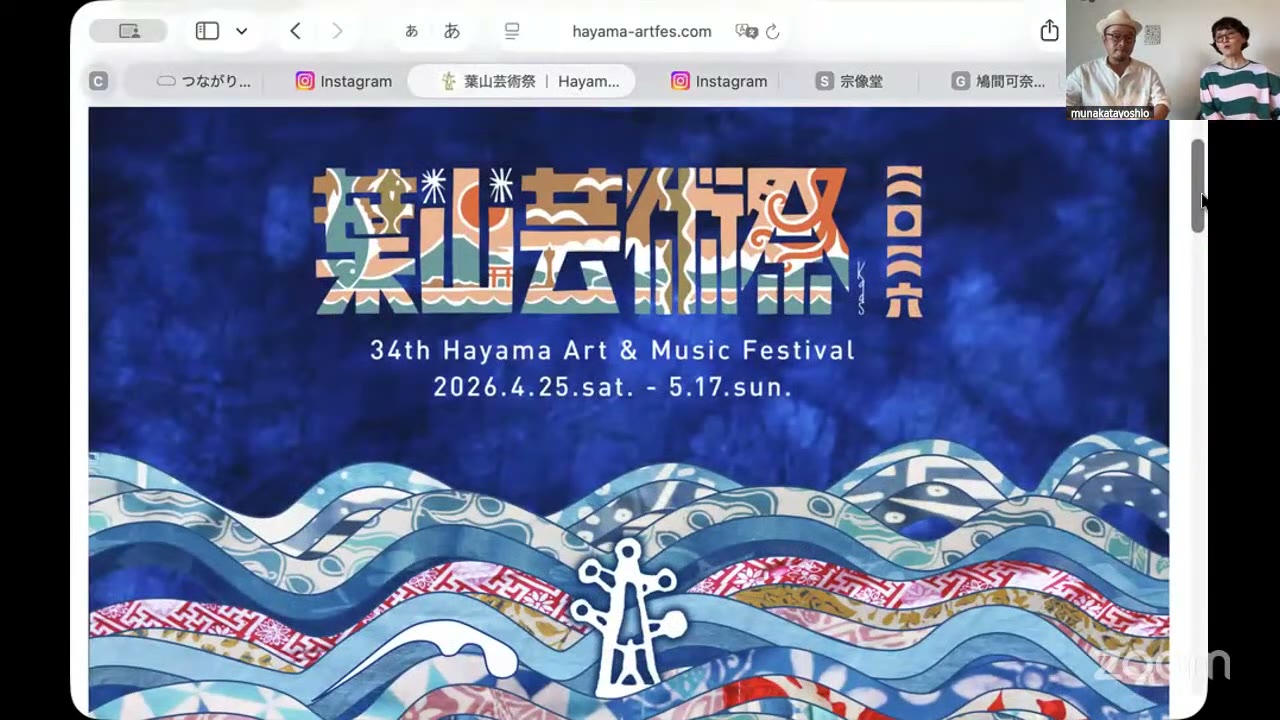
Video 34:35: “Hayama Art Festival Announcement”
Seki: Yoshiko has an announcement.
Yoshiko: There’s an art festival in Hayama from April 25 to May 17, and Bruce is taking part. Please check the website, and do come.
Seki: Being Hayama, it must be relaxed and pleasant.
Bruce: We’ll do a photo session too, on Children’s Day.
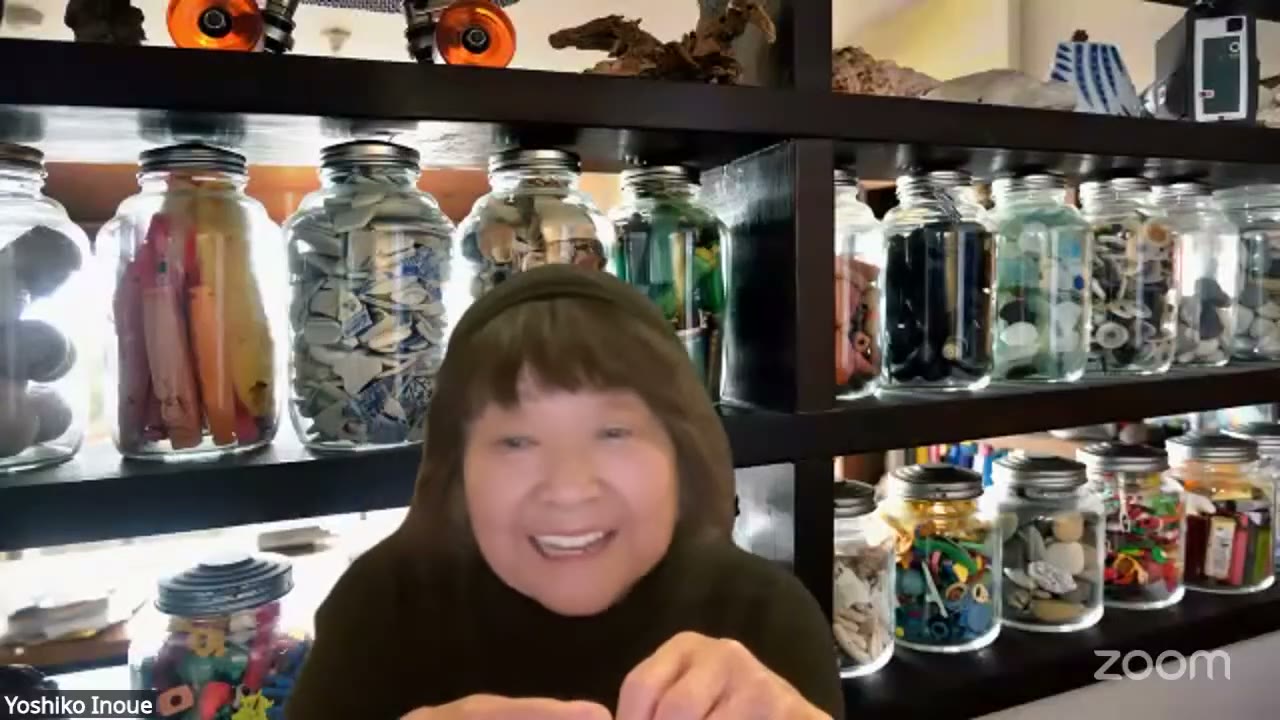
Video 35:21: “Flotsam from the Beach”
Mika: Please tell us about the bottles lined up behind you, Yoshiko.
Yoshiko: This is a photo, but they’re pieces of driftwood and flotsam we picked up on the beach. They liven up our living room as decoration.
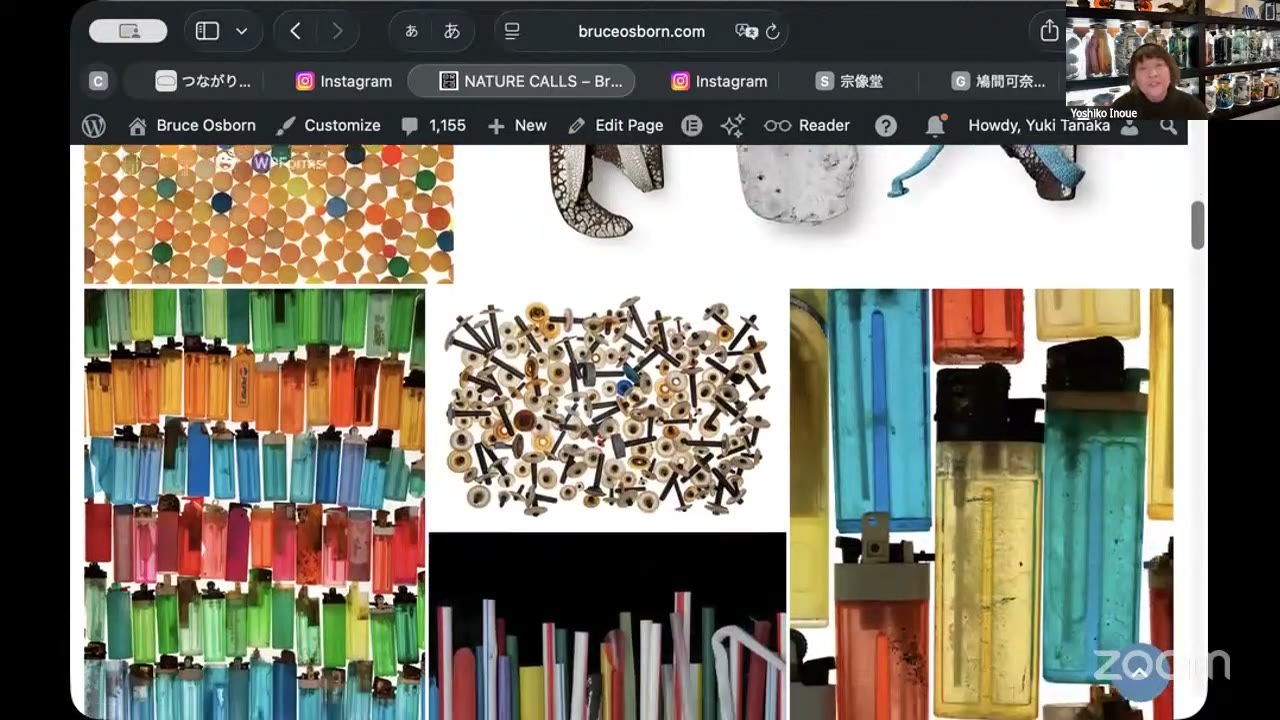
Video 35:49: “The Exhibition at the Imperial Hotel”
Seki: Bruce’s photographs of objects he found washed up on the shore were also shown in the gallery at the Imperial Hotel. Exhibited in a place that’s like Japan’s front door. That was exhilarating.
Toshio & Mika Munakata’s “Present to the Future”
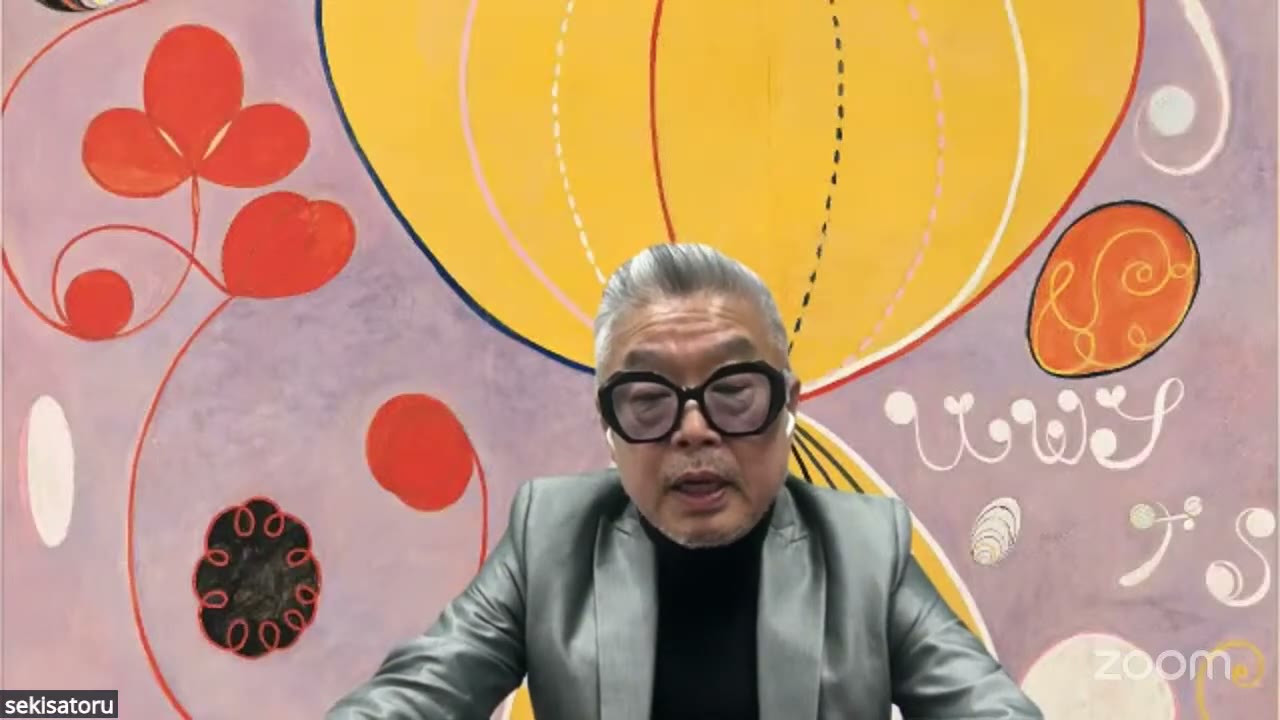
Video 37:55: ““Failure Is Just Data””
Seki: We’d like to hear your Present to the Future.
Toshio: We work with fermentation, and we’ve always been nurturing things like wheat and family, spending time and energy on them. We deal only with things that don’t show results except over a long span, so this is our message.
Seki: “To raise something precious, you need to give it your heart, your time and your energy.” In other words, it can’t be done overnight. All your past failures, and everything you’ve raised while drifting along, come together here. You don’t give up.
Toshio: That’s right. Failure is just data.
Seki: Spoken like a true researcher. Everyone watching, please do try Munakatado’s bread. Thank you both so much for your time today.
Toshio & Mika: Thank you very much.