


The 43rd Online Talk Live: “Present to the Future”
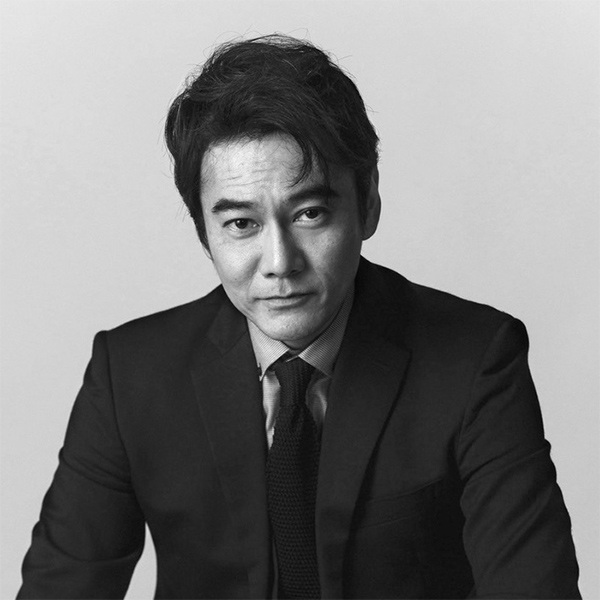
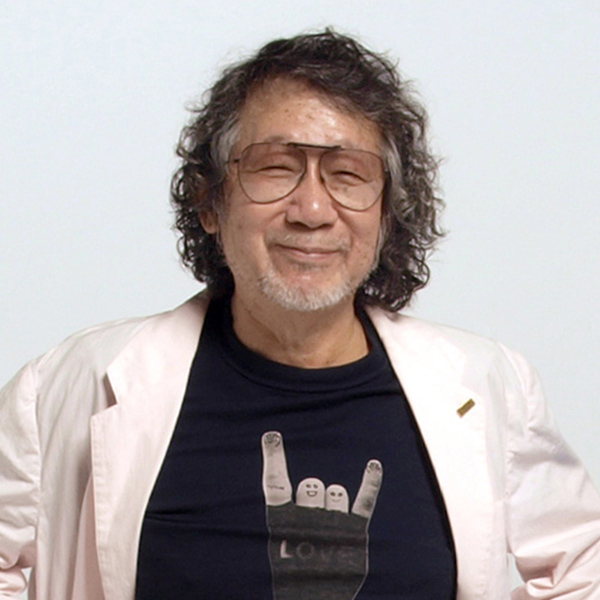
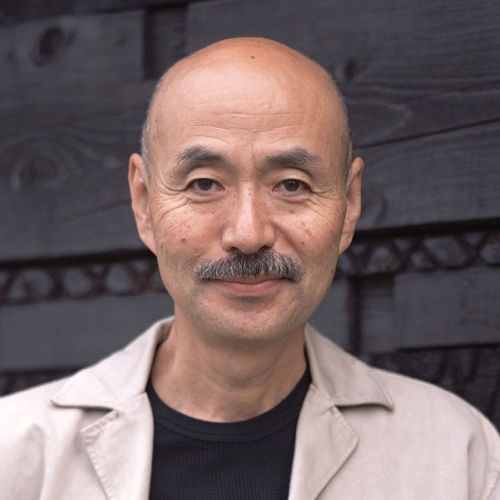
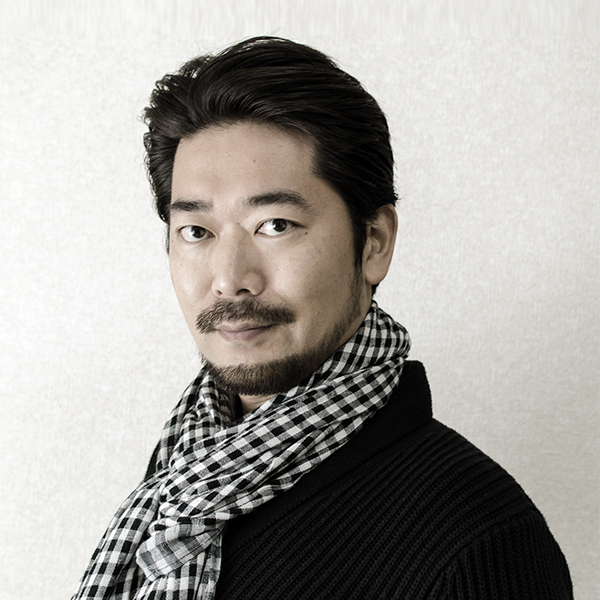
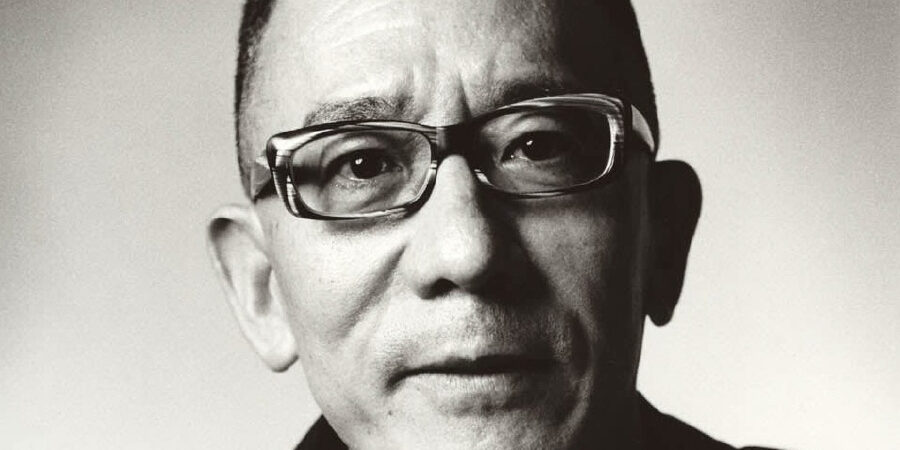
Guest: Naoki Sakai (conceptor; CEO of Water Design Inc.; Chairman of Speedy Inc.; and more)
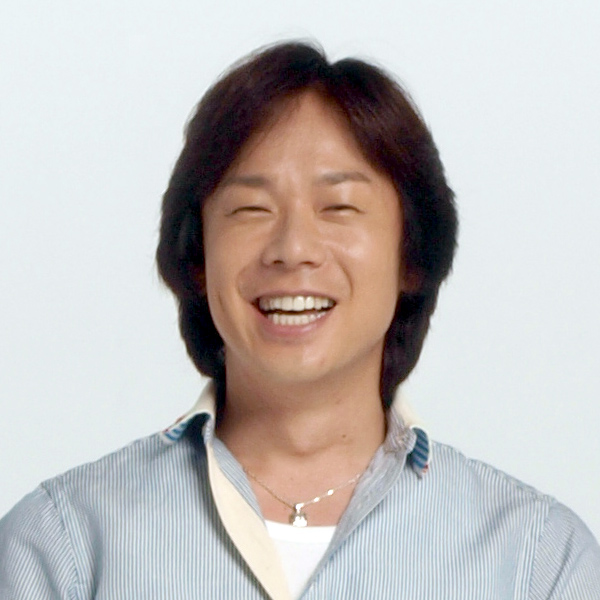
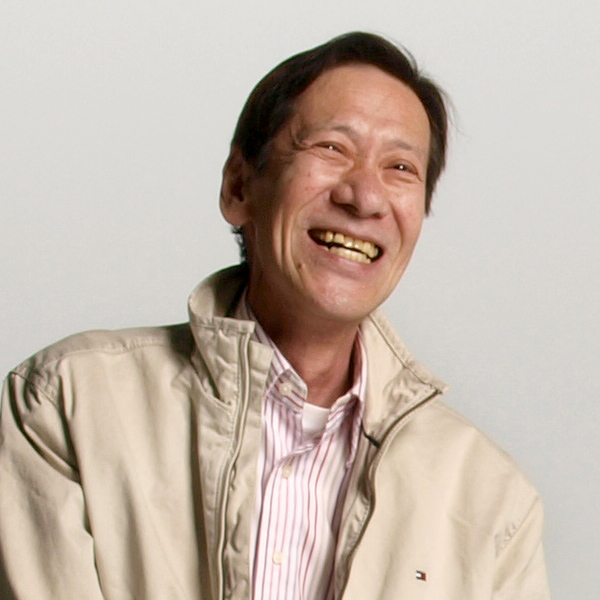
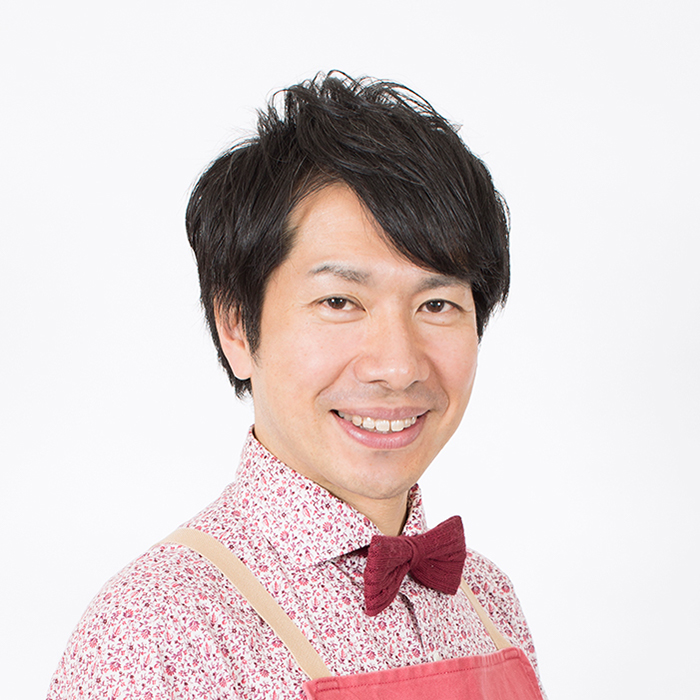
Host: Satoru Seki (editor, producer)
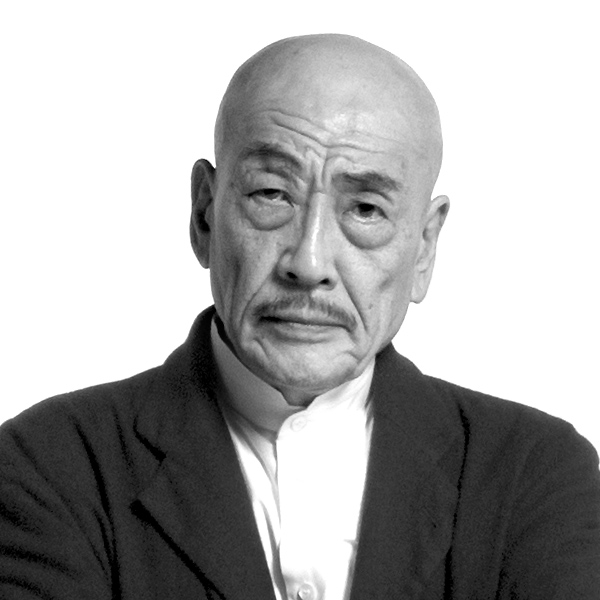
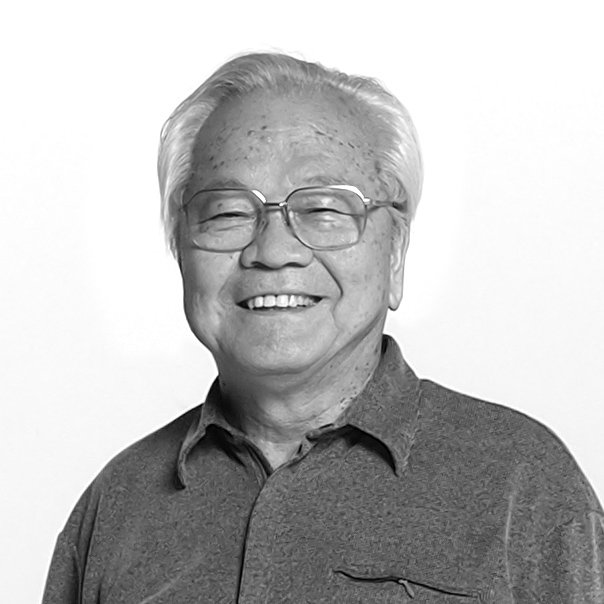
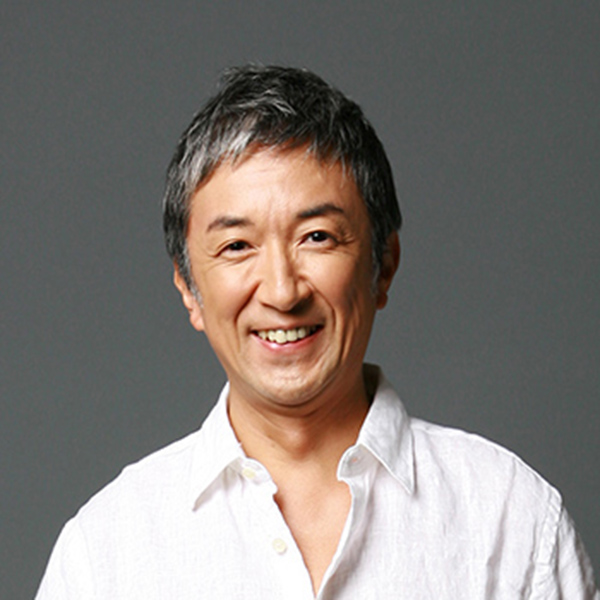
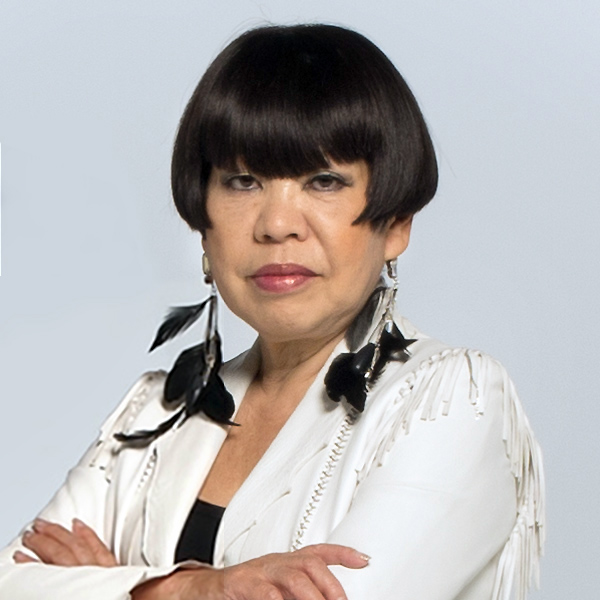
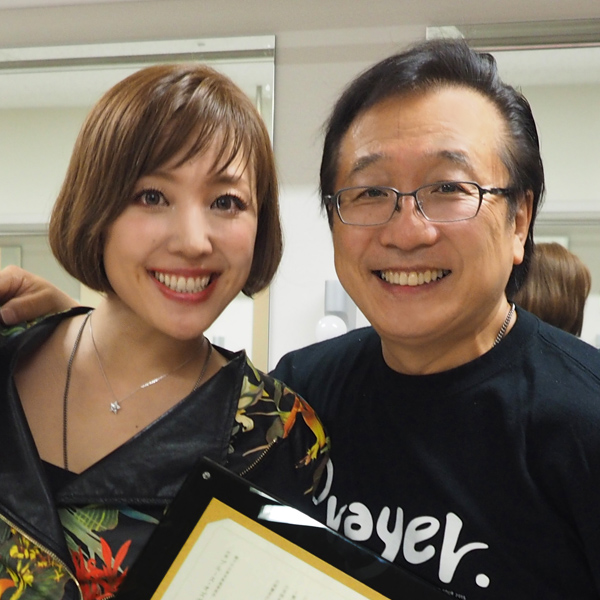
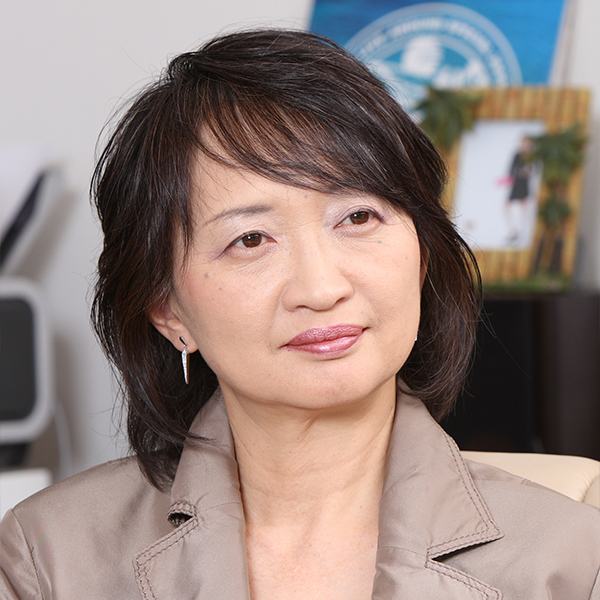
Hosts: Bruce Osborn (photographer), Yoshiko Inoue (Oyako Day Promotion Committee)
Organized by: Oyako Day Promotion Committee
Streaming date and time: Sunday, February 22, 2026, from 1:00 p.m. (live stream)
The guest for the 43rd Online Talk Live is Naoki Sakai.
This article introduces highlights from the video.
(Watch the video here)
Featuring:
Naoki Sakai (Conceptor; CEO of Water Design Inc.; Chairman of Speedy Inc.; and more)
In 1969, while studying at Kyoto City University of Arts, he went to the United States and founded the Tattoo Company in San Francisco. He returned to Japan in 1971 and completed his degree. In 1973 he founded Water Studio. Since then, as a “conceptor,” he has brought many celebrated products into the world, starting with Nissan’s Be-1 (1987) and followed by the Pao, Figaro and Rasheen, and Olympus’s O-Product.
Satoru Seki (Editor, producer)
He has been involved in planning and editing culture magazines such as POPEYE, BRUTUS, and Takarajima. He currently also serves as a part-time lecturer at institutions including Nippon Engineering College and as director of the Stimulus Switch Institute. He is in charge of “Seki Satoru’s Movie Oyako-don” on the official Oyako Day website.
Bruce Osborn (Photographer; originator of Oyako Day)
He began photographing parents and children as a theme in 1982. In 2003, he proposed that the fourth Sunday of July be designated Oyako Day. His social activities through photography, including Oyako Day, were recognized with the Higashikuninomiya Culture Award. As an artist, he continues to share the message “Present to the Future.”
Yoshiko Inoue (Representative of Oyako Day; producer; President and CEO of Ozone Inc.)
As Bruce Osborn’s partner in both work and life, she has produced numerous exhibitions and events.
Introducing Naoki Sakai
Seki: Hello, everyone. It’s February 22, and this is our 43rd online talk. Today we welcome the conceptor of the century, Naoki Sakai.
Sakai: Hello.
Seki: I hear you’ve known Bruce and Yoshiko for a long time.
Bruce: I came to Japan in 1980, and we met early on.
Seki: Everyone has probably seen Mr. Sakai’s work at least once. Let’s take a look at it all at once.
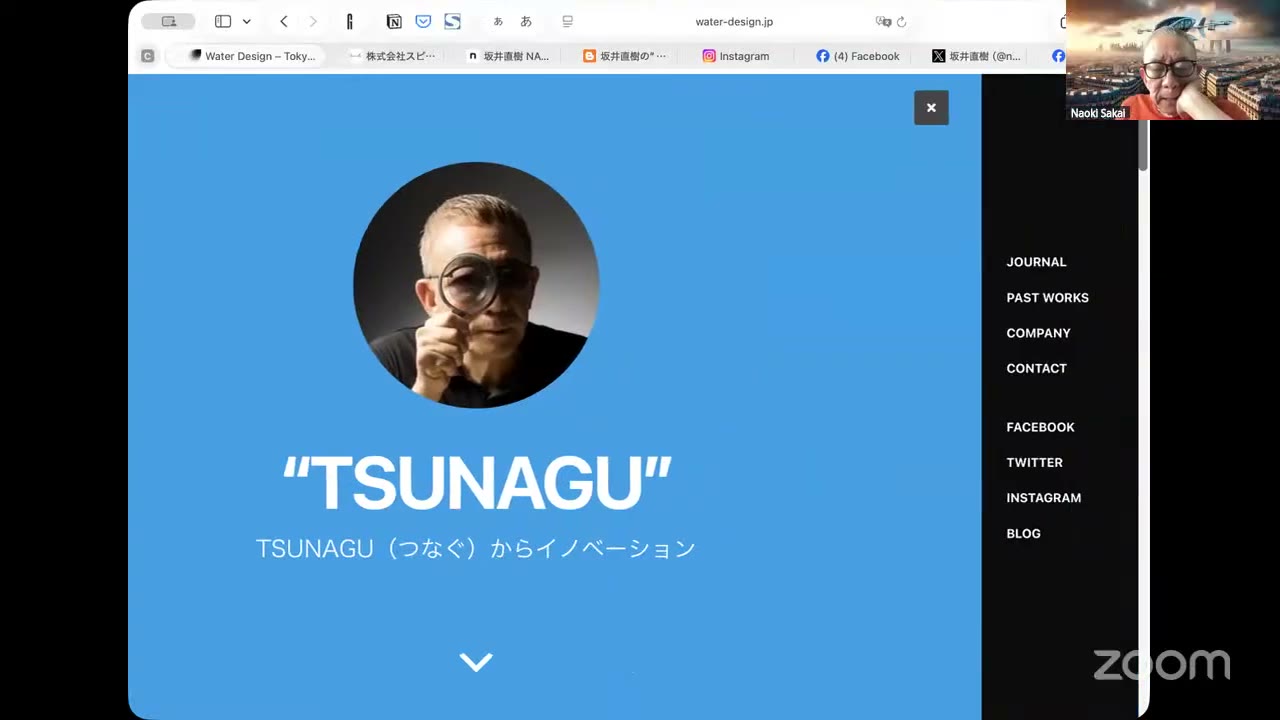
Video 2:52: “Naoki Sakai’s Work”
A String of Hits with Nissan
Sakai: If you live long enough, the products pile up. But what everyone knows is probably the cars.
Seki: That’s the Be-1 on the right.
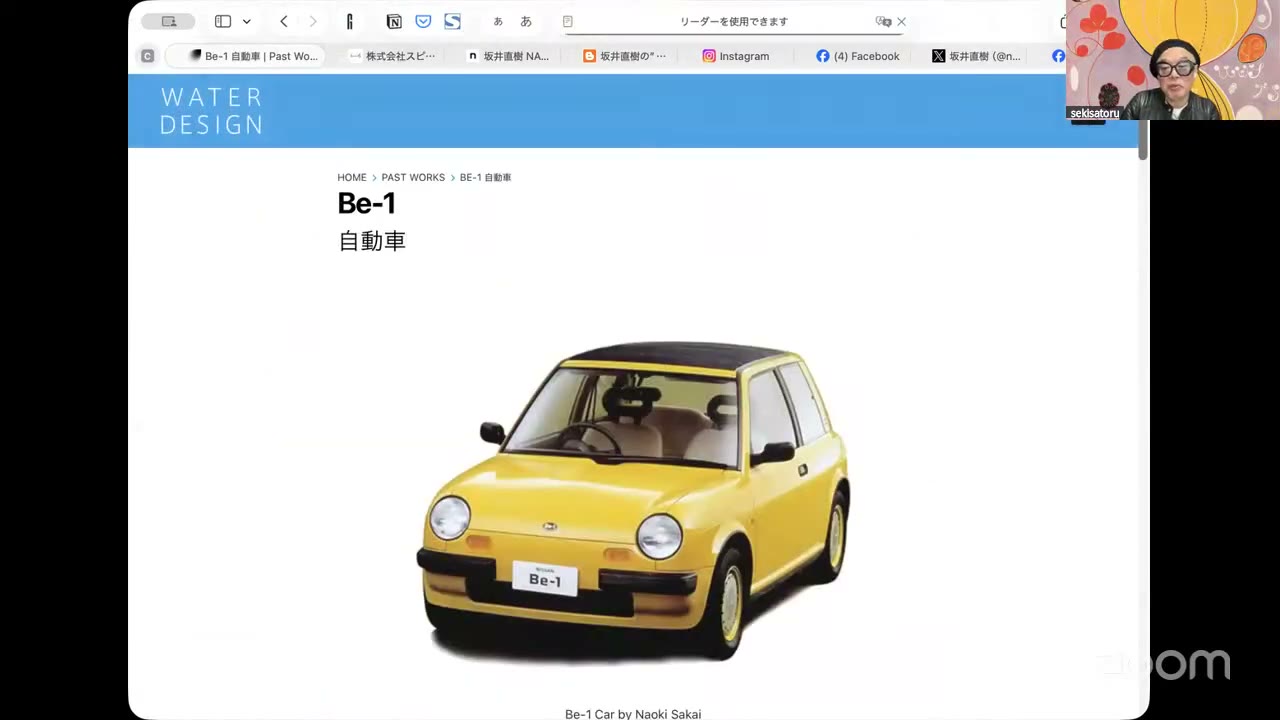
Video 3:12: “The Nissan Be-1”
Sakai: Next is the Pao.
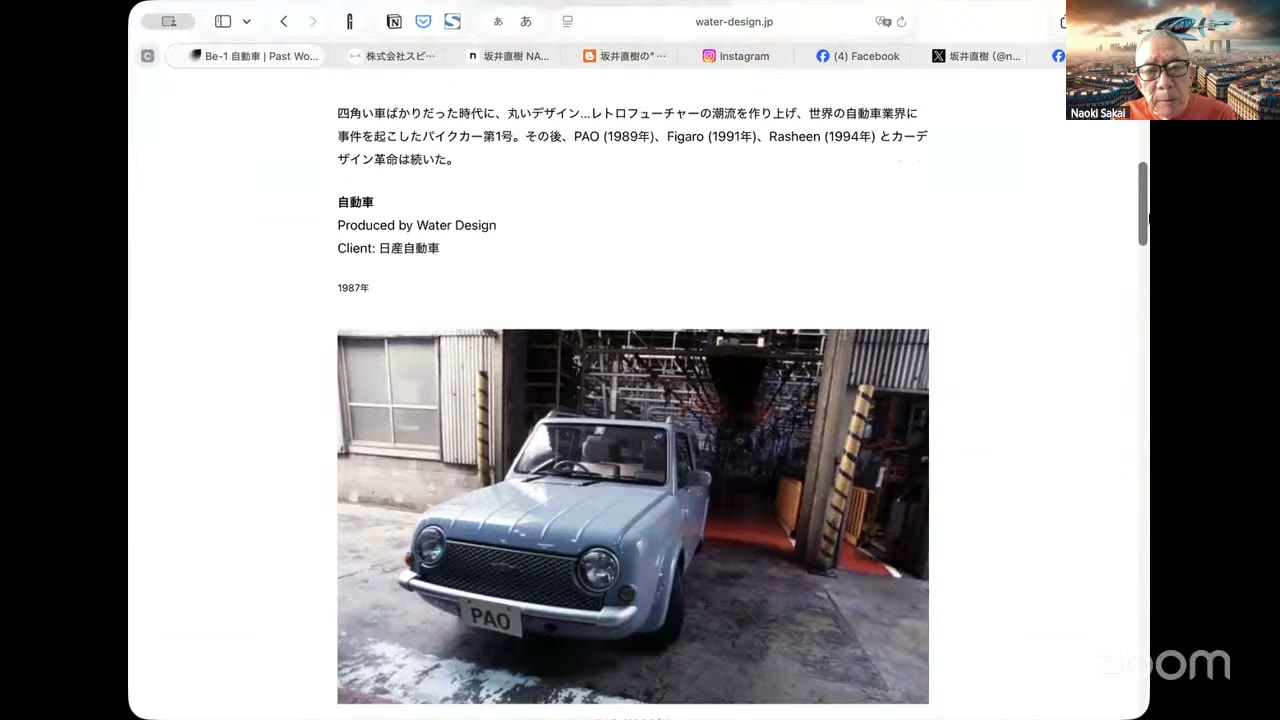
Video 3:18: “The Nissan Pao”
Sakai: And the Figaro.
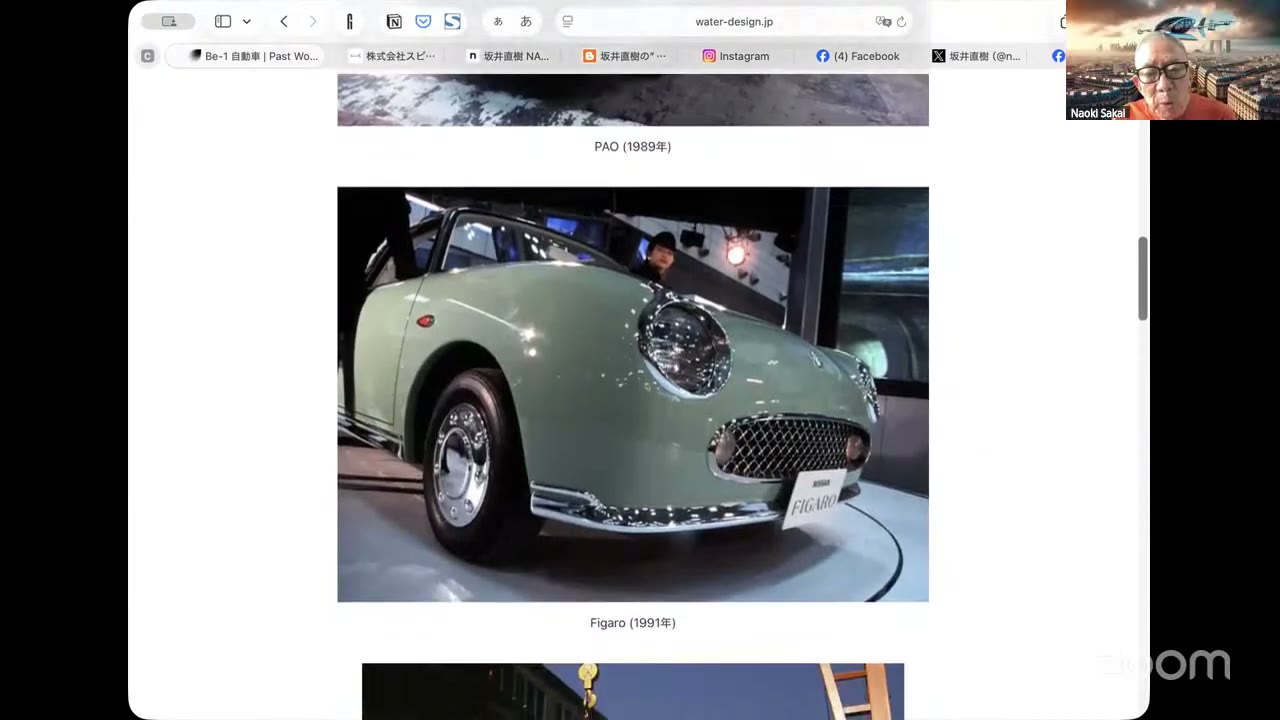
Video 3:22: “The Nissan Figaro”
Sakai: The Rasheen. Making four cars is no easy thing. Mr. Seki, what do you think is the hard part of working with the auto industry?
Seki: There must be plenty of established ways of doing things.
Sakai: Almost 95% of it is groundwork, lining people up. The energy you spend on creativity is about 5%.
Seki: But at the time, going against the grain, a round car in a world of square ones, it must have been hard to push an idea like that through.
Sakai: It was incredibly hard. But I made about five allies inside the company, a vice president among them. Rather than working with Nissan, it feels like I worked with those five people.
Seki: I see.
Sakai: In wartime, every auto industry becomes almost a military industry. It’s very close to something national. So it’s rigid and bureaucratic.
Seki: It’s amazing you got it through.
Sakai: If you call yourself a designer, it doesn’t get through. The design center gets angry.
Seki: I see.
Sakai: So I played dumb and called myself a “conceptor.” Nobody quite knows what that is, right?
Seki: I’ve heard about all your brilliant achievements and successes. Was there a secret to making hits?
Sakai: It’s the same now: I try to make the things I like most. Things I’d want to buy myself.
Olympus’s O-Product Enters the Permanent Collection of SFMOMA
Seki: I love the camera too, Olympus’s O-Product.
Bruce: I had one.
Sakai: It’s true that what reaches people most are the four cars and this camera. These are all small cameras.
Seki: They’re cool.
Sakai: It’s in the permanent collection of SFMOMA (the San Francisco Museum of Modern Art). This one is the Ecru, a camera made of white plastic on the theme of Fabre’s “Souvenirs Entomologiques.”
Seki: Really? And the earlier one? “Brazil”?
Sakai: That’s the aluminum one from before. The director himself owns one.
Seki: Terry Gilliam owns that camera too?
Sakai: He does.
Seki: That’s fun.
Sakai: I made that camera after watching the film, and the fact that it got through to him is my best success story.
Taking On the 1980s Auto Industry: The Idea of a Round Car
Sakai: In the early 1980s there were only square cars. Every car on the road was square. There was a man named Jun Shimizu, a master of groundwork, who later became head of the design center. He didn’t look like a designer at all. But he was great at groundwork and at mahjong.
Seki: I see, it’s politics. In a way, mahjong is groundwork too.
Sakai: It wasn’t just Japan; Ford too, it’s the same all over the world. Getting through to the top is the first essential condition. We got hold of a vice president, Mr. Sonobe (Hitoshi Sonobe, executive director). And Shinichiro Sakurai, the father of the Skyline GT-R. So all four cars were made by four or five people. Look, this is how square they were. Put simply, I just turned the square into a circle. As a result, cars all over the world became round. Design has a surprising power to change the world.
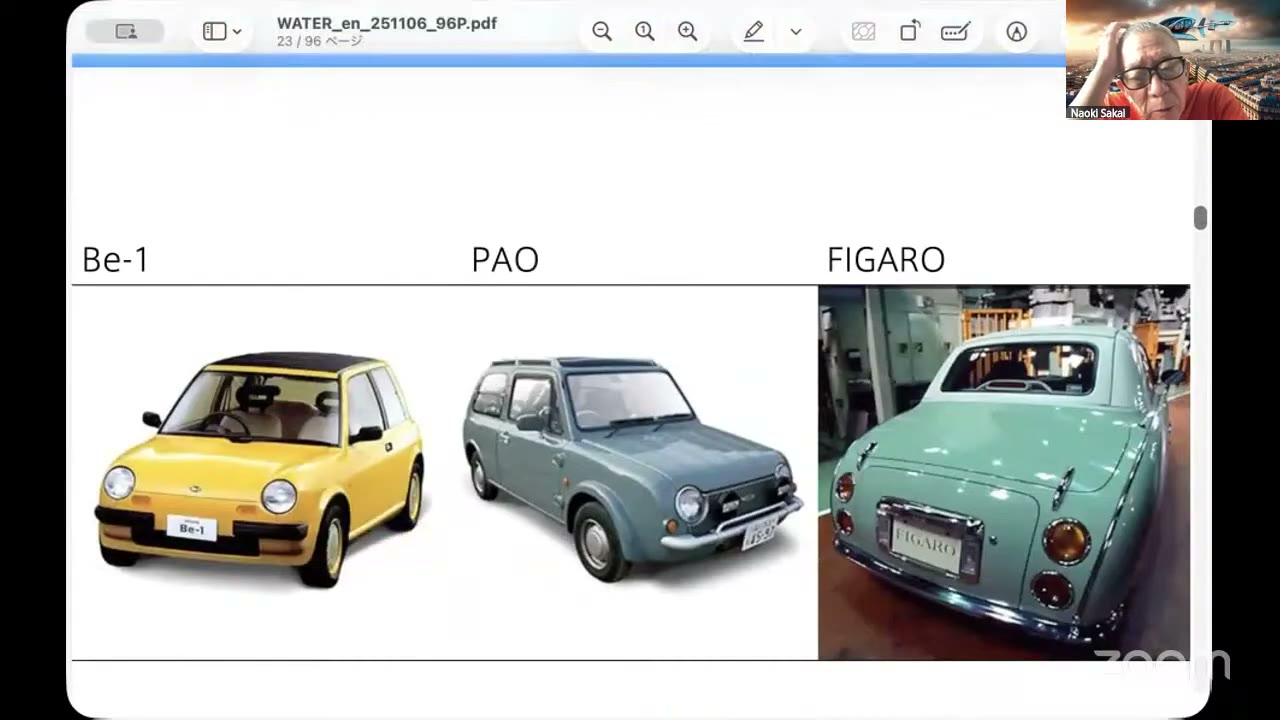
Video 10:00: “From Square to Round”
Sakai: Underneath, it’s a March. It’s only the package. I’d been in the fashion world for about twenty years. When Nissan approached me at forty, I thought fashion and cars were the same. It’s all packaging anyway.
Seki: The cars you conceived back then must be very expensive to get hold of now.
Sakai: Incredibly expensive. The Figaro especially is the most popular. The reason is simple: it has a turbo. It actually makes it up hills. The Be-1 and the Pao don’t. I guarantee it.
The Figaro’s Worldwide Popularity
Sakai: There are still 5,000 Figaros in Britain. Five thousand owners have formed a Figaro fan club. A Figaro now costs about eight million yen.
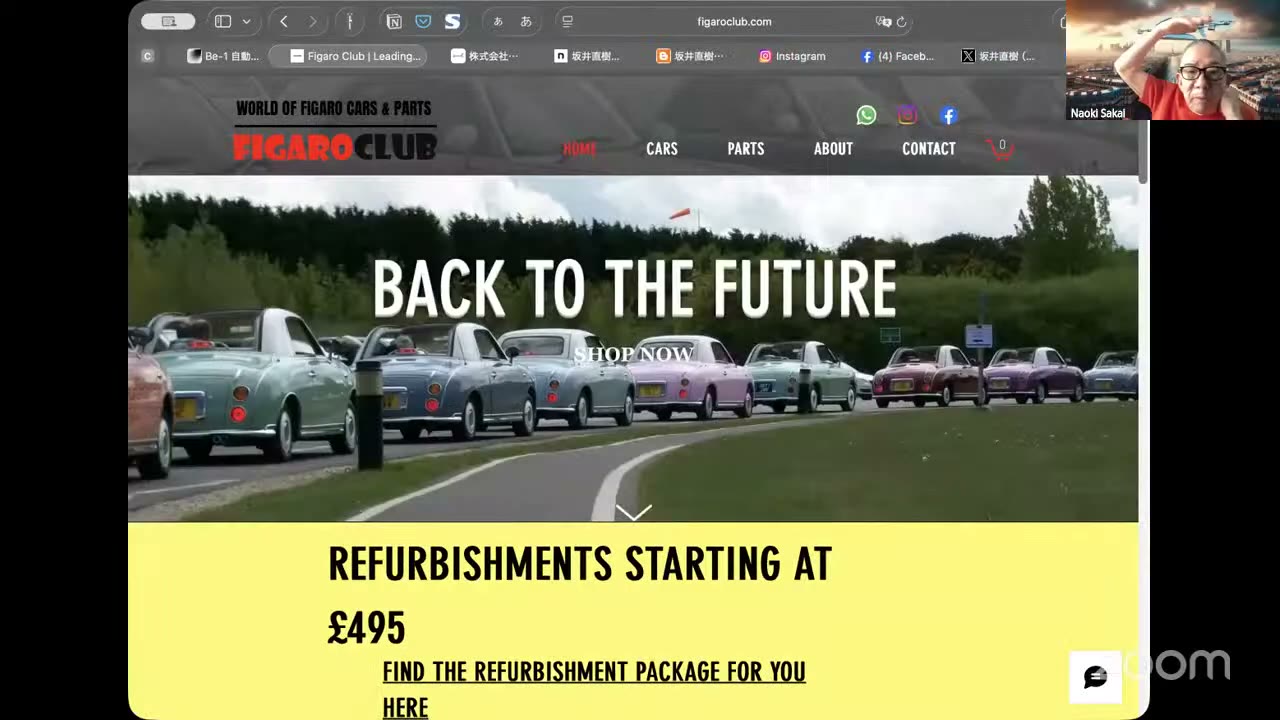
Video 12:27: “The Figaro Fan Club in Britain”
Immersed in Music in San Francisco
Seki: Your story starts in Kyoto, and from there you went to San Francisco.
Bruce: San Francisco then was right in the hippie era. Were you there about two years?
Sakai: About two and a half years.
Yoshiko: What made you head for San Francisco?
Sakai: There were lots of hippies in Kyoto, always traveling the world. Long-haired hippies were living all over the mountains around Kyoto. As I talked with them, I wanted to see San Francisco, the home of the hippies. There were only two things I was interested in as a student: fashion and music.
Bruce: Everyone used to gather in Golden Gate Park.
Sakai: That’s right. But where I went was mostly Haight-Ashbury. That’s where the most hippies were.
Back then I meant to do music. But I could sew on a machine, so I could design and manufacture, and I could do silkscreen printing too. So I went to San Francisco and set up the Tattoo Company. There was no inkjet yet, so it was a space with silkscreen printing and sewing machines. Back then that was enough to run a business.
Success with a T-Shirt Business in San Francisco
Seki: Did the T-shirts sell?
Sakai: They sold like crazy. At nineteen I was richer than I’ve ever been since. Ten percent cost, ninety percent profit.
Seki: How did you sell them?
Sakai: If you took them to a wholesale center, there was a system that distributed them all across the country. So I could do it without much legwork.
Meant for Kyoto University, He Went to Art School Instead
Sakai: I got into Kyoto City University of Arts. The competition was 35 applicants for every place.
Seki: I hear your exam scores were in the top bracket. That doesn’t fit with being a hippie.
Sakai: From nineteen I started to break down. Or rather, it’s more accurate to say I wanted to break things.
Seki: And that’s where your punk spirit comes out.
Sakai: Until then my uncle decided my path. It started with oil-painting classes at five, and when I got to junior high I was going to aim for Kyoto University, but my uncle said, “You should go to art school.” He was my mentor.
A “Living Funeral” at Zojoji Temple to Launch His New Book, “Walking the Valleys”
Seki: You’re publishing an autobiography, “Walking the Valleys”?
Sakai: That’s right. The subtitle is “Punk Life.”
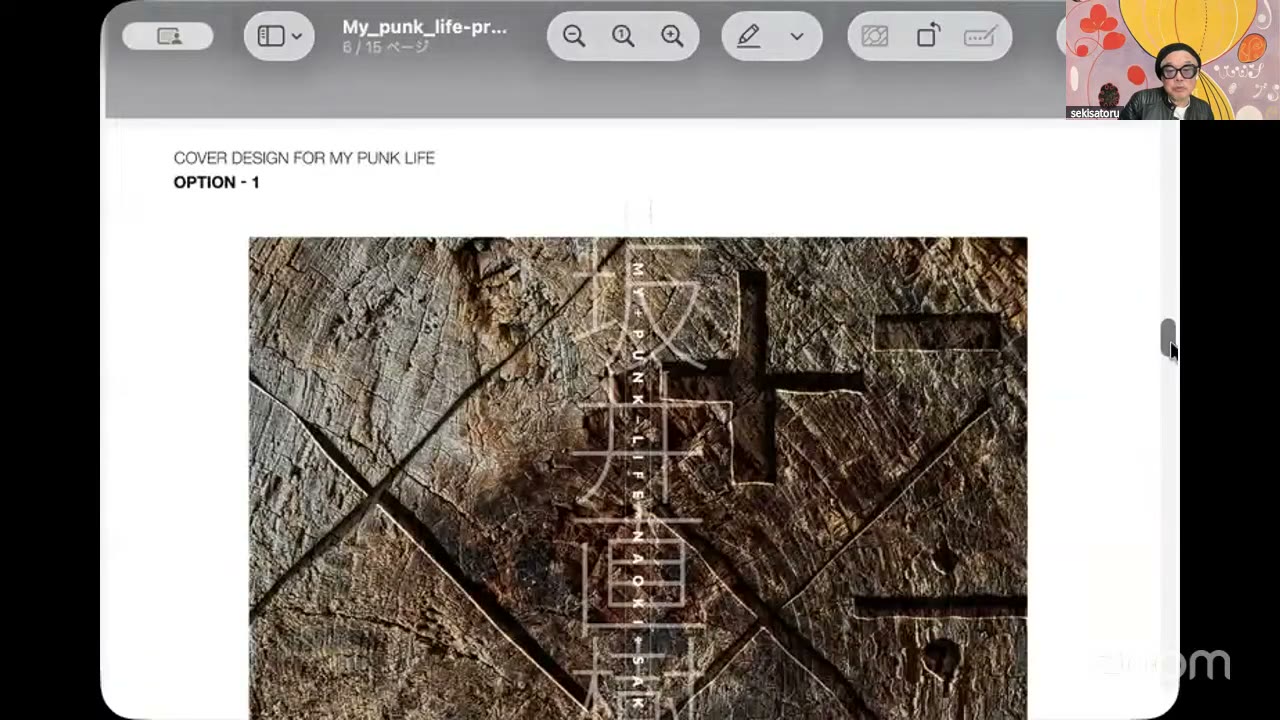
Video 22:55: “The Autobiography “Walking the Valleys””
Seki: It looks substantial.
Sakai: My friend Alan Chan designed it.
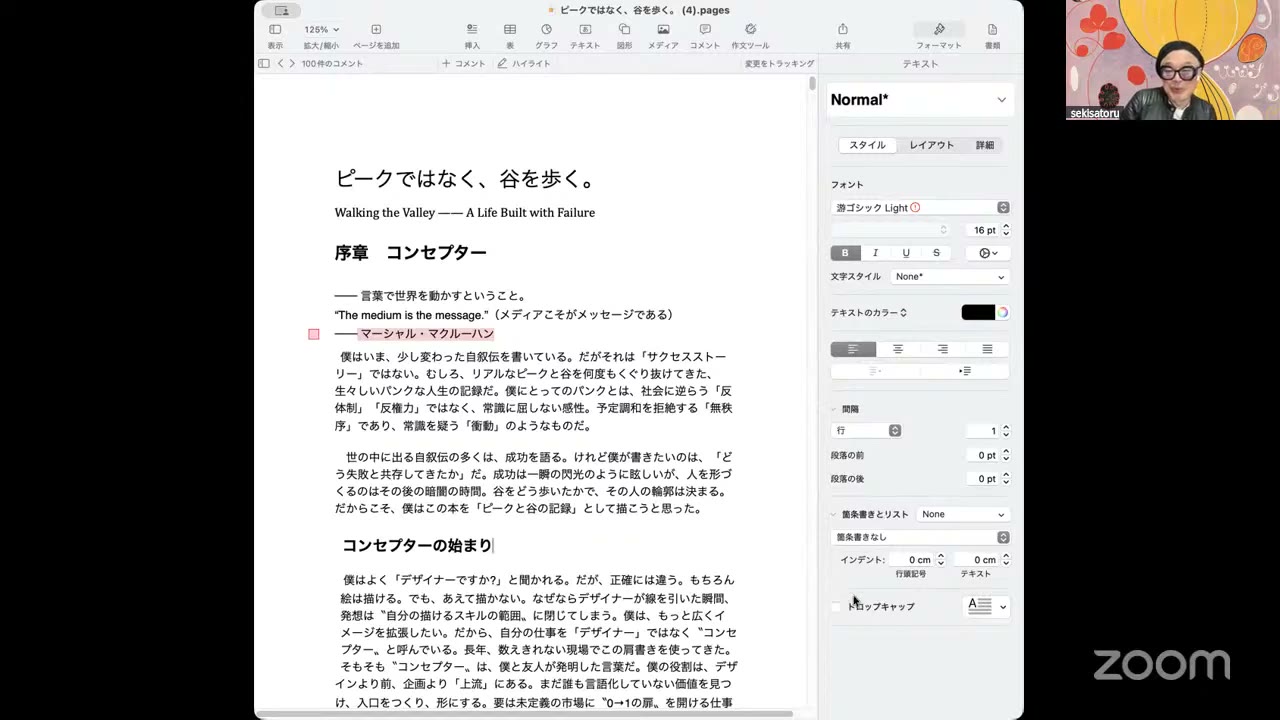
Video 24:55: “Designed by Alan Chan”
Seki: “Walking the valleys, not the peaks”: the title sounds full of modesty. What’s the idea behind it?
Sakai: Compared with other people, I think I’ve had a lot of peaks. But the media only follow capitalism’s success stories, like “this sold a million” or “that was a power hit.” They have no interest in what I’m doing in between.
Seki: You shared lots of insight on your blog, “Reading Deeply into Design,” and your fans were following it. Now you write columns on Facebook.
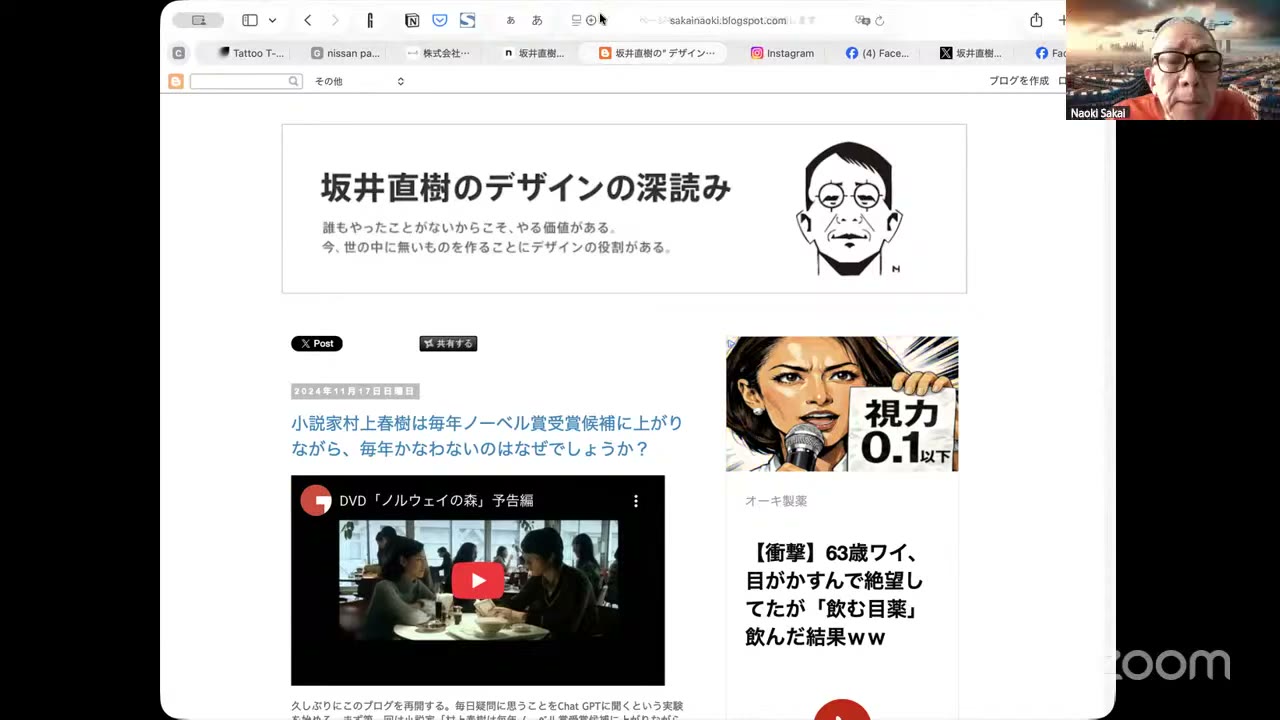
Video 26:05: “Diary-Style Essays on Facebook”
Sakai: I call them diary-style essays, but a diary and an essay are actually completely different. In a diary you write about yourself. An essay is about other people. This is the announcement for the book event at Zojoji Temple.
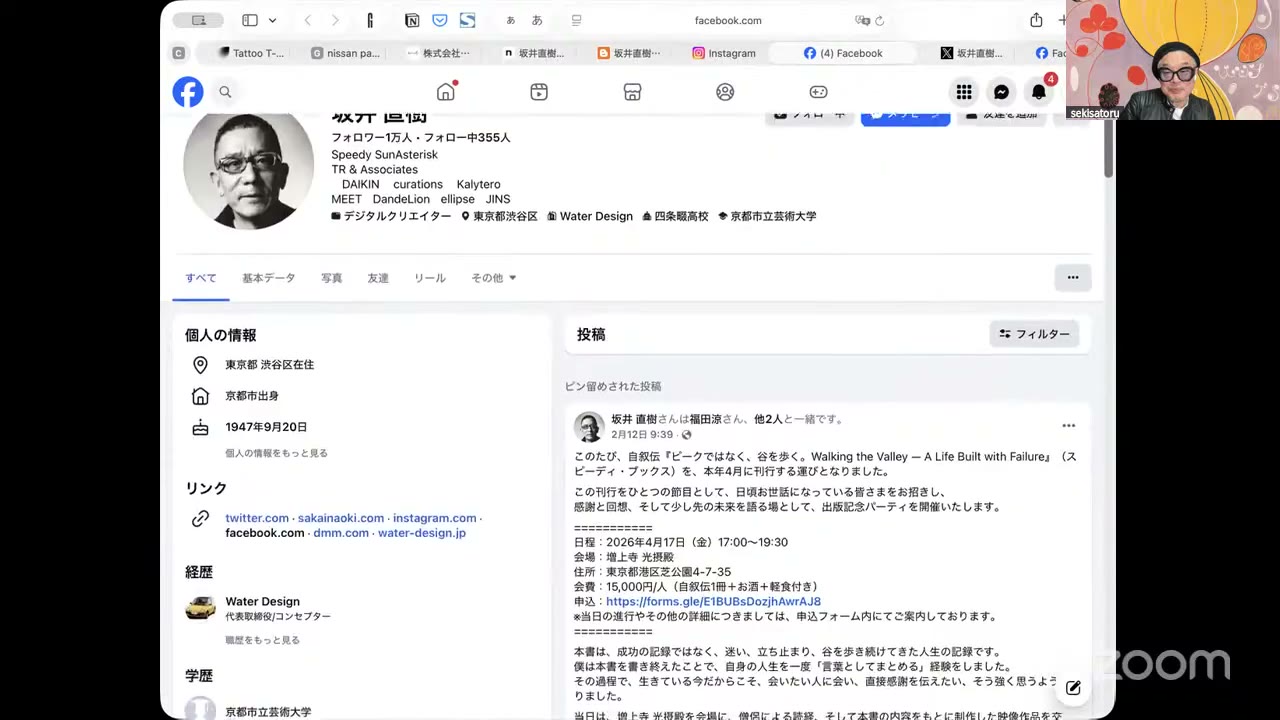
Video 26:28: “The Book Event at Zojoji Temple”
Seki: I hear it has the meaning of a living funeral. Could you tell us about that?
Sakai: I plan to have my real funeral at a temple too. But when you think about it, you can’t meet people unless you’re alive. So I’m inviting about 300 people I’ve known, for a grand event at the temple. There will be sutra chanting by monks too. Right now I’m making the music to play there myself.
Seki: Using AI.
Sakai: I’ve put out about twenty songs on YouTube.
We Are Pulling the Future Toward Us
Seki: How do you see AI, Mr. Sakai?
Sakai: This will change the times. I think AI will have a bigger impact than the internet revolution of 1995. In terms of what we, or the experts, can see, AI hasn’t even done one hundredth of what it will. Everyone complains about the quality at that one-hundredth level. But the internet was like that at first too. Even the idea of a web browser came after the internet was already running.
Seki: It’s changed completely in thirty years.
Sakai: With an even bigger impact than that. Take Antoni Gaudí’s Sagrada Família. They said it would take another hundred years to complete, but it got done in ten. And what made that possible is digital. They turned every complex shape into data, used 3D cameras and every kind of digital technology to build something that old-fashioned.
The Sagrada Família looks like the very opposite of digital, doesn’t it? But a hundred years of work became possible in ten. That’s it. In other words, I think the future will arrive earlier than we predict. Until now, the future was something that got delayed. If you said “it’ll be possible in fifty years,” it took a hundred. What’s amazing about AI is that it brings that closer. So we are pulling the future toward us now.
A Basic-Income Society Created by AI
Seki: Is that where our happiness lies?
Sakai: There’s a possibility of a society where you don’t have to work. Put simply, say a super-rich person like Elon Musk gets paid 150 trillion yen. The government says “hand over 70% of that,” takes it, and distributes it. If that happens, people without skills that contribute to industry actually get money. Not earning money, but receiving it. That’s what they call basic income.
So it’s a recipe for AI to create BI, and BI is basic income. It’s BI that AI draws toward us. Even without working, everyone can paint, sing, and do what they love.
Walking the Valleys Is Fun
Seki: About “Walking the Valleys” earlier: why did you deliberately pick the valleys?
Sakai: A boom hits, and then in the backlash a different situation arrives, many times over. Success is a kind of fireworks. It’s almost impossible to keep succeeding forever. But that doesn’t mean the valley is unhappy. In the valley you keep thinking about how to run back up to the summit.
Seki: I see.
Sakai: For example, I write a diary-style essay on Facebook every day. And I hold an event at Zojoji Temple. I take action. If you keep saying that you exist, money comes in one way or another. The valley is where you set things up.
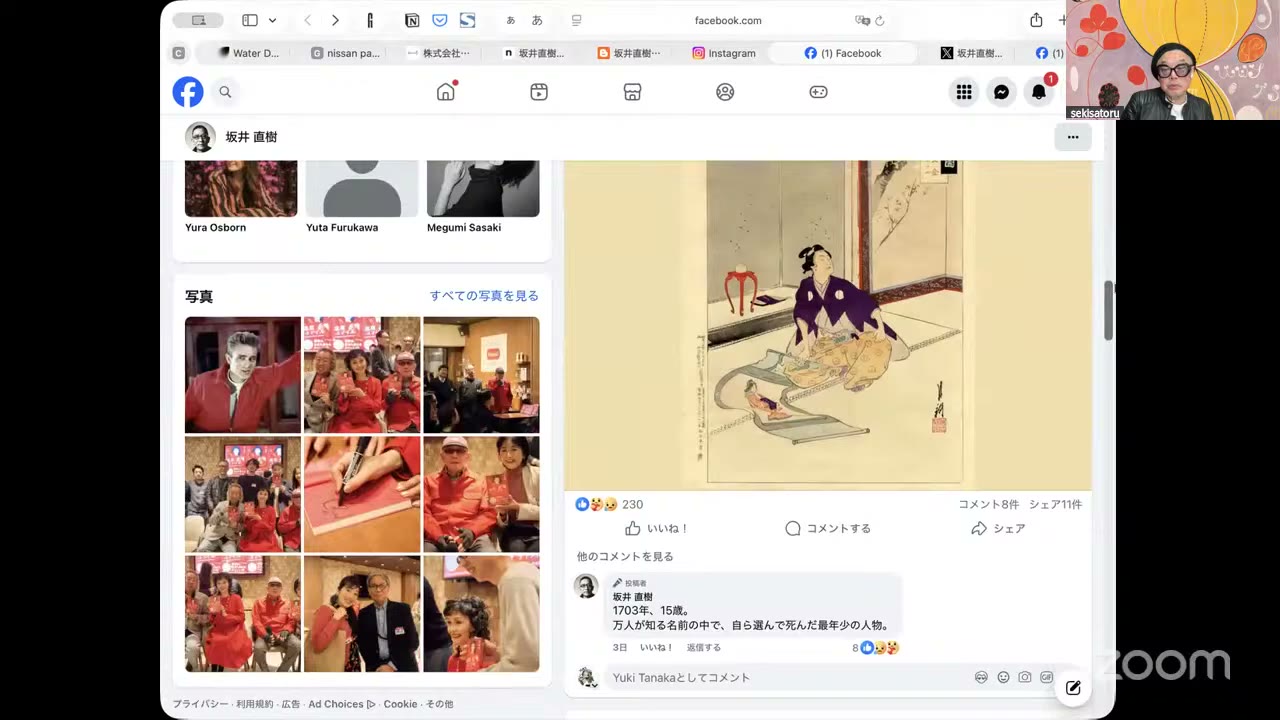
Video 38:08: “The Facebook Essays”
Seki: The Facebook essays you’re writing now are very interesting.
Sakai: I’ve started on note now too. This is my page on note.
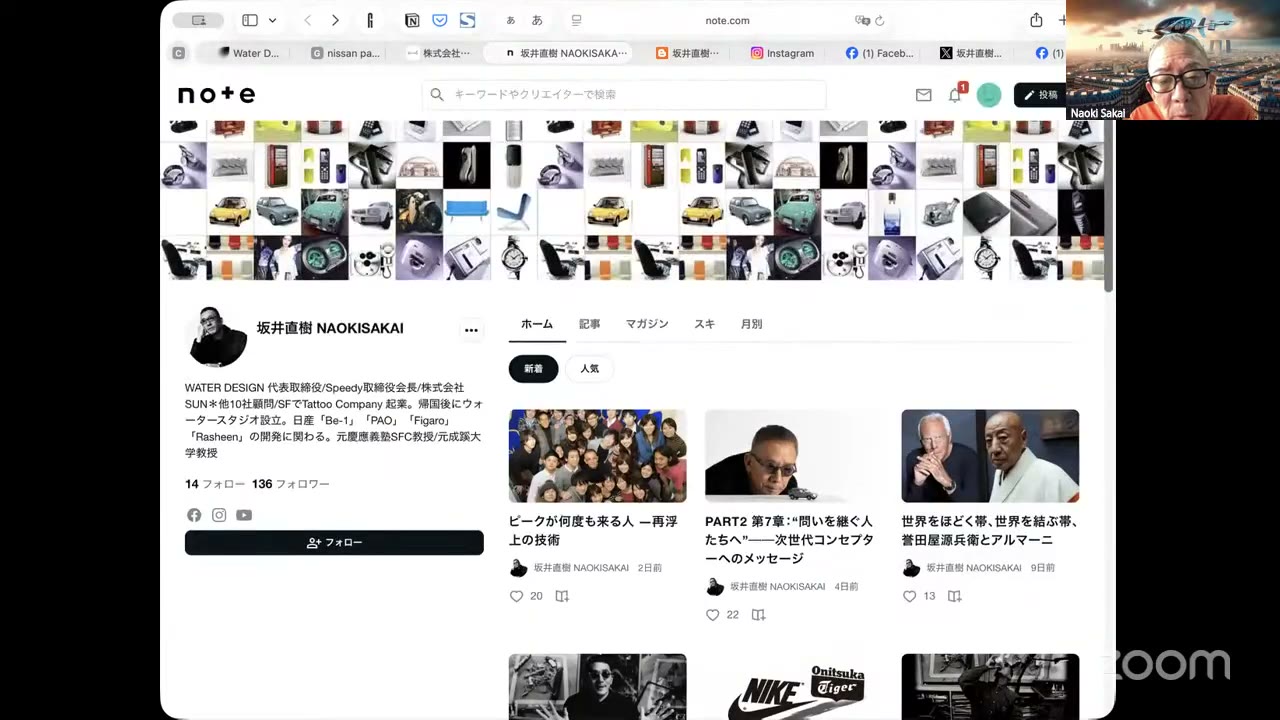
Video 39:01: ““The Art of Resurfacing” on note”
It says “the art of resurfacing.” I wrote about my peaks, that became the original, and people said “an autobiography would be fun,” so I came to write it. If you take some action, society always responds. However deep the valley, I don’t think it’s a problem.
Seki: Those are wonderful words.
Sakai: People don’t only enjoy the good times. Hard times are fun too, in their way.
Bruce’s Exhibition Announcement
Seki: Yoshiko, do you have any announcements?
Yoshiko: From March 10 to 22 there’s a group exhibition in Shiosai Park in Hayama, where we live. If you have time, please do come.
Naoki Sakai’s “Present to the Future”

Video 44:59: “From AI to BI”
Seki: Mr. Sakai, may we ask for your Present to the Future?
Sakai: How about this?
Seki: From AI to BI.
Sakai: As for what kind of society AI will create: it will create a basic-income society. So everyone, don’t worry. AI and BI, that’s interesting, isn’t it? Everyone is far too pessimistic about the future. The future will be fine.
Seki: Wonderful. Thank you very much, Mr. Sakai. I look forward to seeing you again.
Sakai: Thank you very much.